Most visitors focus on Rome, Florence, Venice. It’s a wonderful triangle. But it covers maybe 5% of what this country can offer you. Here is my guide to the true adventure of all the magnificent things to do in Italy!
I’ve travelled Italy from the top to the bottom, including the pearls of the Mediterranean – Sicily and Sardinia, and one thing I can tell you is the intense regional diversity, which comes from a long history of political division, natural barriers, and distinct cultural influences.
Adventurous things to do in Italy.
ITALY – a country of rich diversity, where every region has its own identity, flavour and dialect. I’ve always found Italy to be a place of unparalleled charm and endless intrigue. It will be difficult to explore every corner of this unique country in one trip, so you need to decide which part will be your travel destination and I’ll guide you through best things to do in Italy:
- the north mountain and lake scenery (Dolomites, Garda lake),
- Tuskany, Florence, Naples, Rome – the heart of Italy,
- The bottom of the shoe peninsula – Calabria and Pulia region,
- epic Sicily,
- wild Sardinia.
Did you know: 90% of the population living in the country was born in Italy!
When to go and how to get around?
Best time to visit Italy: May–June and September–October. You get warm days, open mountain huts and beaches, and far fewer crowds than in July and August.
For the Dolomites, go from late June to mid-September when the lifts and hiking trails run.
For the south and Sicily, spring and autumn beat the 40°C summer heat.
Getting around: High-speed trains link the big cities fast (Rome–Florence takes about 1.5 hours). For villages, mountains and rural Tuscany, Puglia or Sicily, rent a car. Ferries connect the islands.
Do you need to hire a car in Italy? Absolutely yes! If you want to properly explore the regions, you need a car to drive and see the real scenery of this amazing country.
Whenever I travel, I book my car on DiscoverCars.com; it’s the best comparison platform with transparent pricing, free cancellation, and 24/7 multilingual support. I usually go for a top-rated car rental – never had an issue in any of the tens of European countries. And I always book full coverage.
Travel tips:
ATM’s: Easily accessible, but the country is cash-friendly. In small towns or islands you better have cash!
LANGUAGE: Italian; people speak English in big cities, but in non-touristic areas you will struggle.
PUBLIC TRANSPORT: quite well- developed, so you will have no problem travelling between your destinations by bus, train, tube (Rome). This does not apply to Sicily or Sardinia – if you want to explore the islands you will need to rent a car – but these were one of my best trips and best places I’ve seen in Italy.
SAFETY: Italy is overall safe. I would be more careful in Naples and Rome; some parts of those cities have negative reputation.
Most popular places in Italy.
- Tuscany and the Amalfi Coast (extremely popular tourist regions in Italy) provide breathtaking natural beauty, charming towns, and exceptional food and wine experiences. Read my post on the alternative options on the Tuscan coastline, equally attractive but half the price: Monte Argentario – the rocky Tuscan peninsula.
- Positano: From Nocelle, about 1,700 steps take you down to Positano. The Amalfi Coast is best seen from above. The Sentiero degli Dei runs from Bomerano (Agerola) to Nocelle above Positano, about 7–8 km, with the coast dropping sheer to the sea beside you.
- Lake Como offers tranquillity, stunning panoramas, and outdoor adventures. If you prefer similar but quieter scenery, go to Lake Orta. Lake Como gets the celebrities, and Lake Orta gets the peace. The village of Orta San Giulio has cobbled lanes and a lakefront square, and a small boat takes you to Isola San Giulio.
- Dolomites – if you are planning a hike, go for the Seceda ridge above Val Gardena, reached by cable car.
- Puglia is at the top of my list of things to do in Italy, with fascinating highlights to be found nowhere else.
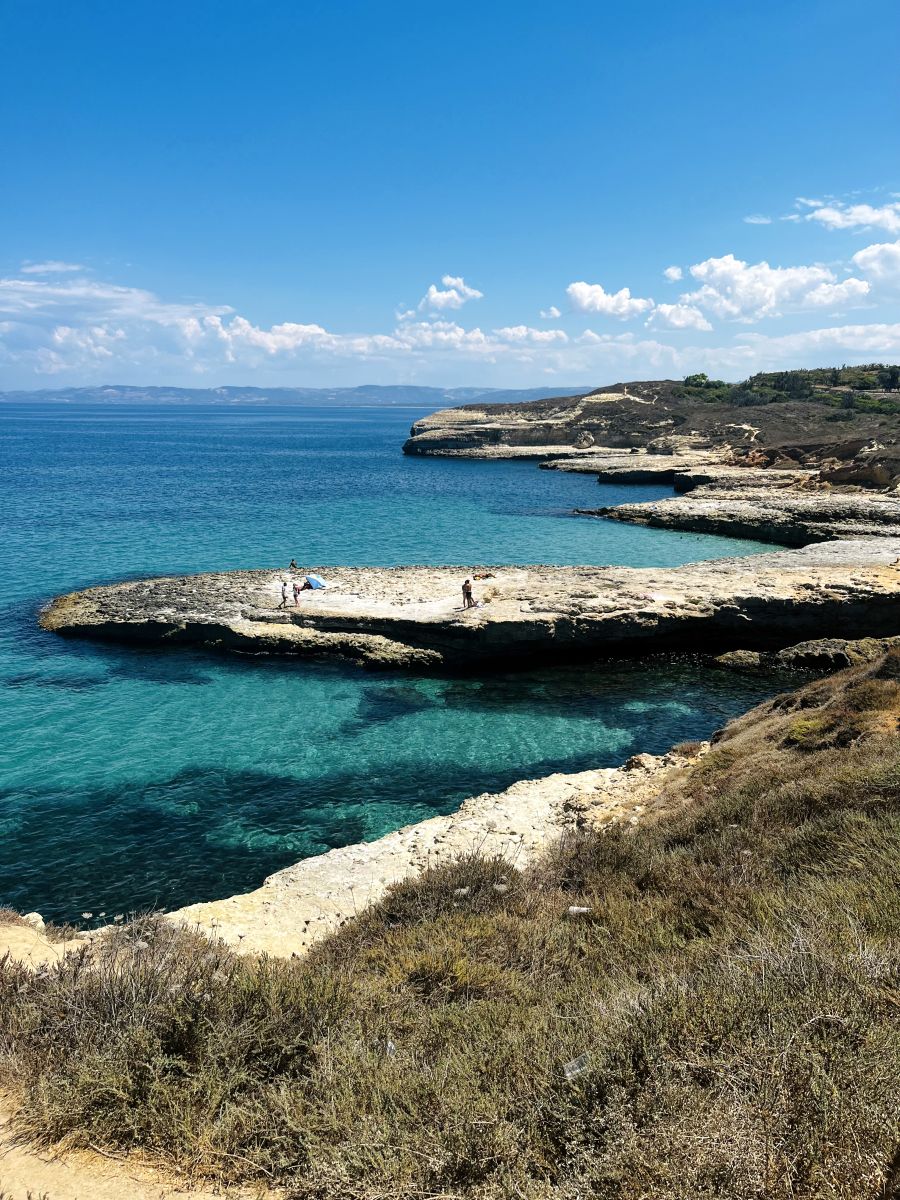
- Sicily and Sardinia are two of the most stunning islands I’ve seen around the world – you should make a separate trip to discover both by car.

Rome - Italy's Ancient Heart.
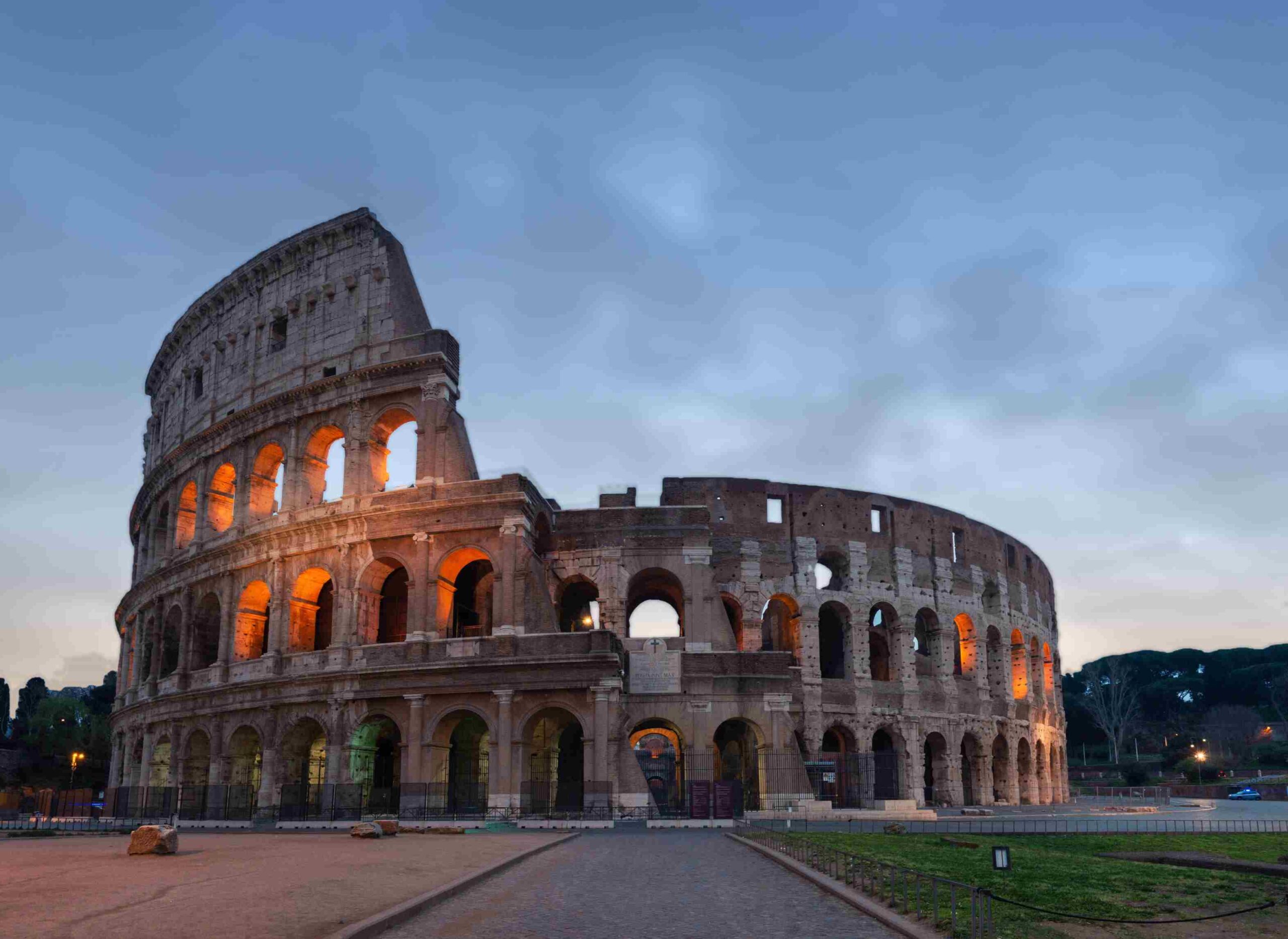
You just have to see it once; apart from the crowds, the city is fascinating and it’s home to some of the most amazing things to do in Italy. Often referred to as the line between southern and northern Italy, the ancient city of Rome is a treasure of architecture.
Only in summer 2025 did Rome host 38 million visitors!
Here are my best travel tips on the best things to do in Rome.
Don’t forget to toss a coin in the famous Trevi Fountain!
Your tour of ancient Rome wouldn’t be complete without stepping foot into Vatican City. Beyond the Vatican museums, the imposing St. Peter’s Basilica dominates the skyline, its interiors housing priceless Renaissance art. But it’s Michelangelo’s frescoed masterpiece adorning the Sistine Chapel that never fails to leave me truly spellbound.
Now, a 2-euro entry fee applies/however you can watch the fountain for free from the top.

Under the Tuscan Sun.
Tuscany brings an opportunity to sample some of Italy’s finest wines, learn about their production process, and perhaps even adopt a vine. Tuscany is also the perfect place to go on a guided food tour.
Tuscany isn’t just about wine and food, though. It’s also about all the villages and small towns that are brimming with history and charm: the medieval towers of San Gimignano, Pienza, or the thermal baths of Saturnia, each offering a unique slice of Italian life.
On my last trip, I stayed in Monte Argentario– a hilly, magnificent island in the Tyrrhenian Sea in the Grosseto Province. That tiny city-port will amaze you!

The most unforgettable things to do in Italy are the islands – Sicily and Sardinia- top-rated travel destinations but what’s important is that, if well planned, they can be budget-friendly! Jump to my posts for a detailed Italy travel guide.
Sicily and Sardinia: Italy's wildest islands.
I rented a car and took 14 days to drive around Sicily. This indescribable island hides so many incredible things to do in Italy that it requires a separate post – but here are some of the highlights.
Palermo is Sicily’s capital city, is fascinating and scary at the same time.
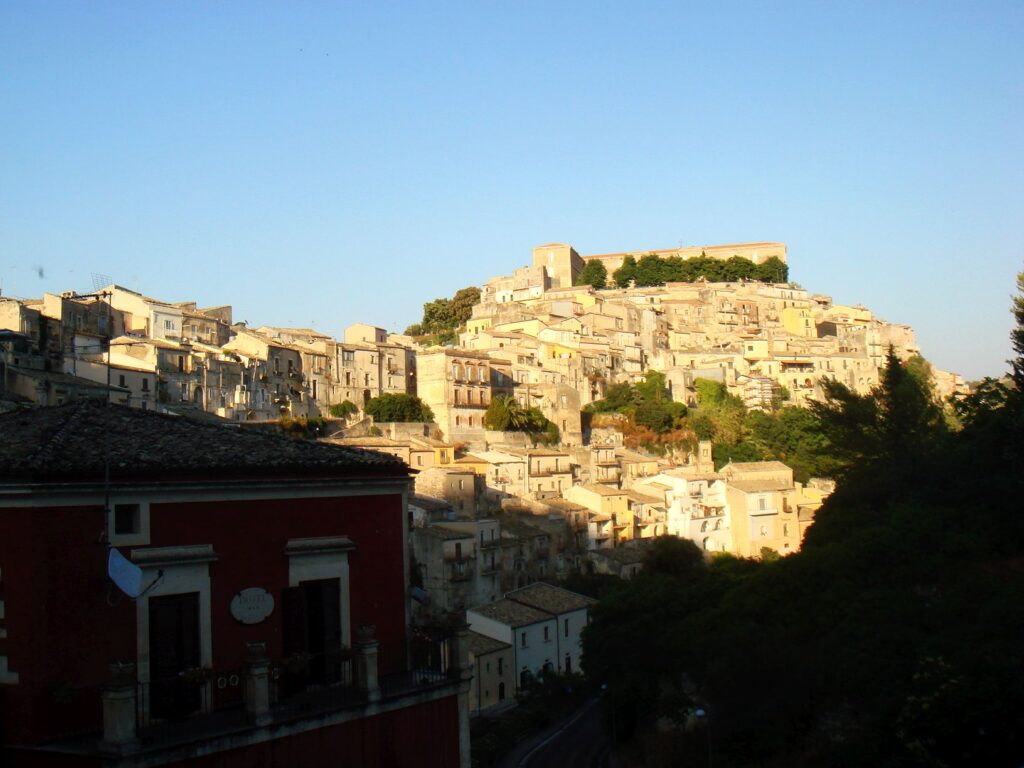
My heart stole Modica and Ragusa in the south; the baroque towns were rebuilt after a 1693 earthquake and are UNESCO-listed. Try the grainy, cold-worked chocolate in Modica.
Ortigia, the island old town of Syracuse, is all honey-coloured stone, a sunny cathedral square built over a Greek temple, and a morning market loaded with swordfish and capers.
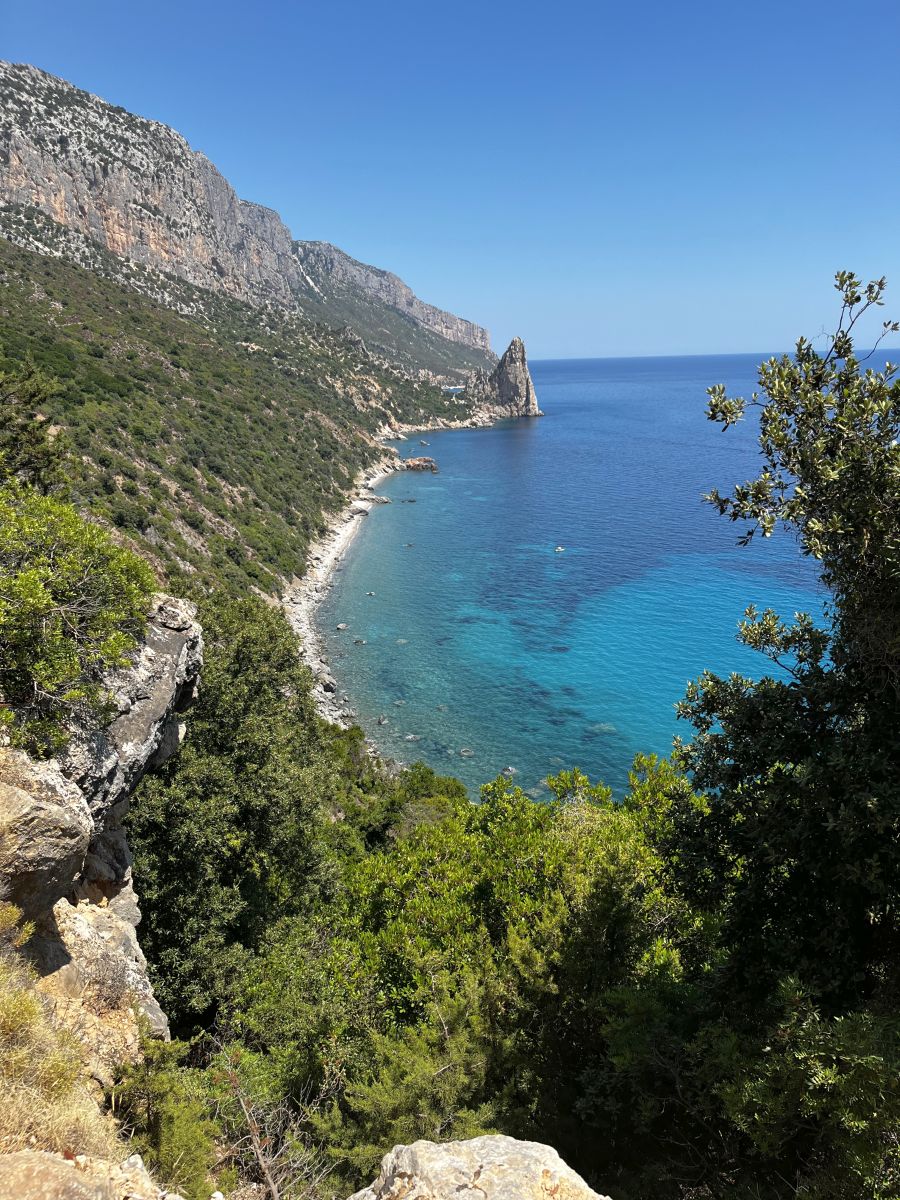
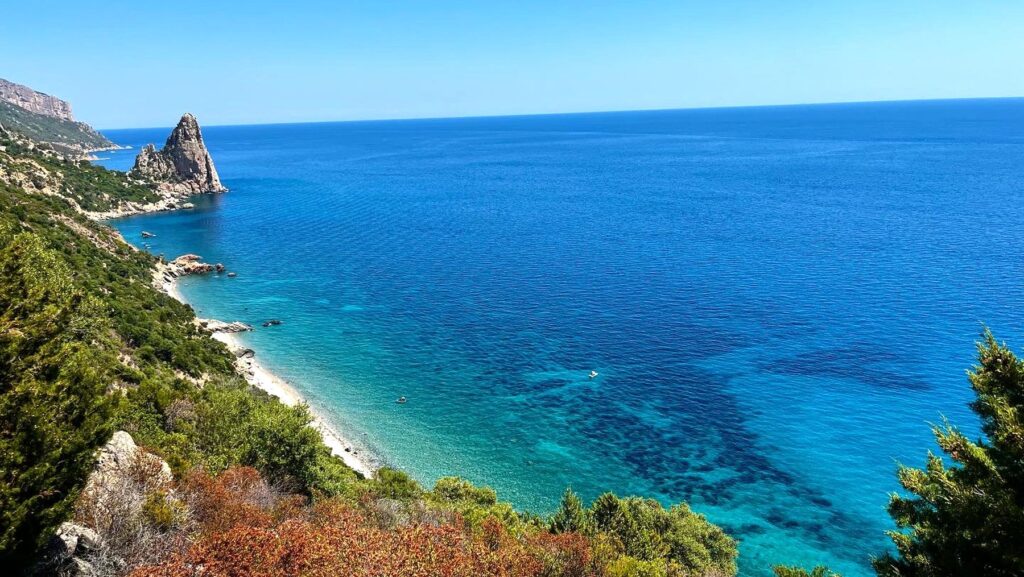
Gola di Gorropu is one of the deepest canyons in Europe, with walls rising hundreds of metres. Along with Cala Goloritzé both are perfect if you like your beaches with a hike attached.
Sardinia’s east coast holds some of the most beautiful beaches in the Mediterranean. Cala Goloritzé is a cove of white pebbles and turquoise water under a limestone spire.
It’s reached on foot by a trail of about an hour each way, or by boat drop-off nearby, and daily visitor numbers are limited, so book in advance.
Venice Unmasked - Discovering the City of Canals.
Venice — a city suspended on water, where streets are replaced by canals and cars by gondolas, is an enchanting destination like no other.
The first thing that strikes many people about Venice is its quietness. With no motorised traffic to disturb the peace in the city centre, all you can hear there is the gentle lapping of water against ancient brickwork and the distant serenade of a gondolier.
Taking a boat tour and floating down Venice’s Grand Canal is a one-of-a-kind experience that I recommend with all my heart!
When in Venice, it’s also worth visiting the Piazza San Marco (Saint Mark’s Square), often described as “the drawing room of Europe.” The square buzzes with life, framed by architecturally stunning buildings that bear witness to Venice’s opulent past.
- As night falls, Venice takes on an even more magical guise. Top-ranked and booked Venice tours:
- Grand Canal by Gondola with Live Commentary
- Gondola Ride & Unusual Venice Walking Tour
The Beauty of the Amalfi Coast.
The Amalfi Coast is a genuine feast for the senses .. and an unspoken nightmare. The crowds are indescribable. The coastal road can be so heavy in traffic that it can take 2 hours to drive 15 kilometres.
The first stop I recommend is Positano, arguably the most photogenic town on the coast.
But Amalfi is not just about charming hill towns; the Amalfi Coast also boasts some incredible nature trails. If you’re a hiker like me, trek along “The Path of Gods,” for breathtaking panoramic views of the entire coast.

TRY LIMONCELLO – a traditional Italian liqueur made from lemon zest. It has a distinct, vibrant citrus flavour that is both tangy and sweet. The taste is refreshing and perfect for those who enjoy citrus-based drinks.
Limoncello is a versatile beverage that can be enjoyed in various ways. Some people prefer to drink it straight, chilled or on the rocks, to savor its original taste. It can also be mixed into cocktails like lemon martinis or as an ingredient in mixed drinks, adding a bright and zesty twist.
Next, you should head to Ravello, one of Amalfi’s beautiful towns, perched high above the sea.
The highlight here is Villa Rufolo, with its stunning gardens offering panoramic views that seem straight out of a postcard.
Pisa: Beyond the Leaning Tower.
An Italian vacation wouldn’t be complete without visiting one of the country’s most famous attractions — the Leaning Tower of Pisa.

Lake Como: Italy’s Paradise.
Lake Como – known as Italy’s most glamorous lake, a place where time seems to slow down.
Bellagio should be your first stop, often dubbed as the “Pearl of Lake Como,” Wandering along chic boutiques and alfresco cafes, you’ll be lured by the panoramic view from Punta Spartivento, where Como splits into two branches, leaves me breathless.
If you’re a hiking lover, I recommend leaving Lombardy and Como for Sardinia, which offers a true abundance of supreme hiking trails.

Italian food!
Important notice – in many parts of Italy, restaurants close during the day to reopen at 6-7 pm. That leaves travellers fasting ;))) However, in most supermarkets there is a small deli where you can buy pizzas, focaccias, mozzarella sandwiches, olives, etc.
Top dishes you must try in Italy:
- tagliatelle al ragù — fresh pasta ribbons tossed in a rich meat sauce that is a far cry from what most know as “spaghetti bolognese.”
- Neapolitan pizza – with mozzarella. One bite into the thin-crust Neapolitan pizza, topped with creamy buffalo mozzarella and fresh basil leaves, will convince you that this is how pizza should always taste.
- Seafood: rustic fish stew cooked in white wine in Sicily.
- Country’s gelato — an iconic sweet treat that has won hearts worldwide.

Practical Italy travel tips for 2026
Trains. Trenitalia and Italo run high-speed trains between major cities; book early for the cheapest fares. Regional trains have fixed prices and cover smaller towns. Paper regional tickets must be validated in the green or yellow machines before boarding, or you risk a fine.
Driving and ZTL zones. Most historic centres are Zona a Traffico Limitato (ZTL), restricted traffic zones watched by cameras. Drive past the sign without a permit and a fine can reach you months later through your rental company. Park outside the old town and walk in.
New fees in 2026. Italy is charging for crowded hotspots. Venice’s day-tripper fee applies on 60 days in 2026, Verona now charges €5 for Juliet’s Balcony, and Rome added a €2 ticket to approach the Trevi Fountain. Most cities also add a nightly tourist tax to hotel bills.
Book ahead for the big sites and limited-access nature spots. The Last Supper in Milan, the Uffizi, the Colosseum, the Vatican and the Borghese Gallery sell out. So do Cala Goloritzé and Dolomite mountain huts in summer.
Money. Cards work almost everywhere, but carry cash for small cafés, village shops, parking meters and markets.
Churches. Cover shoulders and knees. Many churches close at lunchtime.
Hiking safety. Mountain weather changes fast and afternoon thunderstorms are common in summer. Start early, check the forecast, and carry layers. In an emergency, call 112, the European emergency number.
August. Ferragosto (15 August) is Italy’s big summer holiday. Beaches and coastal towns are packed, while some city restaurants close for the whole month.
Note: This post may contain affiliate links, which are at absolutely no cost to you – I can earn a small commission on sales generated through this website and thanks to that I can share travel guides and inspirations that may help you reach your dream destinations and discover our unique world. I only recommend sites I actually use and have traveled to. Thank you for your support!