The main question before traveling to Rome is how do I visit one of the busiest cities on Earth? Only in summer 2025, from June-August, Rome was visited by 38 million people – so if you’re coming to Rome just to stand in line at the Colosseum for three hours while tour groups shuffle past you like cattle, you’re doing it spectacularly wrong. This post covers the best things to do in Rome, Italy, for active and adventurous travelers, from the Colosseum and the Vatican to hidden corners and food spots.
You’ll also get the practical stuff that saves time and money: booking tricks, how to get around, what to eat, and a ready-made 3-day itinerary.
Spectacular things to do in Rome, Italy.
I’ve been in Rome numerous times in different weather conditions. This is Rome for the adventurous soul—the urban explorer, the foodie and the traveler who brings authenticity over air-conditioned tour buses. I think on the first day I walked about 20 kilometres.. the city was fascinating even more after dark!
Summer in Rome is beautiful but brutal: July and August regularly pass 35°C, and the city empties of locals around mid-August. If you can only come in summer, plan sightseeing for early morning and evening, and treat the afternoon like Romans do: shade, lunch, and a long pause 😀.
Public transportation in Rome.
- BIT (Single Ticket): €1.50, valid for 100 mins on buses/trams or one metro ride.
- 24h Ticket: €7 for unlimited travel.
- 48h Ticket: €12.50 for unlimited travel.
- 72h Ticket: €18 for unlimited travel.
Roma Pass – Official City Card with transporation – gives priority access to 45+ iconic sites.
Quick travel tips for Rome.
What | My recommendation |
|---|---|
Best time to visit | April–May and late September–October: warm, fewer crowds than summer |
Days needed | 3 days for the highlights, 4–5 to slow down and add a day trip |
Getting around | Walk the centre; metro and buses for longer hops |
Where to stay | Monti or Trastevere for character, near Termini for budget and transport |
Book ahead | Colosseum, Vatican Museums, Borghese Gallery |
Daily budget | Budget €70–100, mid-range €150–250 per person (excluding flights) |
1. The Catacombs after dark.
The Catacombs of San Callisto and Catacombs of Domitilla offer special evening tours (book months in advance):
- Rome Underground: Catacombs Tour, Aqueducts and Appian Way
- Small Group Express Tour of Roman Catacombs with Transfer
Walking through narrow tunnels lit only by your guide’s flashlight, surrounded by centuries of history carved into volcanic rock, you’ll experience a Rome that 99% of tourists never see.
PRO TIP: The Catacombs of Priscilla are less crowded and feature the oldest known depiction of the Virgin Mary. Visit on a weekday afternoon, and you might have entire chambers to yourself. The temperature stays around 55°F (13°C) year-round, so bring a jacket even in August.
For the truly adventurous, join a guided underground Rome tour that takes you through multiple layers of the city. Catacombs are a must of things to do in Rome.
PRACTICAL INFO: The best underground tours. Wear sturdy shoes—ancient Roman streets weren’t designed for flip-flops.
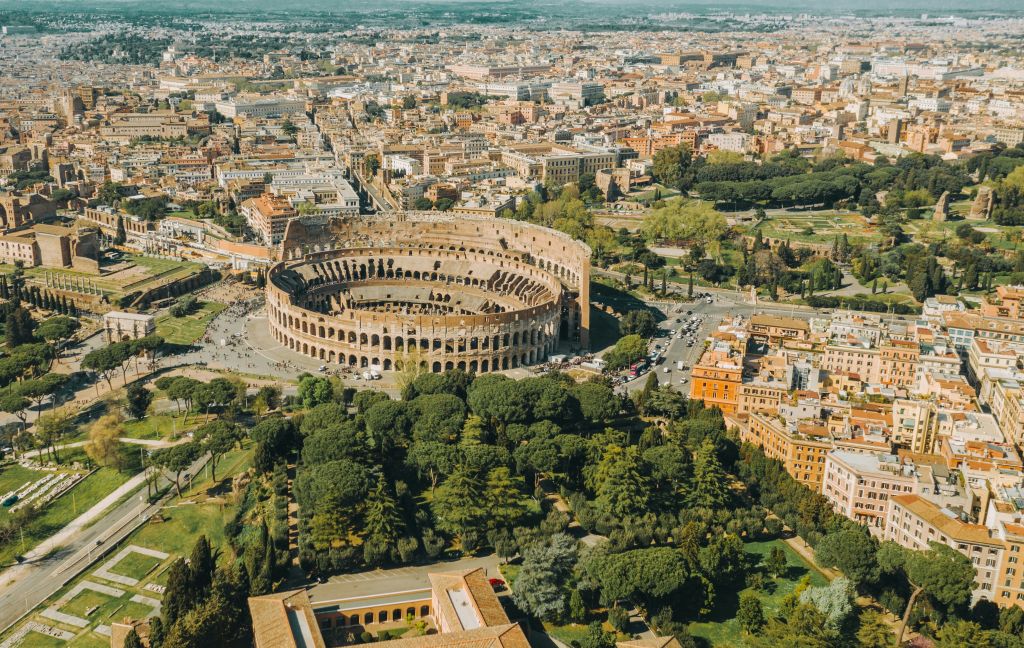
2. Step into Ancient Rome: the Colosseum.
You’ve got to visit the Colosseum!
One ticket covers three sites: the Colosseum, the Roman Forum and Palatine Hill, valid for 24 hours.
In 2026, the standard ticket costs roughly €18–20 including the online booking fee.
My tips for ancient Rome:
- Book only on the official site, and do it early. There’s effectively no walk-in option in high season, and Full Experience slots sell out first.
- Start at the Roman Forum or Palatine Hill entrance. Queues are much shorter, and you’ll reach the Colosseum later with your ticket already scanned.
- Wear proper shoes. The Forum is uneven stone, dust, and steps, with very little shade.
- On the first Sunday of the month, state sites, including the Colosseum, are free, but expect big crowds.
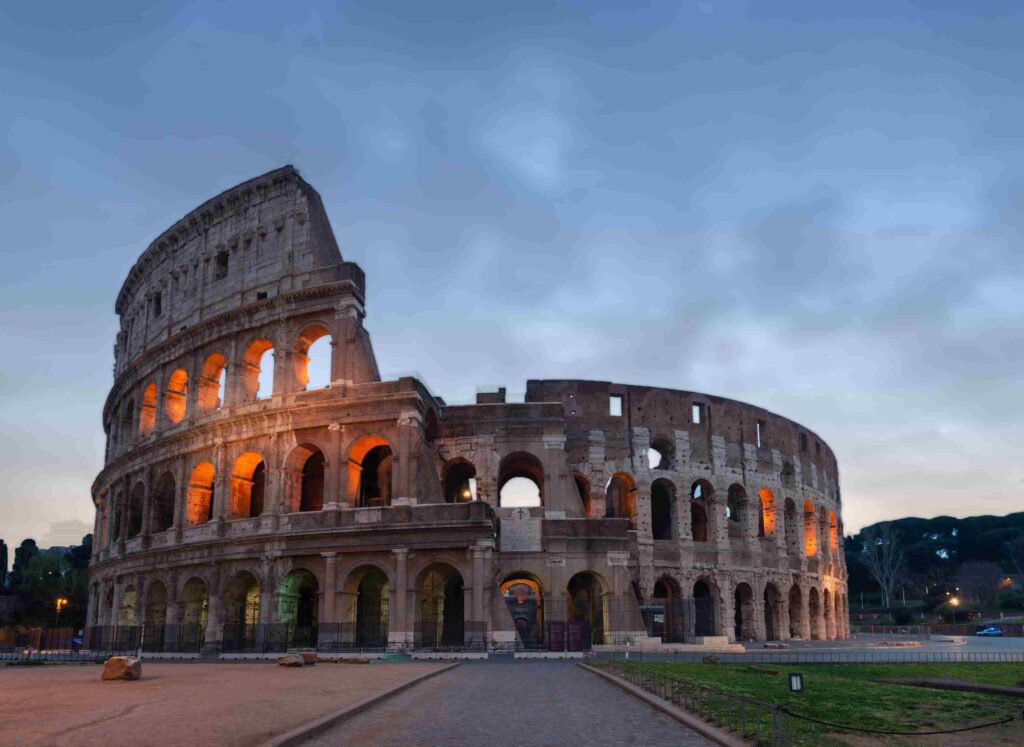
Monti is just behind the Colosseum but feels a world away. Vintage shops, small wine bars and a little square where locals sit around the fountain with a drink in the evening. It’s my favourite base in Rome: central, walkable and full of character.
Testaccio is for food lovers. This working-class district is where many classic Roman dishes were born. Spend a morning at the covered Testaccio Market, eating your way between the stalls.
3. Vatican - without losing your mind!
ou cross an invisible border into the world’s smallest country and walk into one of its largest art collections. The Vatican Museums hold over 70,000 works, and the route ends in the Sistine Chapel, where Michelangelo’s ceiling and The Last Judgment silence even the chattiest tour groups.
Tickets cost €20 plus a €5 online booking fee in 2026.
The Sistine Chapel is included.
St Peter’s Basilica is free to enter, with a security line that moves faster early in the morning. Inside, find Michelangelo’s Pietà just to the right of the entrance.
How to do the Vatican without losing your mind:
- Take the first entry slot of the day, or a Friday evening opening when available. Midday is a human traffic jam.
- Avoid Mondays, when most other Rome museums close and everyone heads here.
- The museums are free on the last Sunday of the month, but the queue can take hours. I’d rather pay.
- Dress code: shoulders and knees covered for the Sistine Chapel and St Peter’s. A light scarf in your bag solves this.
- Photos are not allowed in the Sistine Chapel. Put the phone away and just look up.
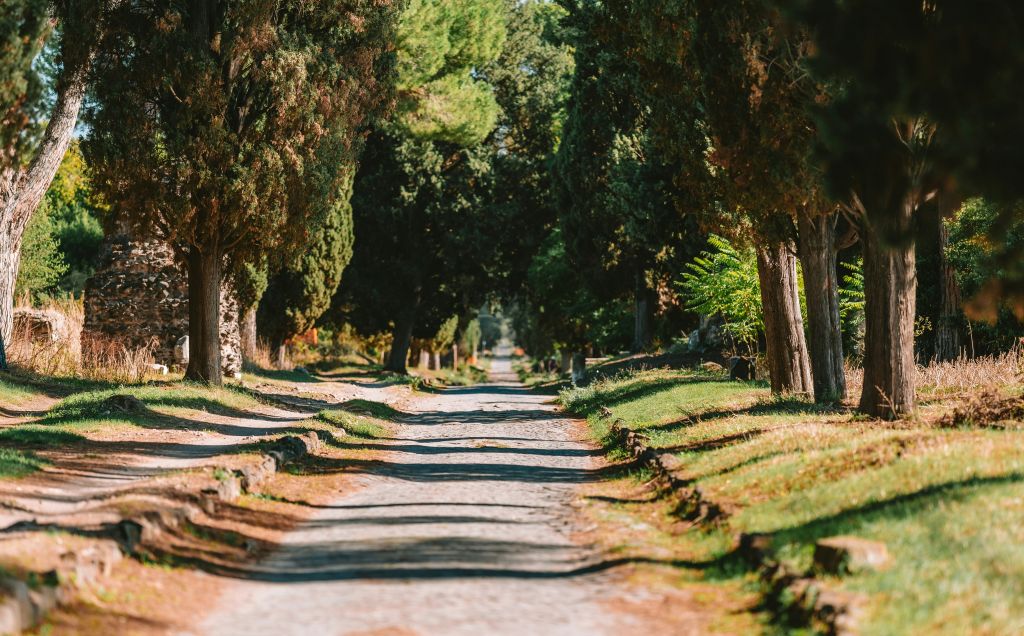
4. Cycle the ancient Appian Way.
This is a 2,300-year-old road that ran from Rome to southern Italy.
The Via Appia Antica—Rome’s ancient “Queen of Roads”—was built in 312 BC as a highway to the south. Today, it’s one of the most atmospheric bike rides you’ll ever take.
Getting a bike and cycling through the Appian Way is one of the most adventurous things to do in Rome, you’ll pass:
- The Tomb of Cecilia Metella, a massive circular mausoleum.
- The Catacombs of San Sebastiano, less crowded than the northern ones,
- Countless ruined tombs, crumbling aqueducts,
- Grazing sheep that somehow make 2,000-year-old ruins even more surreal.
PRO TIP: On Sundays, the road closes to car traffic, and families gather in the park, picnicking among the ruins.
Continue past the tourist zone (around km 3) into the wild section until you reach massive basalt stones.
Practical info:
- Bike rental: €15-20/day
- Distance: 5-18 km depending on your ambition
- Best time: Sunday morning or late afternoon weekdays
- Bring: Water, snacks, sunscreen, camera, and comfortable shorts.
5. Climb St. Peter's Dome.
There’s a way to experience St. Peter’s Dome without crazy crowds – you just need to get there before it opens at 8 AM (7:30 AM in summer).
You’ll take 551 steps through increasingly narrow passageways.
Alternative adventure: For an equally stunning view without the Vatican bureaucracy, climb the dome of Sant’Andrea della Valle in Corso Vittorio Emanuele. It’s the second-largest dome in Rome, costs only €5, and you’ll probably be alone up there.
Practical tips:
- Buy tickets online to skip lines (€10 with elevator, €8 stairs only)
- Wear layers—it’s cool inside but hot on top
- Shoulder and knee coverage required (bring a scarf).
If you want to skip the line book: Skip the Line: Vatican Museum, Sistine Chapel + Optional Basilica
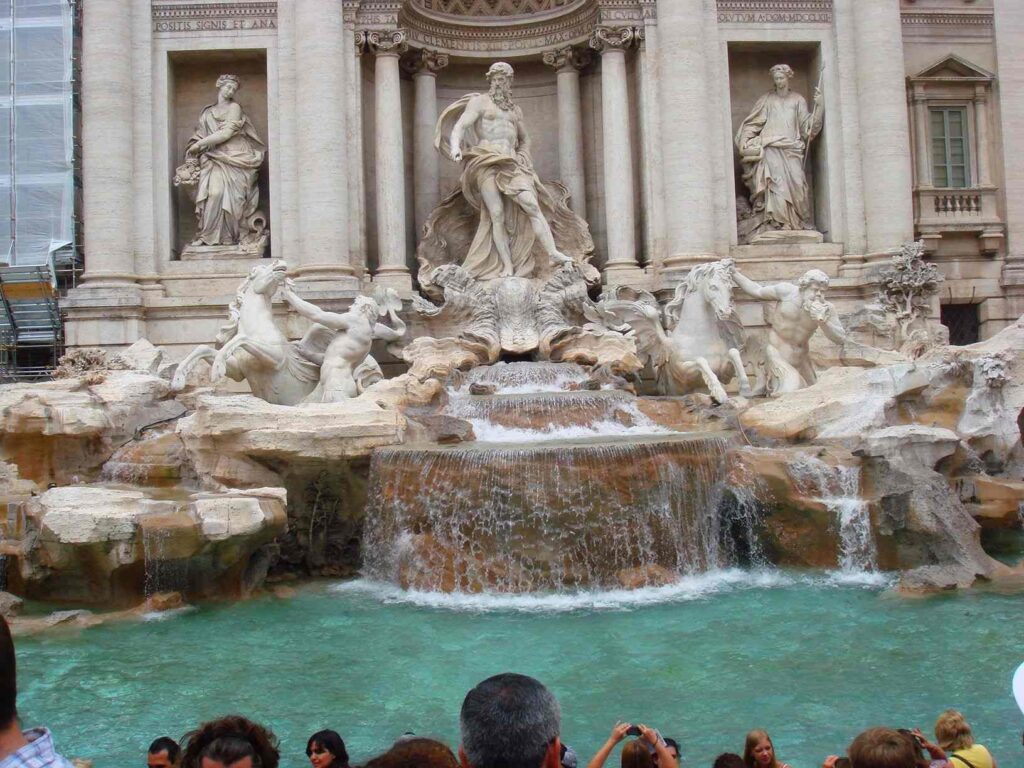
6. Visit the magical Trevi Fountain.
Trevi Fountain is probably the busiest attraction in Rome but it’s stunning and it’s a must-see in Rome.
The best times to visit the Trevi Fountain for fewer crowds are very early in the morning, like 7am or very late at night, when the fountain is illuminated.
PRO TIP: €2 ticket system began on February 1, 2026!
You can still see it for free from the square. My tip: the ticket applies only during the day, so come before 9am or late in the evening. Seeing the fountain glowing at night, almost empty, is one of Rome’s quiet wonders.
The coin tradition says one coin means you’ll return to Rome.
The money goes to charity.
Pantheon, Trevi Fountain, Piazza Navona and the Spanish Steps – these four sights sit within a 25-minute walk of each other, so connect them on foot.
Getting around Rome.
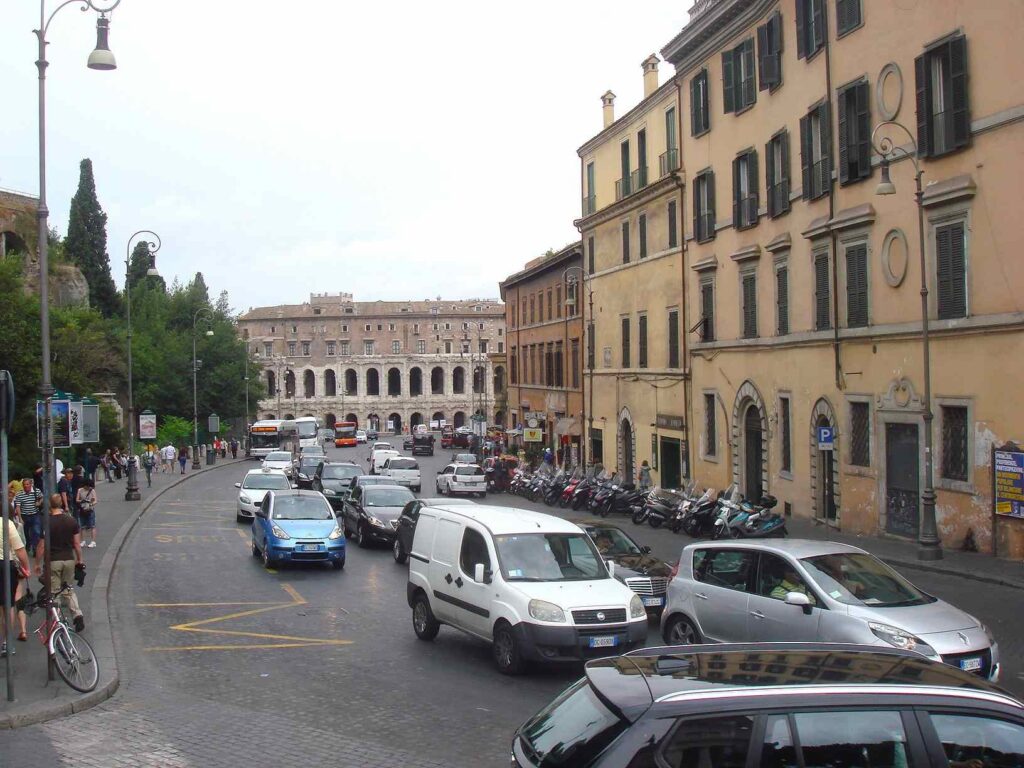
Public transportation in Rome is very well developed. But walking the streets of Rome is one of the most pleasant ways of exploring. Decide what suits you best for discovering all the things to do in Rome. Rome is deceptively compact. Most major sites are within 30-40 minutes walking distance.
The centre is very walkable, and walking is how you’ll find the best corners.
Rome’s metro has only three lines, so buses and trams fill the gaps. You can tap a contactless card at metro gates. A single ride costs €1.50 and is valid for 100 minutes.
If you are brave enough, you can rent a scooter. An international driver’s license is required. Traffic is aggressive, but I drove a few times in Rome and it was fine. Parking is insane; all cars are scratched! Hire as small car as you can!
Bikes are great for Appia Antica, but terrible for the cobblestone streets. Many areas are ZTL (limited traffic zones)—bikes are exempt.
Travel tips for Rome.
- Cash is king: Many small restaurants and shops don’t accept cards. ATMs are everywhere—use bank-affiliated ones to avoid fees.
- Coperto charge: €1-3 per person for bread/table service is standard. If it’s more than €3, you’re being overcharged.
- Tipping: Not obligatory. Round up or leave 5-10% for excellent service. Bartenders don’t expect coffee tips.
- Budget: €50-70/day is comfortable for mid-range travel (not including accommodation).
7. Where to watch the sunset in Rome.
Rome is built on hills, and climbing them is free. If you like a bit of a workout, connect these viewpoints on foot. One of the best things to do in Rome is to take a short hike to watch the sunset over the city. Here are some of the best spots:
- Gianicolo Hill (Janiculum): a short, steep walk up from Trastevere with a panorama over the domes of the whole city.
- The Orange Garden (Giardino degli Aranci) on the Aventine: a peaceful park with a terrace above the river and St Peter’s on the horizon.
- Pincio Terrace: above Piazza del Popolo, a classic sunset spot that connects easily with a walk through Villa Borghese park.
Best time to visit Rome.
Best times: April-May and September-October offer perfect weather and manageable crowds. November-March is cold but wonderfully empty—my personal favorite.
Avoid: August (sweltering heat, many restaurants closed), Christmas week (overcrowded), and Easter (insane crowds at the Vatican).
Summer survival: Visit major sites at 8 AM opening or after 5 PM. Afternoons are for air-conditioned museums, parks, or extended lunches.
Getting from the airport. The Leonardo Express train runs from Fiumicino to Termini in about 32 minutes. Taxis from Fiumicino to the centre have a fixed fare, so confirm it before you get in. From Ciampino, airport buses go to Termini.
Money. Cards are widely accepted, but carry some coins for espresso bars and small shops. Hotels charge a city tourist tax per person per night, paid on site.
Safety. Rome is generally safe, but pickpockets work the busiest spots: Termini, the 64 bus to the Vatican, the Trevi Fountain and the metro. Keep your phone in a front pocket and your bag zipped and in front of you. Politely ignore anyone pushing bracelets or roses into your hand.
READ:
Note: This post may contain affiliate links, which are at absolutely no cost to you – I can earn a small commission on sales generated through this website and thanks to that I can share travel guides and inspirations that may help you reach your dream destinations and discover our unique world. I only recommend sites I actually use and have traveled to. Thank you for your support!