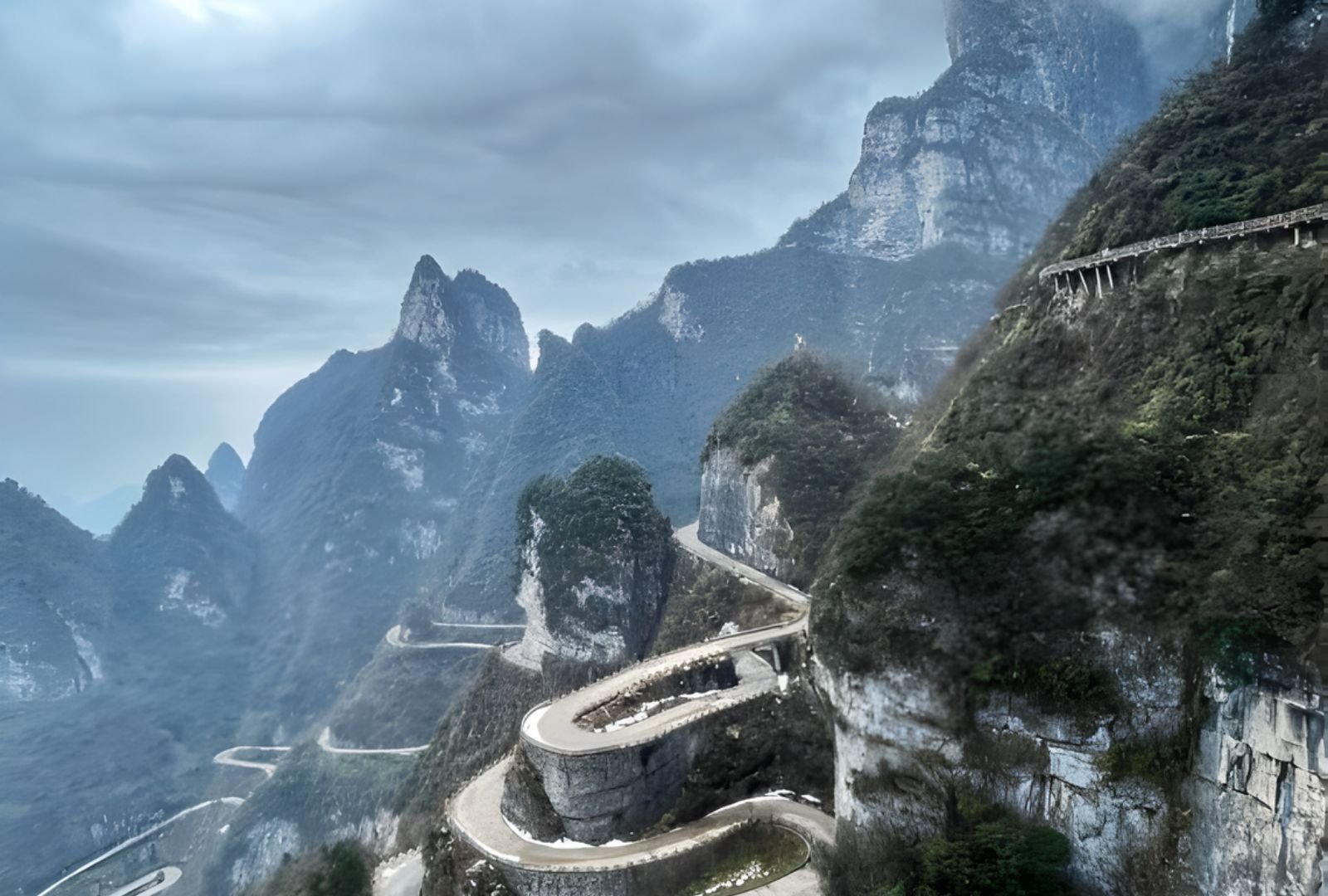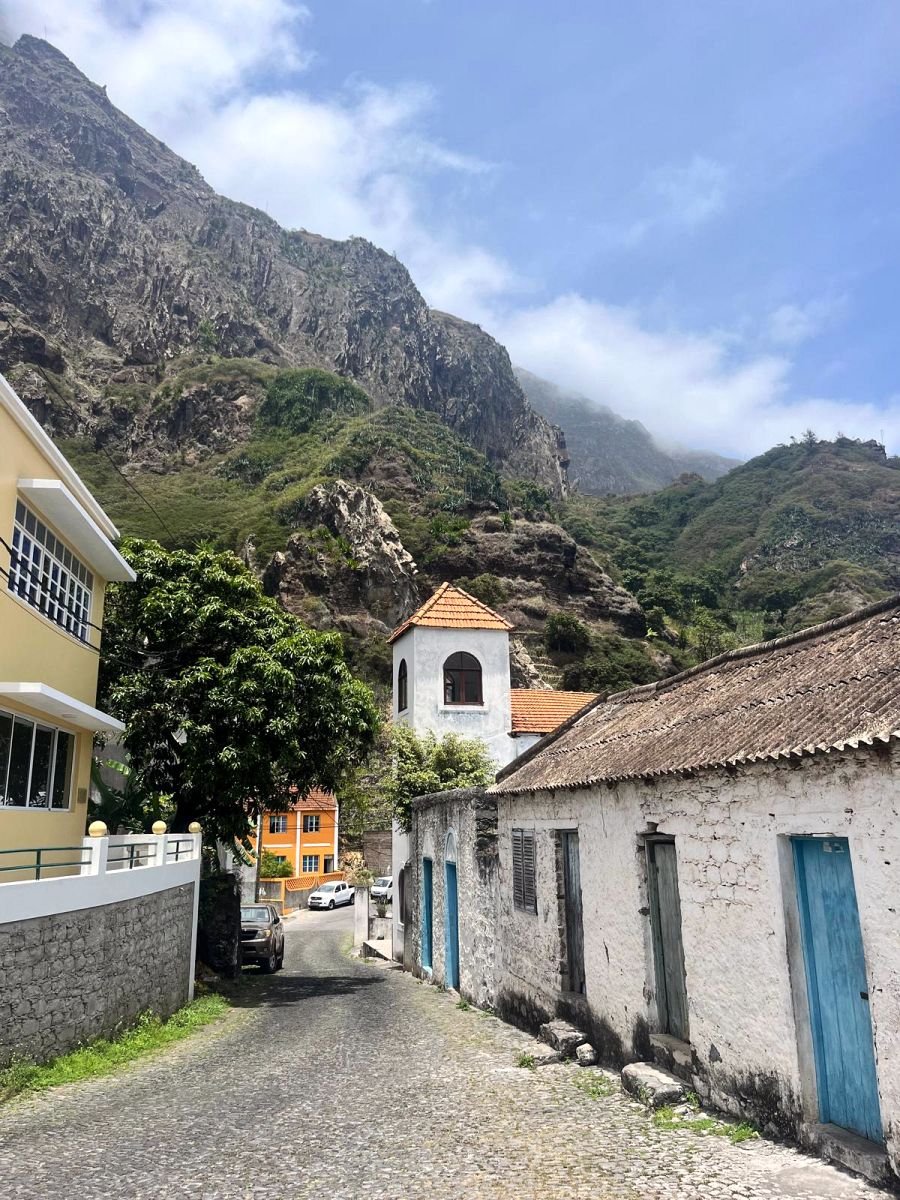
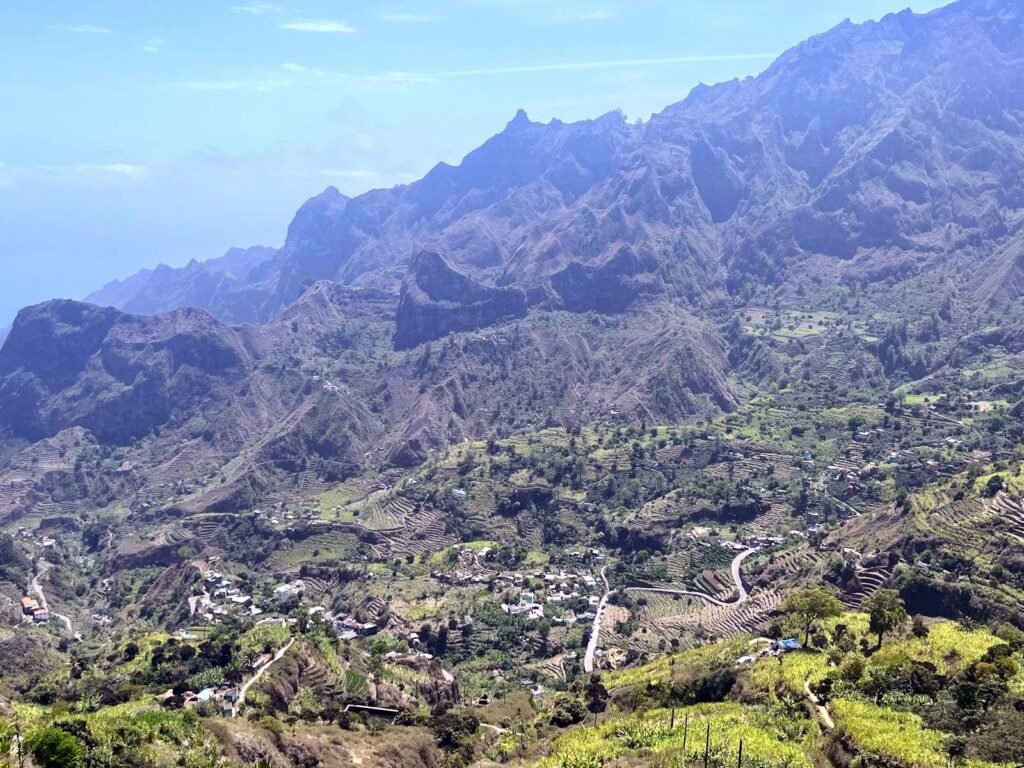
The Paul Valley hike on Santo Antão is one of the most surprising and breathtaking sceneries I’ve seen around the world. It starts at 1,000 metres through pine forest, clouds, green terraces, sugarcane, banana groves and tiny stone villages where people still press their own rum. If you only do one hike in Cape Verde, make it this one.
I visited Cape Verde without a tour and hiked solo on a few islands.
Paul Valley Hike in Santo Antão.
I’ve explored a few islands in Cape Verde, and I have to say each was completely different and unique. I’m going to share everything you need to know about the Paul Valley hike so you can do it yourself: how to get to Santo Antão, how to reach the trailhead without a tour, what the trail is really like on your knees, where to stop for grogue and lunch, and the mistakes I would avoid.
It’s long, so grab a coffee (Santo Antão grows its own, by the way) and let’s go.
Why the Paul Valley hike is the best hike in Cape Verde?
Santo Antão is the westernmost of the larger Cape Verde islands.
It is a vertical island of volcanic peaks and deep ribeiras (valleys), and it is the country’s hiking capital.
- It starts in a volcano. COVA is an extinct crater roughly one kilometre across, sitting at about 1,100–1,200 metres above sea level.
- The contrast is unreal. One side of the island is dry and brown. The Paul side is called the garden of Cape Verde.
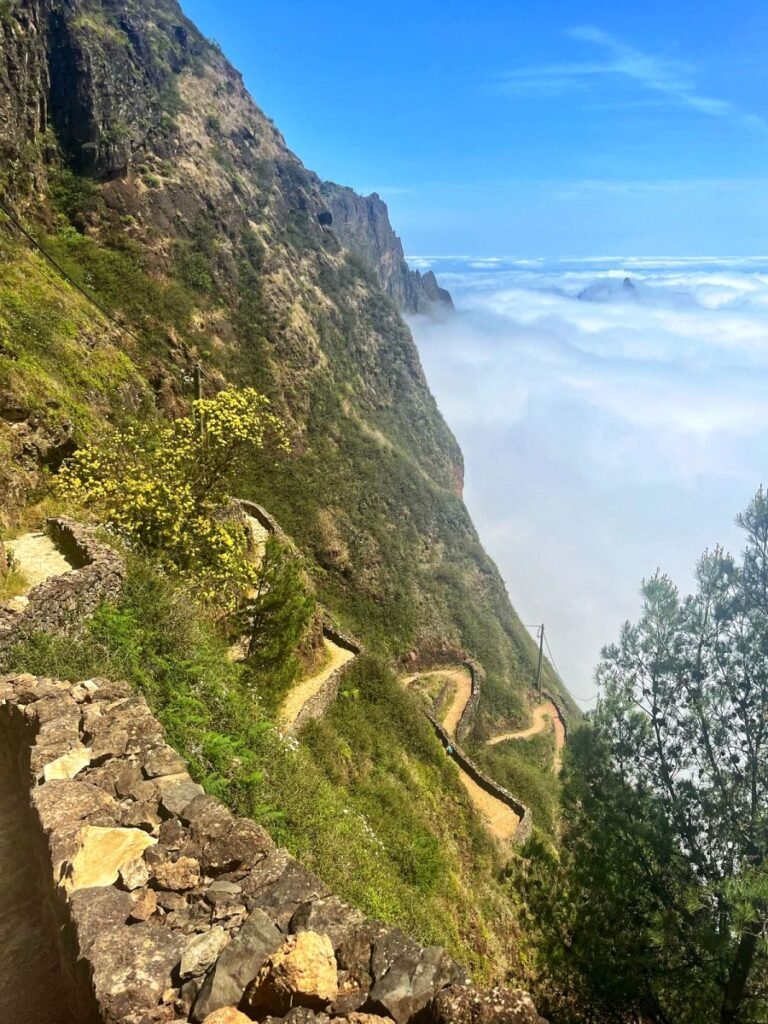
- It is (mostly) downhill. The trail is a cobbled path that zigzags down the valley wall. No summit push, just a long, steep, spectacular descent.
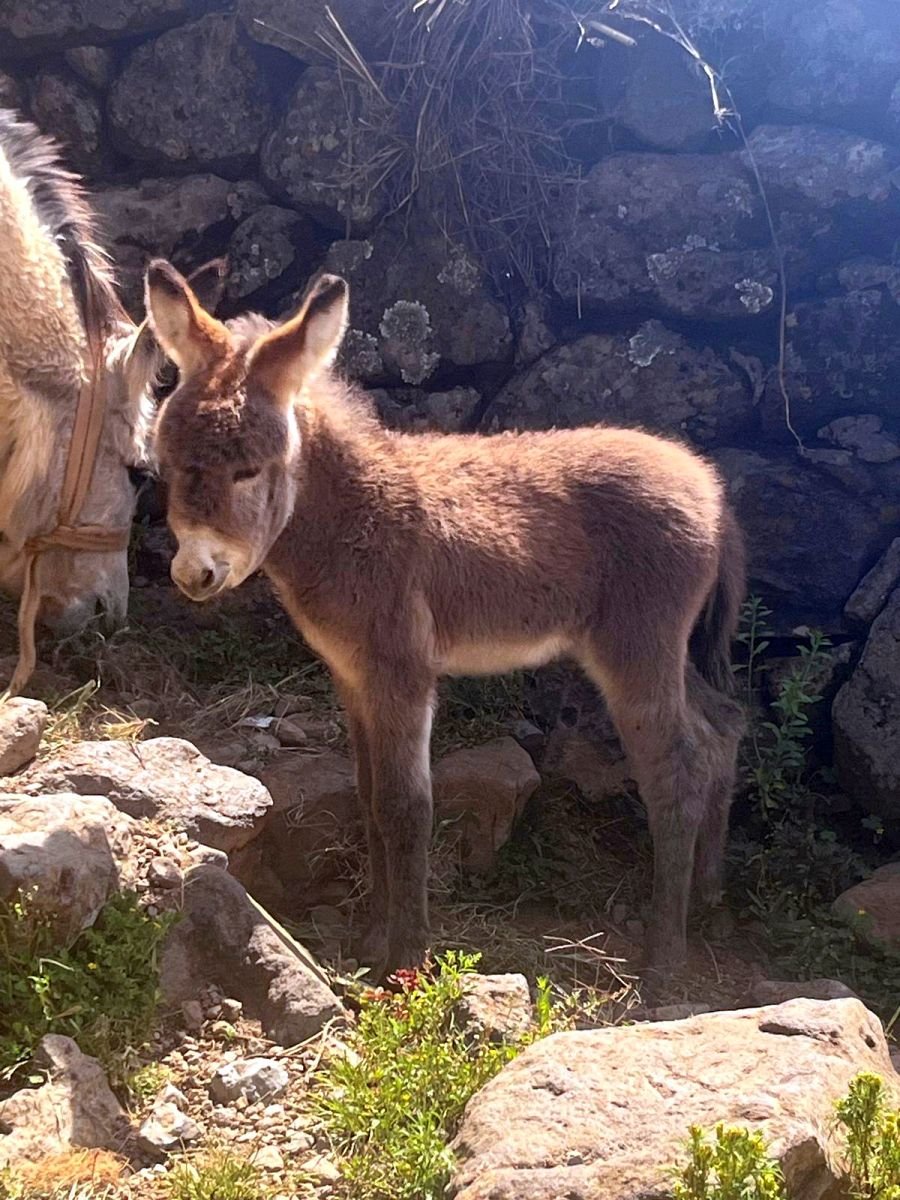
- It is full of life. You walk past farmers, donkeys, schoolkids, sugarcane presses and front doors, not just scenery. It is a window into rural Cape Verdean life that hasn’t changed much in a century.
- It ends at the sea, with a cold drink and a plate of fresh fish in Vila das Pombas or Paul Village.
Paul Valle hike at a glance.
DISTANCE: 1-12 km
WALKING TIME: 5-6 hours/one way
ELEVATION: starts at about 1100-1200 m, finishes at sea level
GUIDE: not mandatory
DIFFICULTY: moderate, hard on knees
How to get to Santo Antão and to Cova crater?
I landed on Sal and stayed for a few days to explore the whole island.
Then I booked a flight to São Vicente to stay for about 5 days, and then took a ferry to Santo Antão (45 minutes).
Santo Antão has no working airport, which is part of its charm. Everyone arrives by sea from Mindelo on neighbouring São Vicente, which you can reach by international or domestic flight.
If you plan to travel around different islands in Cape Verde, there are a few things to know about connecting boats.
Ferries between the islands in Cabo Verde.
Ferries operate between the Cape Verde islands, mainly by CV Interilhas, but they are notorious for severe delays and unpredictable cancellations due to Atlantic weather conditions and strong winds.
The Atlantic between the islands is roughest from November to March.
Short-distance ferries, like those between São Vicente and Santo Antão, run 2 times a day and take 45 minutes.
Domestic flights in Cape Verde.
I highly recommend taking a flight with Cape Verde Airlines: www.CVsky.cv
Local ferries: www.cvinterilhas.cv
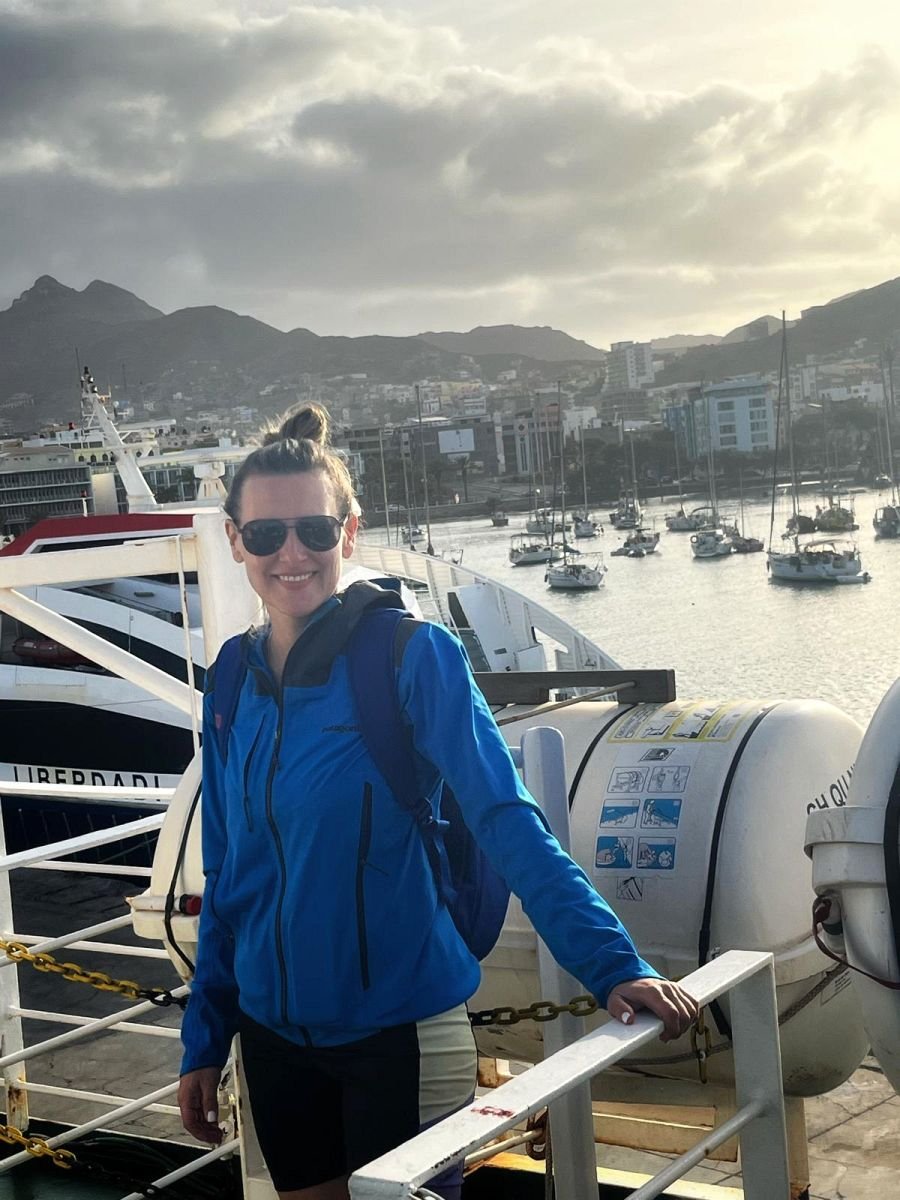
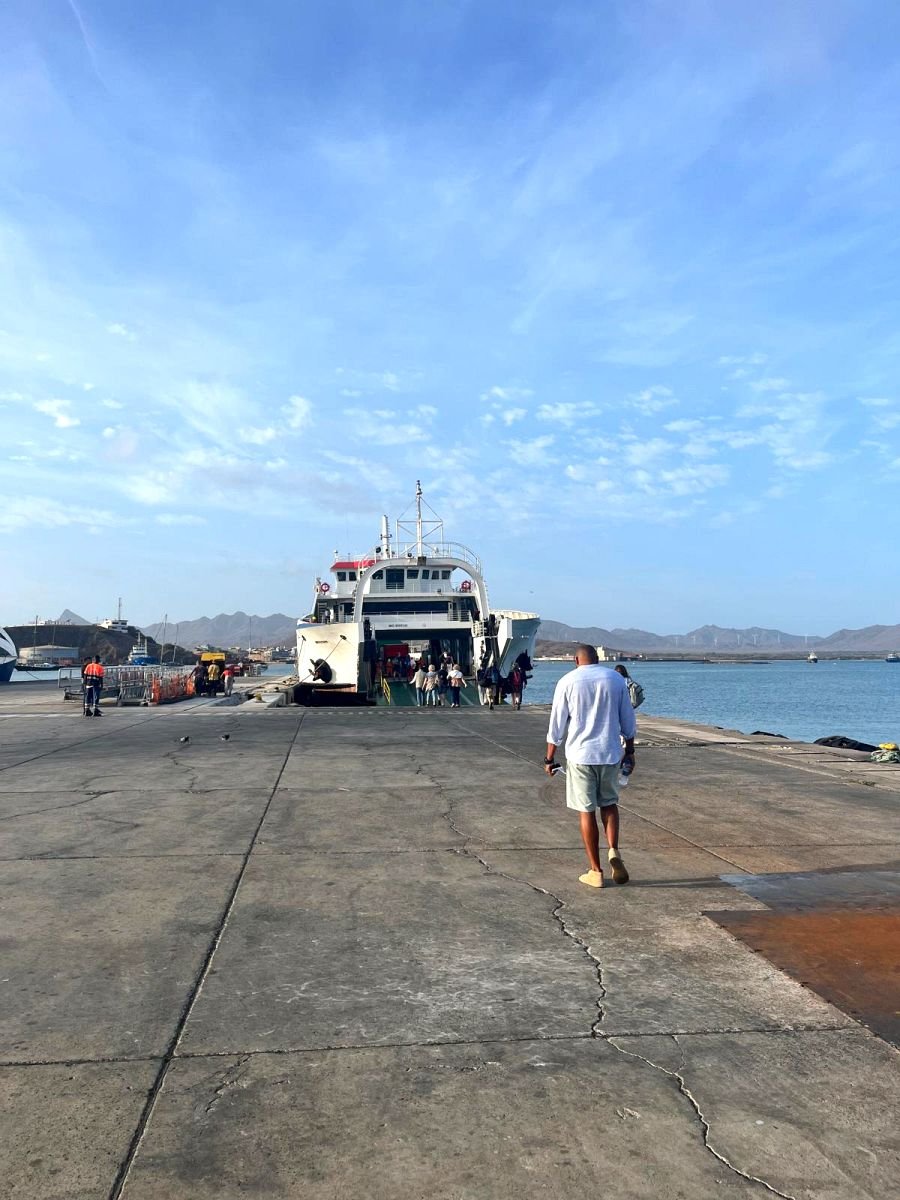
The ferry from Mindelo to Porto Novo.
Ferries run daily between Mindelo and Porto Novo, the port town on Santo Antão.
The crossing takes about 45–60 minutes.
The first boat usually leaves Mindelo at around 7:00, which is perfect for a hiking day. Tickets cost roughly 1,100–1,500 escudos one way. Go to the main port in Mindelo a day before your trip to purchase your tickets. In the main hall, there were 2 operators (nosferry.cv), and it took me 5 minutes to buy the tickets.
ON the day:
- Arrive at least 25–30 minutes early. These ferries leave on time.
- Sit outside if you can.
From Porto Novo to the Cova crater trailhead.
I didn’t know what to expect, so I packed for the day. Upon arriving at the port, go outside to catch a shared minibus (Shared aluguer) – a few people were going hiking. Tell the driver to drop you off at Paul Valley, or that you want to get off at Cova. A shared seat costs only 300 escudos.
The hike starts at the Cova crater viewpoint along the old mountain road (Estrada da Corda).
At the end of the hike, aluguers run from Vila das Pombas or Paul Village back to Porto Novo along the new coastal road in under an hour.
If you’re returning to Mindelo the same day, make sure you know the time of the afternoon ferry and leave yourself plenty of buffer. Missing the last boat is a classic Santo Antão story, and not a cheap one.
Santo Antão hiking.
Paul Valley Hike can be done on your own – the adventurous way (like I did) or you can go with an organised tour.
Guided tour. Several local operators sell the Cova–Paul hike as a day trip from Mindelo, with ferry tickets, transfers and a guide included. It’s the easiest option if you only have one day, though more expensive than doing it on your own.
Recommended Tour: Santo Antão: Full-day Island Tour & Visit to Cova de Paúl Volcano Crater.
Hiking through Cova Natural Park.
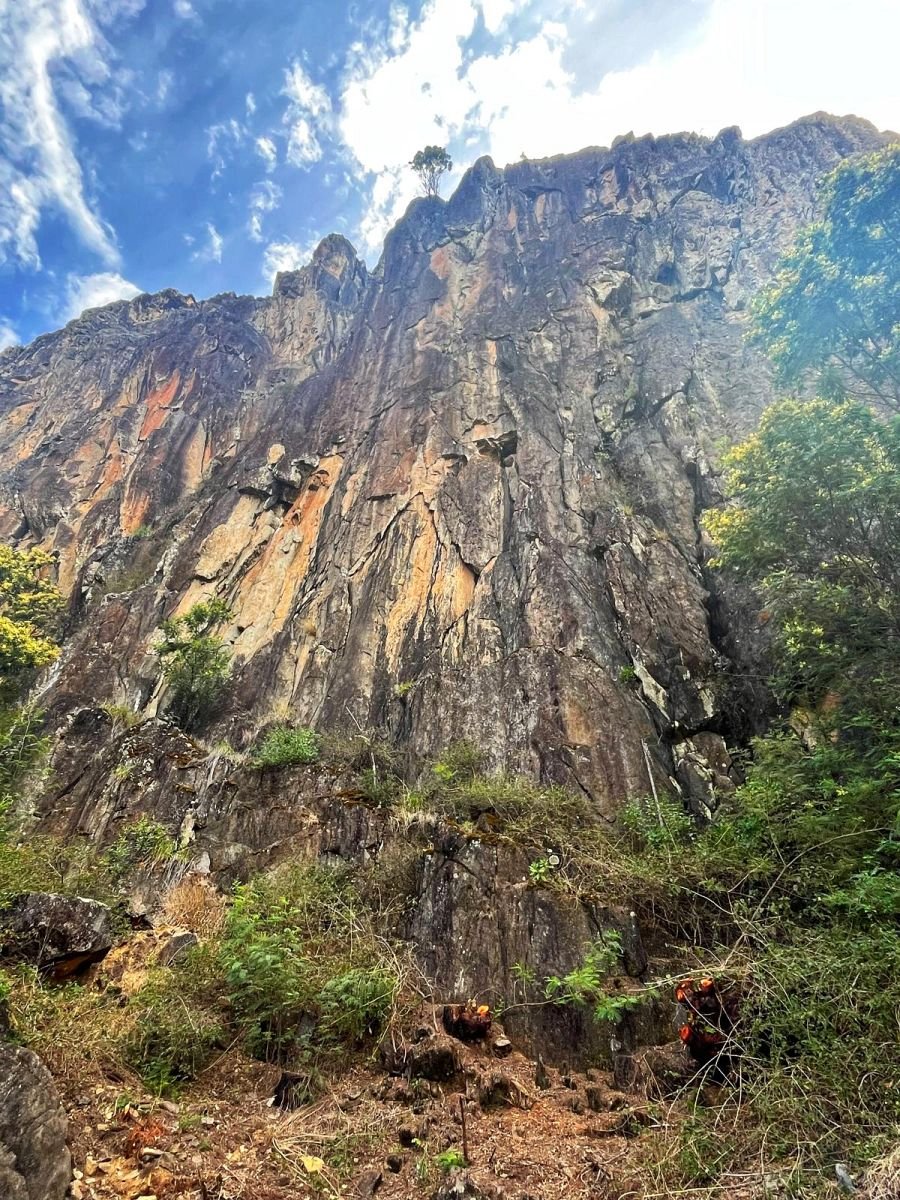
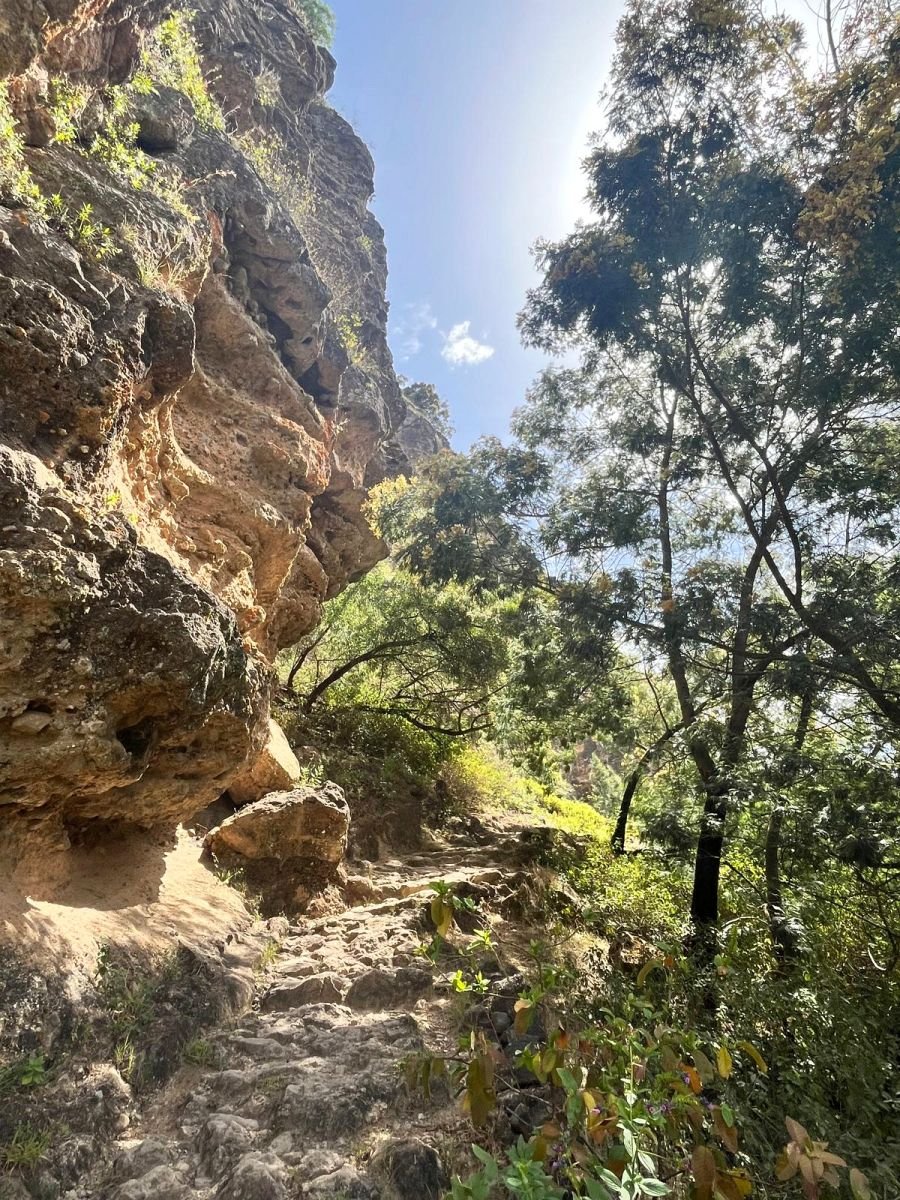
STARTING POINT: The minibus drops you near the rim of Cova, Ribeira da Torre Natural Park. The path leads along a beautiful forest and a giant rock on your right.
the Paul Valley viewpoint.
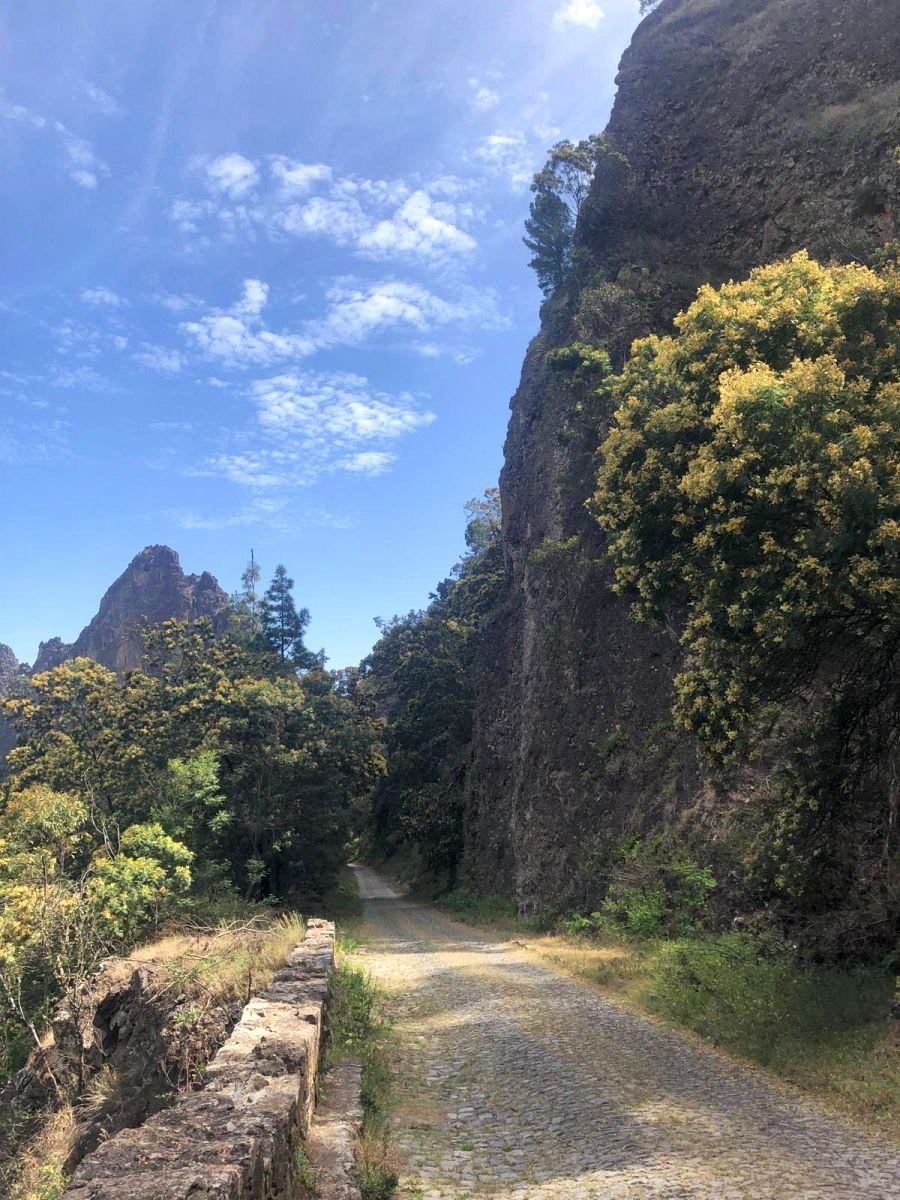
The trail is an old cobbled donkey path that zigzags straight down the valley. It’s well built and easy to follow, but it is steep and the stones can be slippery when wet or covered in pine needles.
As you lose height, the vegetation changes completely. The air gets warmer and heavier.
Cova to Paul - the hike.
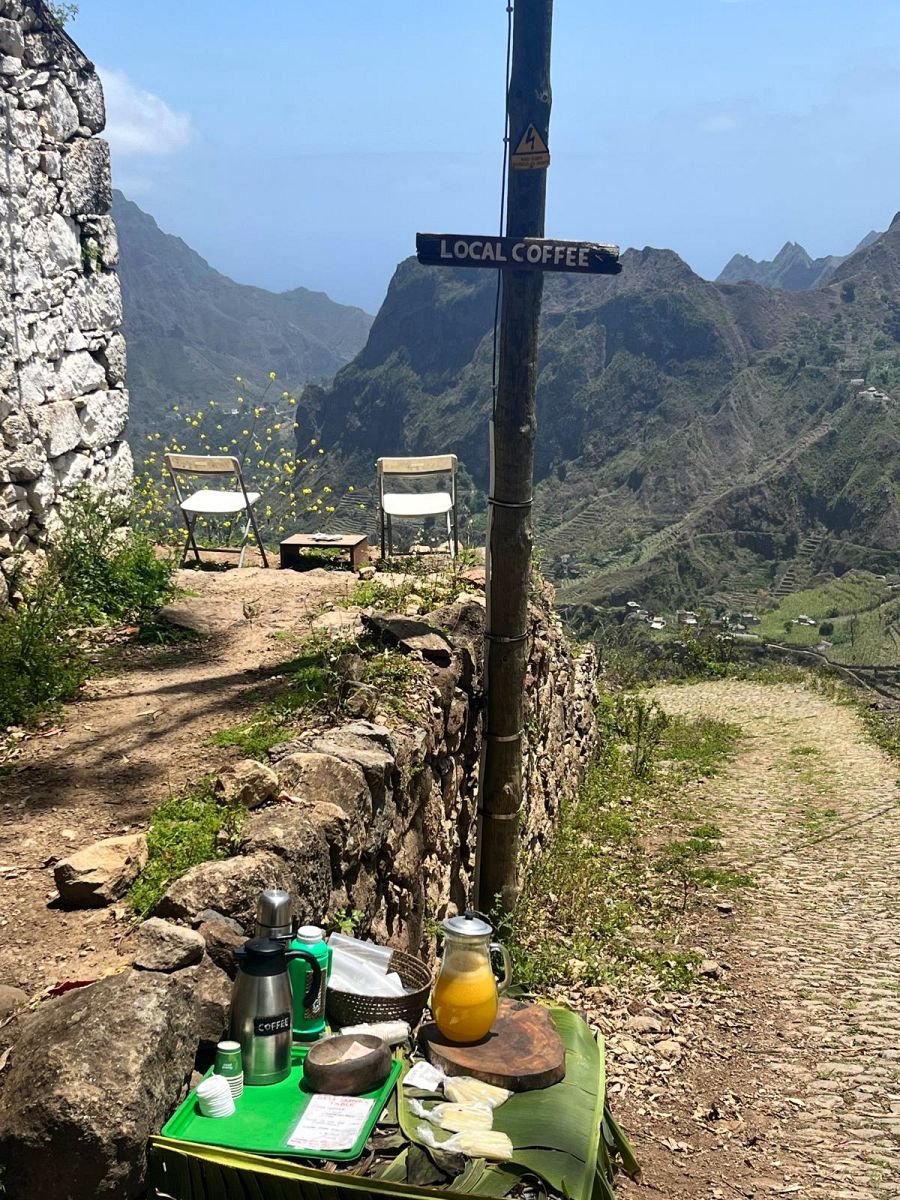
I have to say, the Paul Valley hike, Cape Verde turned out to be one of the most amazing hiking destinations I’ve been to around the world. The scenery is unreal. It looks almost like Peru. The path winds past green terraces carved into the canyon walls, growing sugar cane, coffee, bananas, papayas, and mangoes.
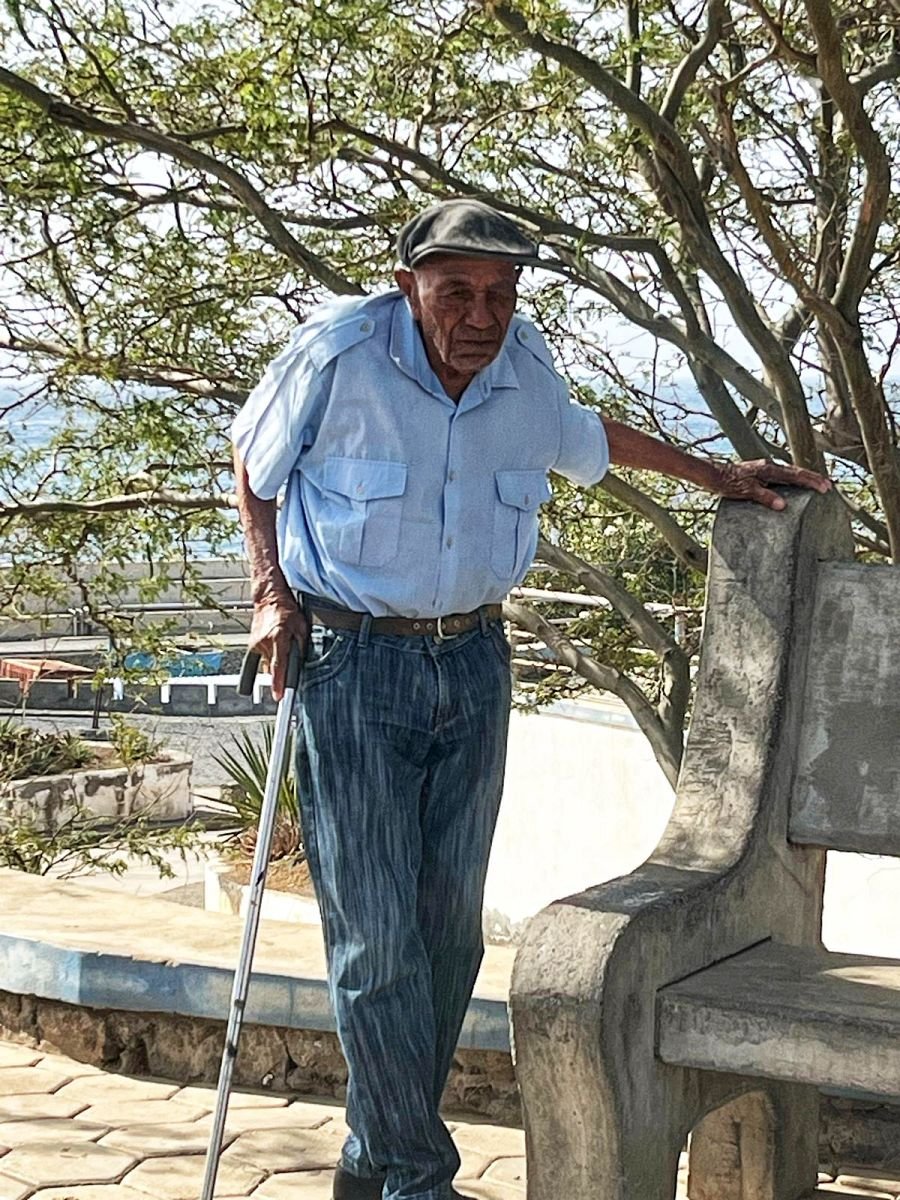
The place is untouristy and highly authentic; people are super friendly.
Cabo da Ribeira and the first villages.
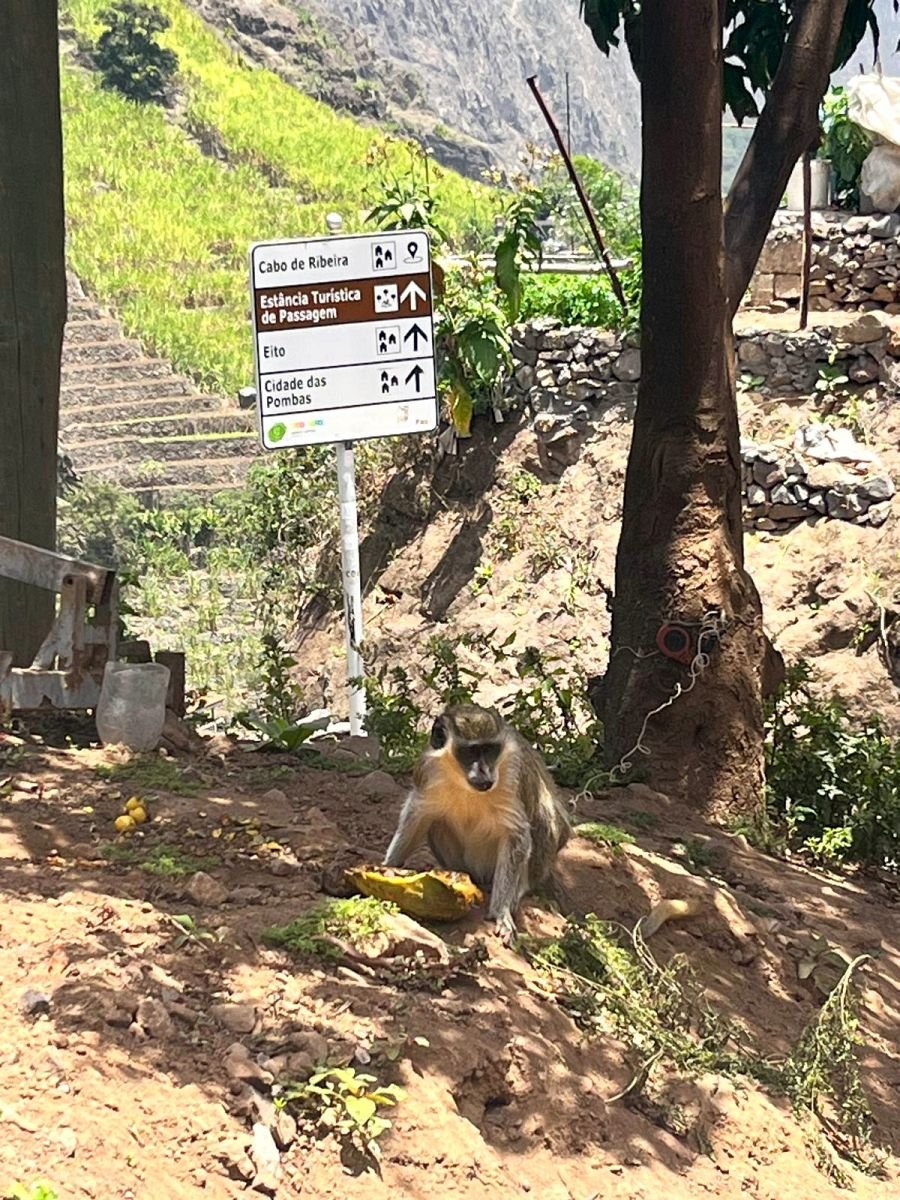
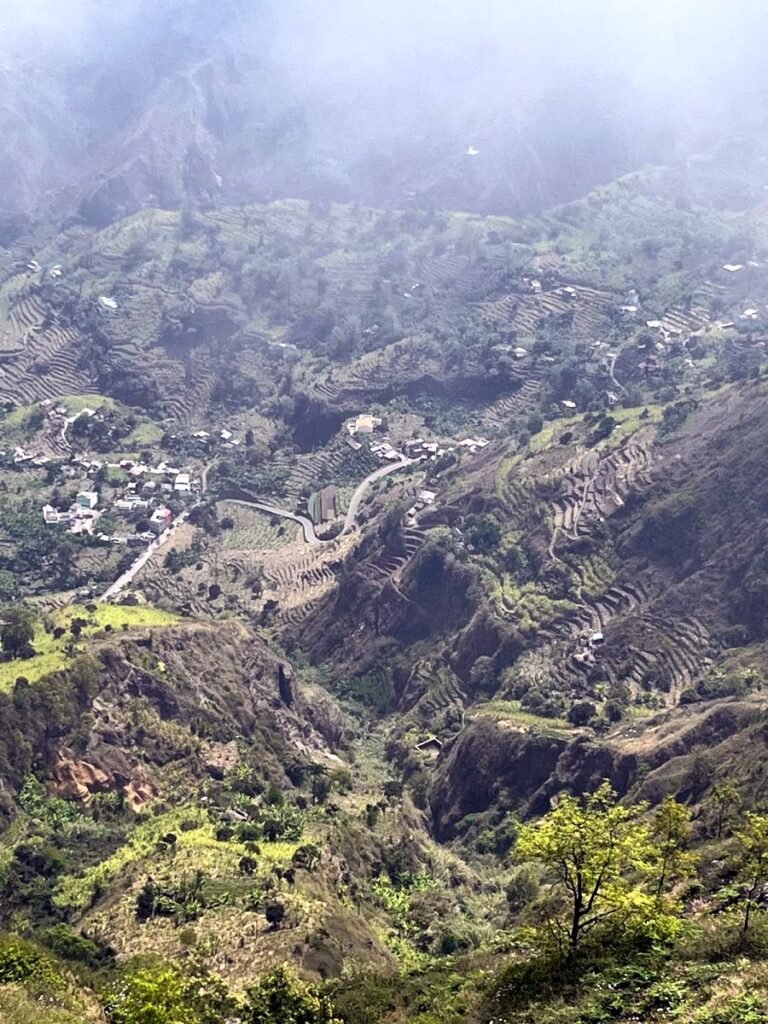
At the bottom of the steepest section you reach Cabo da Ribeira. This is a good place for a break, and also the point where the short version of the hike ends. You can catch an aluguer from here if you feel tired.
From here the character of the hike changes. The trail joins a paved valley road and follows the ribeira down past terraces of sugarcane. Narrow levadas (water channels) run along the hillsides, carrying spring water from field to field. It’s a brilliant example of how people farm in one of the driest countries in the world.
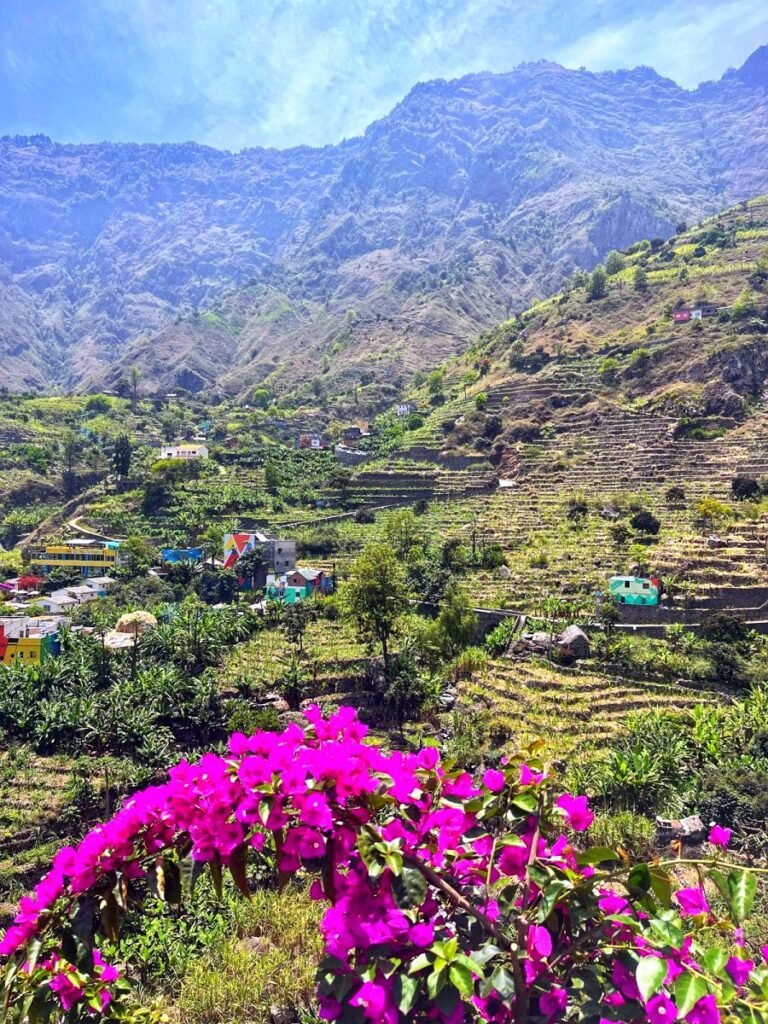
Through the heart of the valley to the sea.
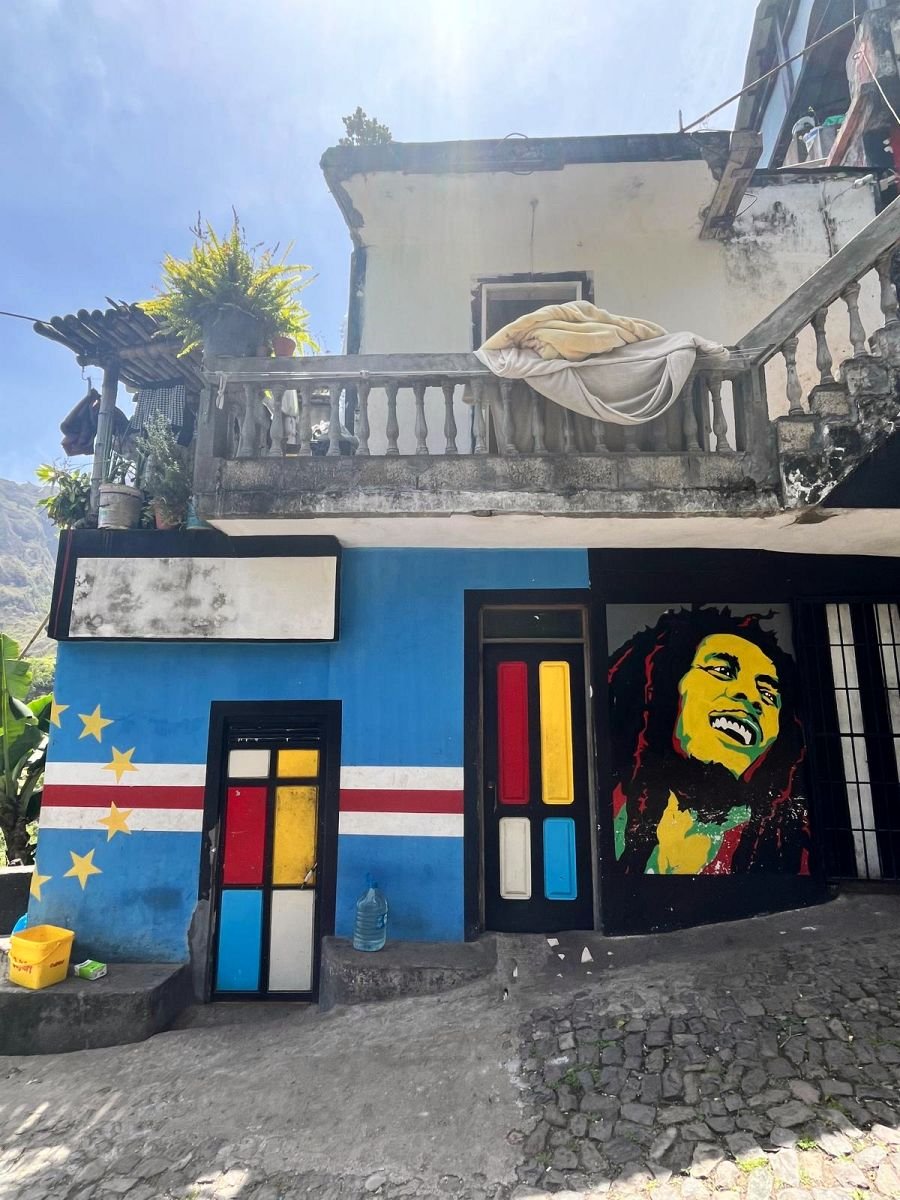
The valley widens and you finally see some life. There’s even a reggae cafe 😉
The sound of the sea grows louder, and eventually you walk into the small capital of the Paul municipality. From a volcanic crater to the Atlantic in a single day.
What to eat after the hike.
For a proper meal, Vila das Pombas has several simple restaurants serving the catch of the day and cachupa, Cape Verde’s national stew of maize, beans, vegetables and fish or meat. Hikers often recommend Casa Maracujá, a rooftop restaurant with views back up the valley. After six hours of downhill, a cold drink with that view feels earned.
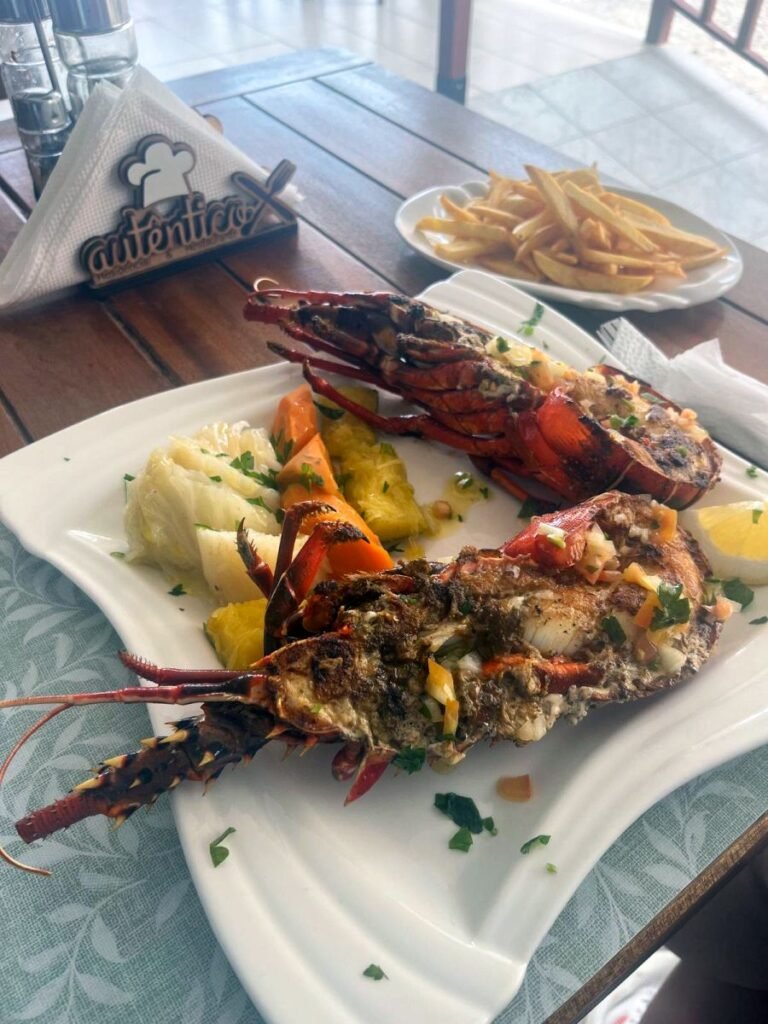
I chose to drive back to Porto Novo to find a local restaurant and have lobster! It was delicious! Trust me – if you like seafood, this is the place to try it out – fresh and well prepared.
What to pack for the Paul Valley hike?
- Shoes with real grip. Trail runners or light hiking boots.
- Hiking poles – optional.
- A windproof layer for the cold, foggy rim, and a hat for the hot valley floor.
- At least 2 litres of water per person. You can buy drinks in the villages, but not on the upper section.
- Sunscreen. You’re in the tropics, even when the cloud makes you forget it.
- Snacks
- Cash in small notes and coins
- Offline maps
- A small first-aid kit, especially plasters for blisters.

Where to stay on Santo Antão?
You can do the Paul Valley hike as a day trip from Mindelo, but I’d strongly recommend staying at least two or three nights on Santo Antão. The island deserves more than a quick visit, and you avoid racing for the ferry.
- In the Paul Valley: small guesthouses – Casa Cavoquinho is a hiker favourite. Waking up in the valley is magical, and you can hike other trails from your door.
Oasis Paul Residencial: by the sea and at the end of the hike, with easy transport to the rest of the island.
- Ponta do Sol – Hotel Rocha – a pretty little town at the northern tip, the best base for the famous coastal walk to Fontainhas and Cruzinha.
- Porto Novo – fabulous Cap-Azul with beach front and sea views: practical if you arrive late or leave early by ferry, but less charming than the north.
Ponta do Sol to Fontainhas and Cruzinha hike.
The island’s second must-do hike follows an old donkey path along the cliffs of the north coast. It starts in Ponta do Sol and climbs to Fontainhas, a tiny village balanced on a narrow ridge that is often called one of the most beautiful villages in the world.
The full route to Cruzinha is around 14 km and takes most of a day, with very little shade, so start by 7:00. Many people walk only to Fontainhas and back.
Note: This post may contain affiliate links, which are at absolutely no cost to you – I can earn a small commission on sales generated through this website and thanks to that I can share travel guides and inspirations that may help you reach your dream destinations and discover our unique world. I only recommend sites I actually use and have traveled to. Thank you for your support!