x

Documenting Your Adventures: The Art of Travel Photography and Video

Solo travel opens doors to extraordinary moments, but capturing them well requires more than just pointing a camera at a sunset. These days, travel photography and video act as a…

Hiking, Destinations
Travel photography & videos

Solo travel opens doors to extraordinary moments, but capturing them well requires more than just pointing a camera at a sunset. These days, travel photography and video act as a vital bridge for emotional storytelling, and personal preservation in a world heavily influenced by fast-paced social media and AI-generated imagery.

Travel photography & video tips.

Fifteen years ago I left my job with a one-way ticket to Southeast Asia and a camera I barely knew how to use. Since then I’ve hiked volcanoes, crossed deserts and slept in villages where a woman travelling alone with a tripod was the evening’s entertainment. Along the way I’ve made every mistake there is. I carried far too much gear, lost a whole trek’s photos to one dead memory card, and spent a sunrise staring at my screen instead of the sky.

This is what I’ve learned. It isn’t a gear review or a photography course. It’s how I document my trips now, so I come home with stories worth sharing and still feel like I was actually there.

Which equipment to choose.

The challenge, however, is balancing the desire to capture content with the reality of traveling light and staying present in the moment. 

Understanding what equipment actually serves your needs, how to use it effectively in challenging environments, and when to put the camera down entirely can make the difference between a trip that feels documented and one that feels lived. This guide explores practical approaches to travel photography and videography that work for independent adventurers navigating remote locations and demanding terrain.

Whether you’re summiting a remote peak in the Himalayas, hiking volcanic terrain in Latin America, or trekking through Southeast Asian jungles, the ability to document your journey transforms how you experience and remember it. Photography and videography have become essential parts of modern adventure travel, allowing you to preserve memories, share stories with people back home, and even inspire others to explore the world.

My photography travel gear.

My first big trip, I packed a DSLR, three lenses and a tripod. By day three of the trek, the tripod had never left my bag and my shoulders hated me. Here’s the honest rule I follow now: if it’s heavy, it stays in the bag, and gear in the bag takes no photos. So I choose for the trip I’m really doing, not the one I imagine in the camera shop.

My phone does the job. I’ll admit it: most of the photos on this blog were taken on my phone. Modern phones shoot beautiful stills and video, I always have mine on me, and I don’t have to think about settings when a moment happens fast. Yes, zoom is limited and night shots get noisy. But on a long hiking day, that’s a trade I happily make.

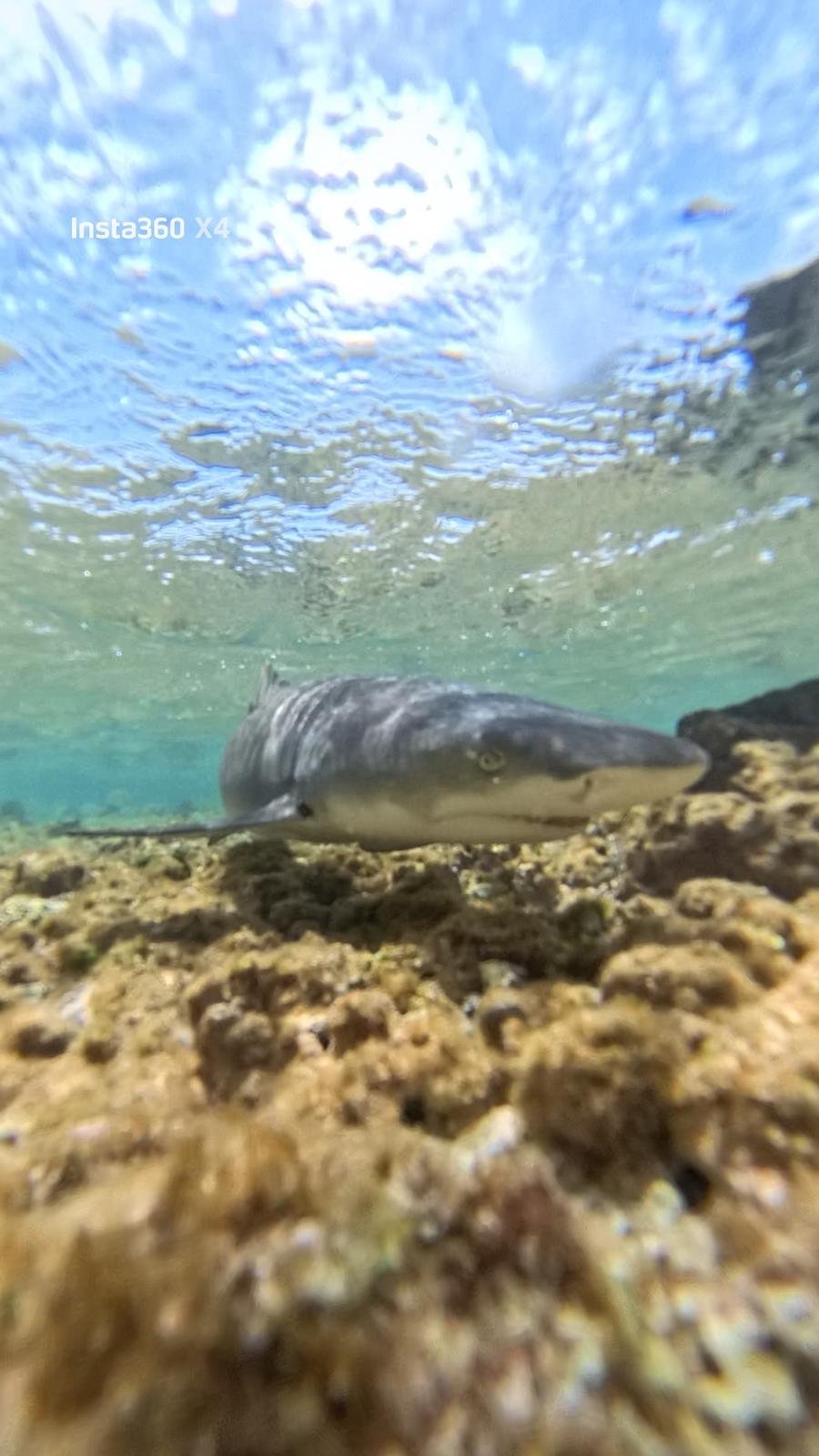
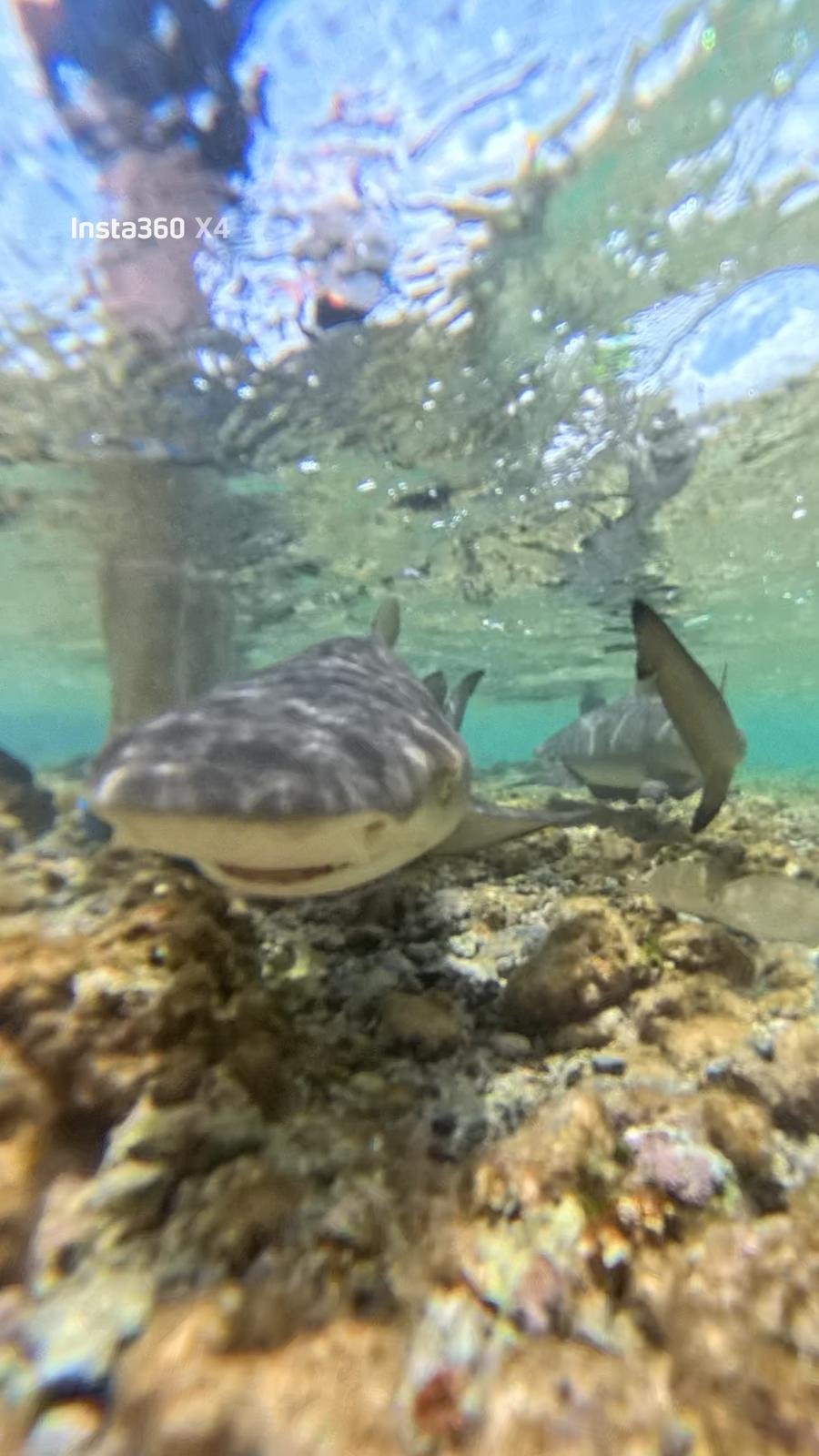
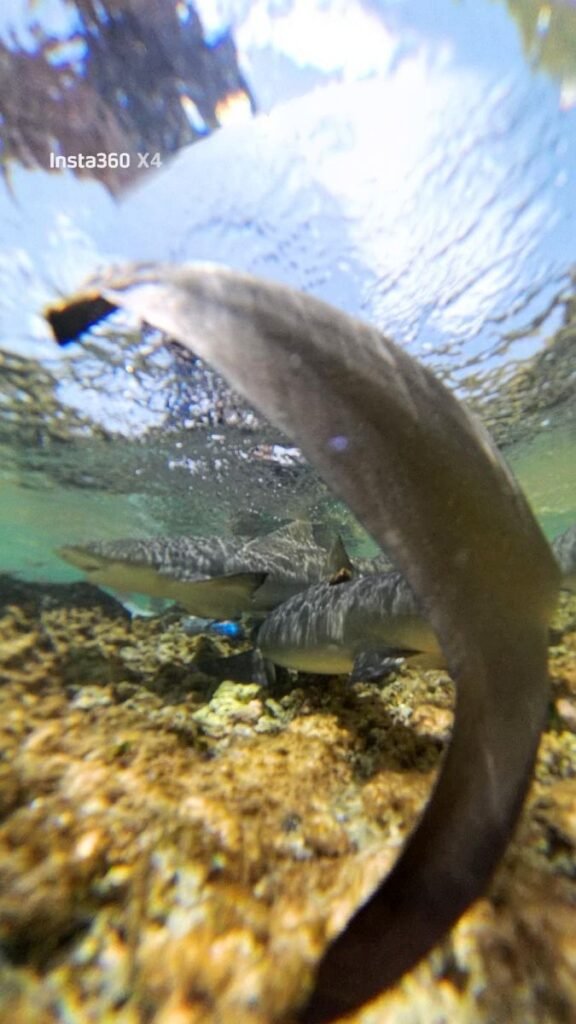
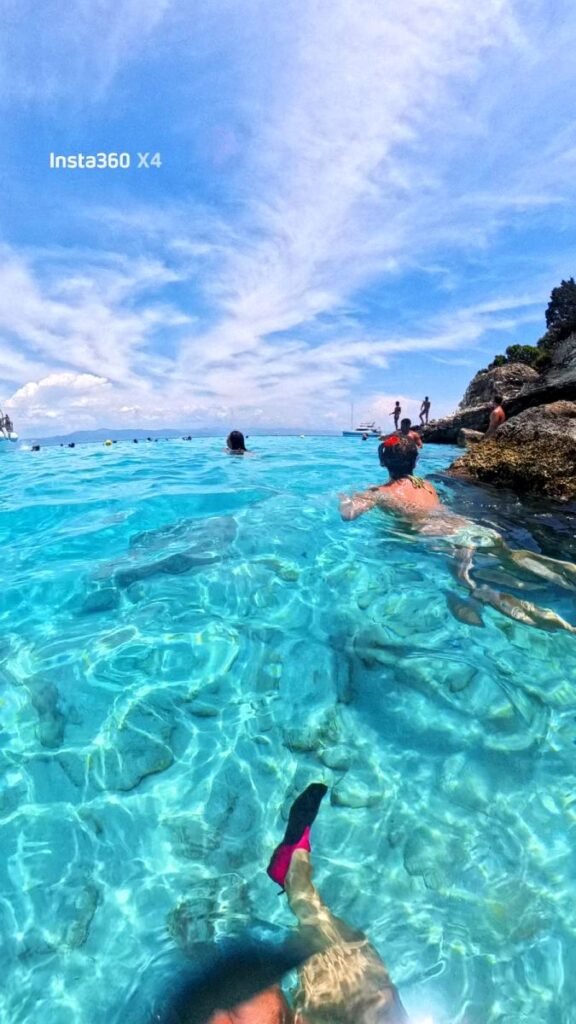
But Insta360 was a gamechanger. It films everything around you, and you choose the frame later when you edit. That’s perfect when I’m alone and there’s nobody to film me walking along a crater rim. It’s lighter than you’d think, and it’s become my favourite tool for video.

Choosing Equipment That Matches Your Travel Style.

The first decision is determining what kind of camera system makes sense for your specific adventures.

For multi-day treks and mountain expeditions, weight and durability matter more than professional-grade features. A lightweight travel camera that can withstand temperature swings, dust, and moisture is often more valuable than a heavy DSLR with interchangeable lenses.

Smartphone cameras have improved dramatically and remain the most practical option for many solo travelers. Modern phones capture excellent stills and video, require no additional learning curve, and you’re already carrying them anyway. 

Action cameras designed for outdoor use offer another path. These compact devices excel in challenging conditions, mount easily to gear or helmets, and provide stabilisation that makes footage smooth even on rough terrain. They’re built to survive drops, water exposure, and temperature extremes that would damage traditional cameras.

What I check before I buy.

  • Waterproof without a case. One less thing to fiddle with when the rain starts.
  • Removable battery. I’d rather swap a battery in 10 seconds than wait two hours for a charge.
  • A standard screw mount. Then it fits my poles, my chest strap and the cheap selfie stick I already own.
  • Buttons I can press in gloves. Test this in the shop. Tiny touchscreens are useless at minus 10.

For those interested in more creative storytelling, 360-degree cameras capture immersive footage that can be reframed during editing, giving you flexibility you wouldn’t have with traditional cameras. This technology has become more accessible and portable in recent years, making it viable for serious trekkers.

Whichever system you choose, check a few practical specifications before you buy.

Waterproofing without a separate housing saves weight and setup time at river crossings or in sudden rain.

Removable batteries let you swap in a fresh one instead of waiting for a recharge, and a standard mounting thread means the camera can attach to trekking poles, chest straps, or a lightweight selfie stick you already own. It is also worth testing the camera’s controls while wearing gloves, because small buttons and touchscreens can be frustrating in cold weather.

If you’re hiking eight hours a day with a heavy pack, a camera system that adds significant weight will likely stay in your bag.

Developing a Photography Workflow in Remote Settings.

Once you’ve selected your equipment, establishing a sustainable workflow prevents technical problems from derailing your trip. This starts with power management. In remote areas without electricity, battery life becomes critical. Most of the high-altitude hikes and climbs lack power access – even my latest Kilimanjaro.

I always carry extra batteries; recently I tried a portable solar charger, but they are far from perfect or useful.

Storage is equally important. Bring multiple memory cards rather than relying on a single large one. If a card fails or gets corrupted, you lose everything on it. Distribute your cards across different bags so a single accident doesn’t wipe out your entire trip’s footage.

Develop a simple system for organizing files as you shoot. Create folders by date or location, and back up important footage to cloud storage whenever you have internet access. This might mean uploading to a cloud service at a town midway through your trek or waiting until you reach a city with reliable connectivity.

Reviewing your footage briefly each evening also helps. Delete obvious mistakes, such as blurry frames or accidental recordings, so they don’t take up space you’ll need later.

A quick review also shows you what’s working: if every clip from the day looks shaky, you know to slow down or brace the camera tomorrow. Keep this review short, ten minutes at most, so it doesn’t eat into time for rest, meals, or conversations with other travelers.

Consider the practical reality of editing while traveling. Most adventurers don’t have time or energy to edit footage during their trip. Instead, focus on capturing good material and save editing for after you return home. This removes pressure to perfect content while you’re supposed to be experiencing your adventure.

Capturing Authentic Moments Without Losing Presence.

The tension between documenting and experiencing is real, and there’s no perfect solution. Some travelers find that having a camera enhances their experience by encouraging them to notice details they might otherwise overlook. Others find it distracting and prefer to shoot sparingly.

One approach is designating specific times for photography rather than constantly looking for shots. Perhaps you photograph during the first hour of each day’s hike and during rest breaks, then put the camera away and focus on the experience. This creates natural boundaries that prevent photography from consuming your entire trip.

Seek shots that tell the story of your journey rather than just collecting pretty pictures. A photo of your camp at dawn, your boots on a rocky trail, or locals you met in a village often resonate more than generic landscape shots. These images capture the actual experience of travel rather than an idealized version of it.

Remember that some moments are worth experiencing without a camera. Sunrise from a mountain summit, a conversation with a fellow traveler, or the physical sensation of pushing through difficult terrain don’t need to be documented to be meaningful. In fact, sometimes the most memorable experiences are ones you simply lived through.
Travel photography & videos

Simple Composition Techniques That Work Anywhere.

You don’t need formal training to take better travel photos. A few basic composition habits will improve most of your shots, whether you’re using a phone or a dedicated camera. The rule of thirds is a good starting point: place the horizon or your main subject along the imaginary lines that divide the frame into thirds, rather than in the dead center. Most cameras and phones can display a grid to help with this.

Foreground interest adds depth to wide landscape shots. A rock, a patch of wildflowers, or a section of trail in the lower part of the frame gives the viewer a sense of distance and scale. Including a person, even a small figure on a distant ridge, does the same and shows how large the mountains or valleys really are.

Timing matters as much as framing. The hour after sunrise and the hour before sunset produce softer, warmer light and longer shadows that bring out texture in the terrain. Midday light is harsher, so use those hours for walking and save your most important shots for early morning or late afternoon when you can.

Practical Tips for Filming in Challenging Conditions.

Extreme environments present specific challenges for any camera system. Cold temperatures drain batteries faster, so keep spare batteries in an inside pocket where body heat keeps them warmer. Moisture and dust require protection, whether through weatherproof cases or simply keeping your camera in a dry bag until you need it.

Stabilization becomes more important when you’re tired, moving quickly, or navigating uneven terrain. Even if your camera has built-in stabilization, holding it steady requires conscious effort. Tripods are impractical for most trekking, but small handheld stabilizers or gimbals can dramatically improve footage quality without adding much weight.

Lighting in mountains and forests differs from what you might expect. High altitude brings intense sunlight and strong shadows. Dense forest canopy creates dim conditions that challenge most cameras. Understanding these conditions helps you adjust settings or choose shooting times that work better for your equipment.

Wind noise is a common problem when filming outdoors. A simple windscreen or foam cover over your microphone reduces this significantly. If you’re recording audio, test it before your trip to understand how your equipment handles environmental sound.

Respecting People and Places.

Photographing local people can produce some of the most meaningful images from a trip, but it should always start with permission. A smile and a gesture toward your camera is usually enough to ask, even without a shared language. If someone says no, accept it and move on. In some communities, photographing religious ceremonies, sacred sites, or certain individuals is considered disrespectful, so learn the local customs before you arrive.

The same care applies to the places you visit. Stay on marked trails when setting up a shot, avoid disturbing wildlife for a closer image, and check local rules before flying a drone, since many national parks and protected areas restrict or ban them. Responsible photography helps keep these destinations open and welcoming for the travelers who come after you.

Sharing Your Story After You Return.

The documentation process doesn’t end when your trip does. Editing and sharing your footage gives the experience a second life and allows you to reflect on what you accomplished. Many solo adventurers find that reviewing their photos and videos helps them process their journey and appreciate details they missed while traveling.

Sharing content doesn’t require a large audience or professional production quality. A simple photo album on social media, a blog post with stories and images, or a video compilation set to music can meaningfully connect with friends and family. These records also become invaluable personal archives that you’ll treasure for years.

Write short notes while your memories are still fresh. A few lines each evening about where you were, who you met, and what the day felt like will make captions and stories much easier to write later. Months after a trip, it’s easy to forget the name of a village or the story behind a favorite photo..

Note: This post may contain affiliate links, which are at absolutely no cost to you – I can earn a small commission on sales generated through this website and thanks to that I can share travel guides and inspirations that may help you reach your dream destinations and discover our unique world. I only recommend sites I actually use and have traveled to. Thank you for your support!
Related Blogs

09 November 2026
15 Incredible Things to Do in Kampot, Cambodia (2026)
After crossing a land border with Thailand, I first visited Siem Rep, the Angkor Wat, Sihanoukville,...
05 November 2026
Paul Valley Hike, Santo Antão: Complete Guide (2026)
The Paul Valley hike on Santo Antão is one of the most surprising and breathtaking sceneries I’ve...
24 October 2026
The best Places to See in China in 2026 (Adventurer's Guide)
China is one of the most mind-blowing and magnificent destinations I’ve ever visited… to...
18 October 2026
Top adventurous things to do in Warsaw - from secret rooftop gardens to best travel tips!
Many people still associate Warsaw with Eastern European scenery. That’s why they are so amazed...
03 October 2026
The best travel tips on incredible things to do in Rome, Italy.
The main question before traveling to Rome is how do I visit one of the busiest cities on Earth? Only...
23 September 2026
Aurora Borealis in Rovaniemi - Best Time, Places & Tips for seeing the Northern Lights!
Here’s everything you should know about aurora hunting in Rovaniemi (Lapland), a city known for...
22 September 2026
What to do in Helsinki - 15 Unique things to see in Finnish Capital.
Helsinki is Finland’s largest city and serves as a hub for culture, politics, and education. But...
06 September 2026
10 Best Things to do in Cape Verde: Epic hikes & Unforgettable adventures.
Cape Verde was a spontaneous destination and turned out to be an extremely fun, authentic and easygoing...
30 August 2026
25 Things to do in Corfu, Greece: best travel tips, Beaches & Unforgettable places to visit.
Corfu was a huge surprise for me in almost every way – the island turned out to be one of the most...
14 August 2026
11 Inspiring Things to do in Cape Town (2027 Guide).
Cape Town is located on the south-western tip of the Republic of South Africa, surrounded by the Atlantic...
Picture of Hey - I'm Eva!

Hey - I'm Eva!

I share a great passion for volcano hiking, mountain climbing and reportage photography. I travel the freestyle way, reaching the most remote locations on the planet on solo adventures. My blog aims to inspire with outrageous but affordable travel & hiking itineraries to anywhere in the world, so everyone can craft their wildest adventurous dream trip! Traveling is freedom, allowing you to see the true world, meet communities, and grow. Taste it!

Travel photography & videos

Solo travel opens doors to extraordinary moments, but capturing them well requires more than just pointing a camera at a sunset. These days, travel photography and video act as a vital bridge for emotional storytelling, and personal preservation in a world heavily influenced by fast-paced social media and AI-generated imagery.

Travel photography & video tips.

Fifteen years ago I left my job with a one-way ticket to Southeast Asia and a camera I barely knew how to use. Since then I’ve hiked volcanoes, crossed deserts and slept in villages where a woman travelling alone with a tripod was the evening’s entertainment. Along the way I’ve made every mistake there is. I carried far too much gear, lost a whole trek’s photos to one dead memory card, and spent a sunrise staring at my screen instead of the sky.

This is what I’ve learned. It isn’t a gear review or a photography course. It’s how I document my trips now, so I come home with stories worth sharing and still feel like I was actually there.

Which equipment to choose.

The challenge, however, is balancing the desire to capture content with the reality of traveling light and staying present in the moment. 

Understanding what equipment actually serves your needs, how to use it effectively in challenging environments, and when to put the camera down entirely can make the difference between a trip that feels documented and one that feels lived. This guide explores practical approaches to travel photography and videography that work for independent adventurers navigating remote locations and demanding terrain.

Whether you’re summiting a remote peak in the Himalayas, hiking volcanic terrain in Latin America, or trekking through Southeast Asian jungles, the ability to document your journey transforms how you experience and remember it. Photography and videography have become essential parts of modern adventure travel, allowing you to preserve memories, share stories with people back home, and even inspire others to explore the world.

My photography travel gear.

My first big trip, I packed a DSLR, three lenses and a tripod. By day three of the trek, the tripod had never left my bag and my shoulders hated me. Here’s the honest rule I follow now: if it’s heavy, it stays in the bag, and gear in the bag takes no photos. So I choose for the trip I’m really doing, not the one I imagine in the camera shop.

My phone does the job. I’ll admit it: most of the photos on this blog were taken on my phone. Modern phones shoot beautiful stills and video, I always have mine on me, and I don’t have to think about settings when a moment happens fast. Yes, zoom is limited and night shots get noisy. But on a long hiking day, that’s a trade I happily make.

But Insta360 was a gamechanger. It films everything around you, and you choose the frame later when you edit. That’s perfect when I’m alone and there’s nobody to film me walking along a crater rim. It’s lighter than you’d think, and it’s become my favourite tool for video.

Choosing Equipment That Matches Your Travel Style.

The first decision is determining what kind of camera system makes sense for your specific adventures.

For multi-day treks and mountain expeditions, weight and durability matter more than professional-grade features. A lightweight travel camera that can withstand temperature swings, dust, and moisture is often more valuable than a heavy DSLR with interchangeable lenses.

Smartphone cameras have improved dramatically and remain the most practical option for many solo travelers. Modern phones capture excellent stills and video, require no additional learning curve, and you’re already carrying them anyway. 

Action cameras designed for outdoor use offer another path. These compact devices excel in challenging conditions, mount easily to gear or helmets, and provide stabilisation that makes footage smooth even on rough terrain. They’re built to survive drops, water exposure, and temperature extremes that would damage traditional cameras.

What I check before I buy.

  • Waterproof without a case. One less thing to fiddle with when the rain starts.
  • Removable battery. I’d rather swap a battery in 10 seconds than wait two hours for a charge.
  • A standard screw mount. Then it fits my poles, my chest strap and the cheap selfie stick I already own.
  • Buttons I can press in gloves. Test this in the shop. Tiny touchscreens are useless at minus 10.

For those interested in more creative storytelling, 360-degree cameras capture immersive footage that can be reframed during editing, giving you flexibility you wouldn’t have with traditional cameras. This technology has become more accessible and portable in recent years, making it viable for serious trekkers.

Whichever system you choose, check a few practical specifications before you buy.

Waterproofing without a separate housing saves weight and setup time at river crossings or in sudden rain.

Removable batteries let you swap in a fresh one instead of waiting for a recharge, and a standard mounting thread means the camera can attach to trekking poles, chest straps, or a lightweight selfie stick you already own. It is also worth testing the camera’s controls while wearing gloves, because small buttons and touchscreens can be frustrating in cold weather.

If you’re hiking eight hours a day with a heavy pack, a camera system that adds significant weight will likely stay in your bag.

Developing a Photography Workflow in Remote Settings.

Once you’ve selected your equipment, establishing a sustainable workflow prevents technical problems from derailing your trip. This starts with power management. In remote areas without electricity, battery life becomes critical. Most of the high-altitude hikes and climbs lack power access – even my latest Kilimanjaro.

I always carry extra batteries; recently I tried a portable solar charger, but they are far from perfect or useful.

Storage is equally important. Bring multiple memory cards rather than relying on a single large one. If a card fails or gets corrupted, you lose everything on it. Distribute your cards across different bags so a single accident doesn’t wipe out your entire trip’s footage.

Develop a simple system for organizing files as you shoot. Create folders by date or location, and back up important footage to cloud storage whenever you have internet access. This might mean uploading to a cloud service at a town midway through your trek or waiting until you reach a city with reliable connectivity.

Reviewing your footage briefly each evening also helps. Delete obvious mistakes, such as blurry frames or accidental recordings, so they don’t take up space you’ll need later.

A quick review also shows you what’s working: if every clip from the day looks shaky, you know to slow down or brace the camera tomorrow. Keep this review short, ten minutes at most, so it doesn’t eat into time for rest, meals, or conversations with other travelers.

Consider the practical reality of editing while traveling. Most adventurers don’t have time or energy to edit footage during their trip. Instead, focus on capturing good material and save editing for after you return home. This removes pressure to perfect content while you’re supposed to be experiencing your adventure.

Capturing Authentic Moments Without Losing Presence.

The tension between documenting and experiencing is real, and there’s no perfect solution. Some travelers find that having a camera enhances their experience by encouraging them to notice details they might otherwise overlook. Others find it distracting and prefer to shoot sparingly.

One approach is designating specific times for photography rather than constantly looking for shots. Perhaps you photograph during the first hour of each day’s hike and during rest breaks, then put the camera away and focus on the experience. This creates natural boundaries that prevent photography from consuming your entire trip.

Seek shots that tell the story of your journey rather than just collecting pretty pictures. A photo of your camp at dawn, your boots on a rocky trail, or locals you met in a village often resonate more than generic landscape shots. These images capture the actual experience of travel rather than an idealized version of it.

Remember that some moments are worth experiencing without a camera. Sunrise from a mountain summit, a conversation with a fellow traveler, or the physical sensation of pushing through difficult terrain don’t need to be documented to be meaningful. In fact, sometimes the most memorable experiences are ones you simply lived through.

Travel photography & videos

Simple Composition Techniques That Work Anywhere.

You don’t need formal training to take better travel photos. A few basic composition habits will improve most of your shots, whether you’re using a phone or a dedicated camera. The rule of thirds is a good starting point: place the horizon or your main subject along the imaginary lines that divide the frame into thirds, rather than in the dead center. Most cameras and phones can display a grid to help with this.

Foreground interest adds depth to wide landscape shots. A rock, a patch of wildflowers, or a section of trail in the lower part of the frame gives the viewer a sense of distance and scale. Including a person, even a small figure on a distant ridge, does the same and shows how large the mountains or valleys really are.

Timing matters as much as framing. The hour after sunrise and the hour before sunset produce softer, warmer light and longer shadows that bring out texture in the terrain. Midday light is harsher, so use those hours for walking and save your most important shots for early morning or late afternoon when you can.

Practical Tips for Filming in Challenging Conditions.

Extreme environments present specific challenges for any camera system. Cold temperatures drain batteries faster, so keep spare batteries in an inside pocket where body heat keeps them warmer. Moisture and dust require protection, whether through weatherproof cases or simply keeping your camera in a dry bag until you need it.

Stabilization becomes more important when you’re tired, moving quickly, or navigating uneven terrain. Even if your camera has built-in stabilization, holding it steady requires conscious effort. Tripods are impractical for most trekking, but small handheld stabilizers or gimbals can dramatically improve footage quality without adding much weight.

Lighting in mountains and forests differs from what you might expect. High altitude brings intense sunlight and strong shadows. Dense forest canopy creates dim conditions that challenge most cameras. Understanding these conditions helps you adjust settings or choose shooting times that work better for your equipment.

Wind noise is a common problem when filming outdoors. A simple windscreen or foam cover over your microphone reduces this significantly. If you’re recording audio, test it before your trip to understand how your equipment handles environmental sound.

Respecting People and Places.

Photographing local people can produce some of the most meaningful images from a trip, but it should always start with permission. A smile and a gesture toward your camera is usually enough to ask, even without a shared language. If someone says no, accept it and move on. In some communities, photographing religious ceremonies, sacred sites, or certain individuals is considered disrespectful, so learn the local customs before you arrive.

The same care applies to the places you visit. Stay on marked trails when setting up a shot, avoid disturbing wildlife for a closer image, and check local rules before flying a drone, since many national parks and protected areas restrict or ban them. Responsible photography helps keep these destinations open and welcoming for the travelers who come after you.

Sharing Your Story After You Return.

The documentation process doesn’t end when your trip does. Editing and sharing your footage gives the experience a second life and allows you to reflect on what you accomplished. Many solo adventurers find that reviewing their photos and videos helps them process their journey and appreciate details they missed while traveling.

Sharing content doesn’t require a large audience or professional production quality. A simple photo album on social media, a blog post with stories and images, or a video compilation set to music can meaningfully connect with friends and family. These records also become invaluable personal archives that you’ll treasure for years.

Write short notes while your memories are still fresh. A few lines each evening about where you were, who you met, and what the day felt like will make captions and stories much easier to write later. Months after a trip, it’s easy to forget the name of a village or the story behind a favorite photo..

Note: This post may contain affiliate links, which are at absolutely no cost to you – I can earn a small commission on sales generated through this website and thanks to that I can share travel guides and inspirations that may help you reach your dream destinations and discover our unique world. I only recommend sites I actually use and have traveled to. Thank you for your support!
Related Blogs

09 November 2026
15 Incredible Things to Do in Kampot, Cambodia (2026)
After crossing a land border with Thailand, I first visited Siem Rep, the Angkor Wat, Sihanoukville,...
05 November 2026
Paul Valley Hike, Santo Antão: Complete Guide (2026)
The Paul Valley hike on Santo Antão is one of the most surprising and breathtaking sceneries I’ve...
24 October 2026
The best Places to See in China in 2026 (Adventurer's Guide)
China is one of the most mind-blowing and magnificent destinations I’ve ever visited… to...
18 October 2026
Top adventurous things to do in Warsaw - from secret rooftop gardens to best travel tips!
Many people still associate Warsaw with Eastern European scenery. That’s why they are so amazed...
03 October 2026
The best travel tips on incredible things to do in Rome, Italy.
The main question before traveling to Rome is how do I visit one of the busiest cities on Earth? Only...
23 September 2026
Aurora Borealis in Rovaniemi - Best Time, Places & Tips for seeing the Northern Lights!
Here’s everything you should know about aurora hunting in Rovaniemi (Lapland), a city known for...
22 September 2026
What to do in Helsinki - 15 Unique things to see in Finnish Capital.
Helsinki is Finland’s largest city and serves as a hub for culture, politics, and education. But...
06 September 2026
10 Best Things to do in Cape Verde: Epic hikes & Unforgettable adventures.
Cape Verde was a spontaneous destination and turned out to be an extremely fun, authentic and easygoing...
30 August 2026
25 Things to do in Corfu, Greece: best travel tips, Beaches & Unforgettable places to visit.
Corfu was a huge surprise for me in almost every way – the island turned out to be one of the most...
14 August 2026
11 Inspiring Things to do in Cape Town (2027 Guide).
Cape Town is located on the south-western tip of the Republic of South Africa, surrounded by the Atlantic...
Picture of Hey - I'm Eva!

Hey - I'm Eva!

I share a great passion for volcano hiking, mountain climbing and reportage photography. I travel the freestyle way, reaching the most remote locations on the planet on solo adventures. My blog aims to inspire with outrageous but affordable travel & hiking itineraries to anywhere in the world, so everyone can craft their wildest adventurous dream trip! Traveling is freedom, allowing you to see the true world, meet communities, and grow. Taste it!