China is one of the most mind-blowing and magnificent destinations I’ve ever visited… to the point that it’s hard to compare its modern, futuristic, and innovative architecture with that of the most advanced countries, such as Japan and Korea. Almost every region I visited in China felt like another wonder! Here I share the best places to see in China for adventurous travellers who like to explore on foot and hike, my own experiences, how to get there, the best time to go, and the mistakes to avoid.
Whether you have 10 days or a full month, you’ll find a route here that fits your wildest adventure with one of the kindest people on earth!
The best places to see in China!
Most people picture China as Beijing or Shanghai – both are worth seeing, but the country I fell for is wilder and more surprising: the Avatar Mountains -like stone pillars, gorges deeper than the Grand Canyon, Harbin – a frozen city of ice palaces in the north and riverside towns (Phoenix Ancient Town) on stilts that look like a film set.
China travel 2026.
2026 is one of the easiest years ever to go. Most Europeans can enter China visa-free for up to 30 days, a policy running until 31 December 2026. High-speed trains connect almost every corner of the country, and paying with your phone is now possible with a foreign card.
To make your life easier, you book trains & accommodation on Trip.com.
You need a core set of digital tools for payments, navigation, getting around, and staying connected in China.
ALIPAY – your one-stop-shop for payments in China.
You’re about to meet the friendliest and most well-mannered people on Earth!
1. Huangshan (Yellow Mountains), Anhui.
It’s easy to see why James Cameron took inspiration here for Avatar.
Hiking the Huangshan Mountains was my big dream, and it lived up to every expectation.
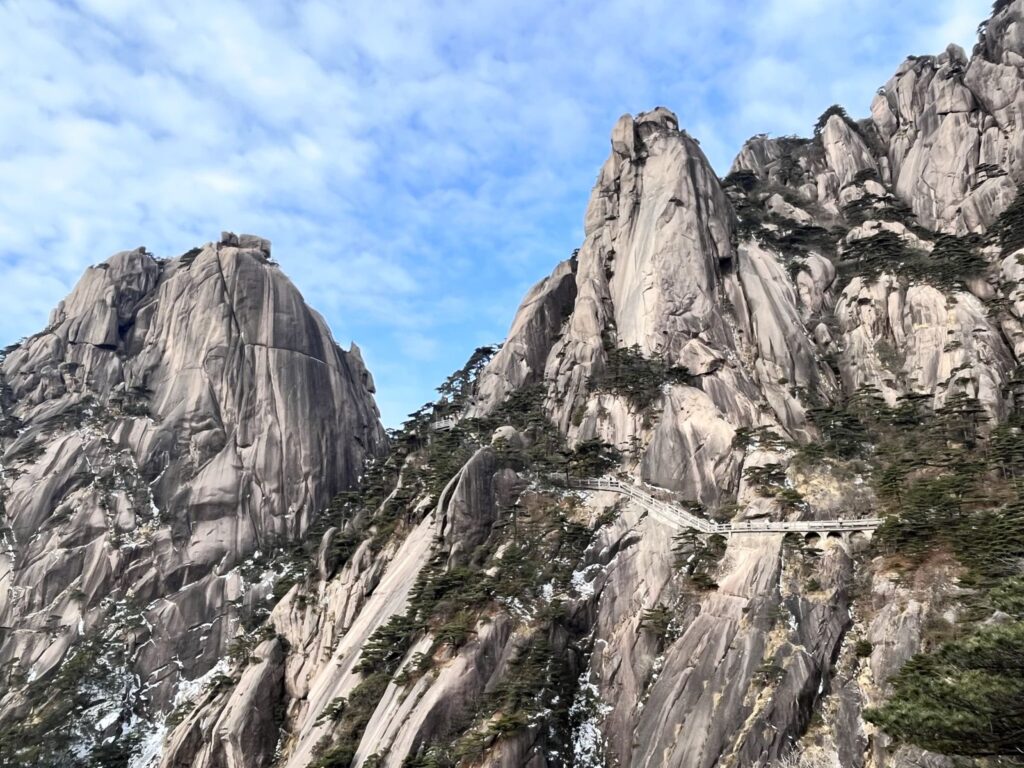
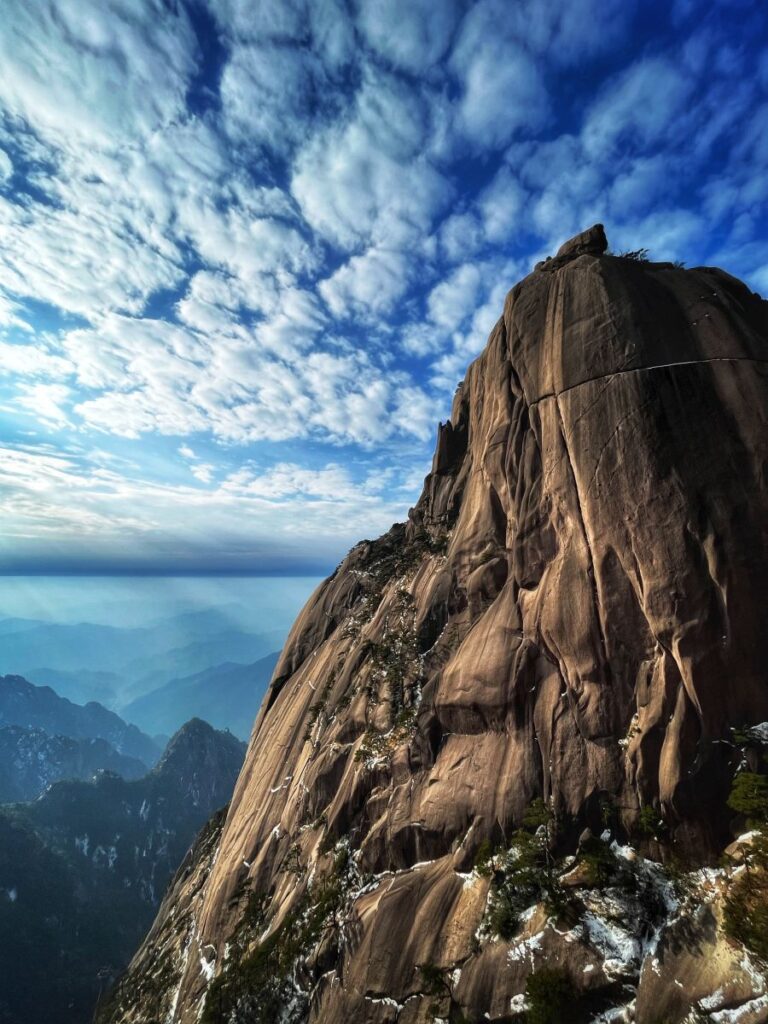
The scenery is breathtaking: granite peaks rise out of a sea of clouds, twisted pine trees cling to vertical rock, and the sunset paints the cliffs yellow.
I went there in January and it was freezing! I’m a mountaineer, so I decided to explore on foot, but it was very cold!
You can take a cable car up, but the real magic is walking the stone staircases between the peaks. Stay at least one night on the mountain so you can catch both sunset and sunrise, when the clouds fill the valleys below you. Here is my full guide on hiking the Huangshan Mountains with routes and tips.
How to get to the Huangshan Mountains?
FLIGHT: The best platform to book your flights in China is Trip.com. The flight from Beijing Capital International Airport to Huangshan Tunxi Airport is only 2 hours. Huangshan Tunxi International Airport (TXN)
TRAIN: The bullet train takes only 6 hours to get from Beijing to Huangshan, speeding at 306 km/h. It operates from Beijing South Railway Station, arriving at Huangshan North Railway Station. Again, book on Trip.com. Price around $85.
NOTE: book your flights/train tickets well in advance!! Train tickets in China are in huge demand; this is the main transportation for locals.
Where to stay in the Huangshan Mountains?
Picking up your place is the most important part of the planning – stay in the city centre; it’s easy to catch any transport and find local restaurants.
Kunlun International Youth Hostel – the backpackers hostel was the greatest place to stay Tangkou Town (which is a short ride from the main Bus Station in Huangshan).

Sunrise over the Yellow Mountains.
Many visitors come here to witness a spectacular sunrise over the Yellow Mountains. However, the mountain accommodation is not the cheapest, it can come up to few hundreds of dollars per night. The most popular mountain hotel is 4*star Huangshan Baiyun Hotel. You can browse all the accommodation options on Agoda.com.
RECOMMENDED HOTELS IN TANGKOU:
RECOMMENDED HOTELS IN TUNXI:
- Mild Spring Boutique Hotel ~ $80/per night
- 5*star DW Hotel Huangshan~$65/per night
- Crowne Plaza Huangshan Yucheng.
RECOMMENDED HOTELS IN HUANGSHAN:
2. Zhangjiajie National Forest & World's Highest Glass Bridge, Hunan
Zhangjiajie National Park is famous for thousands of sandstone pillars, some over 200 metres tall, rising from a subtropical forest like a petrified army.
It’s one of the most surreal landscapes on Earth and one of the top places to see in China for hiking.
Climb to the viewpoints for the classic shot.
Tianmen Mountain is right next door in Zhangjiajie city.
But the most spectacular experience in Zhangjiajie is walking the world’s highest Glass Bridge suspended between 2 mountains. For this thrilling experience book tickets in advance on Klook.com.
- Length: 430 meters (1410 feet)
- Height: 300 meters (984 feet)

How to get: Here is all you need to know about how to get to the Zhangjiajie Glass Bridge and live the adventure!
Insider tip: avoid Chinese public holidays, when the trails turn into human traffic jams.
Recommended tours:
Bungee jumping at Zhangjiajie Glass Bridge is the highest bungee platform in the world!
The platform is available in the middle of the glass bridge. The experience cost around $400. Good luck!
3. Lijiang Old Town & Jade Dragon Snow Mountain.
Lijiang is one of the most magical places I’ve seen. Similar to the ancient Hoi Ann in Vietnam, but even more authentic and beautiful.
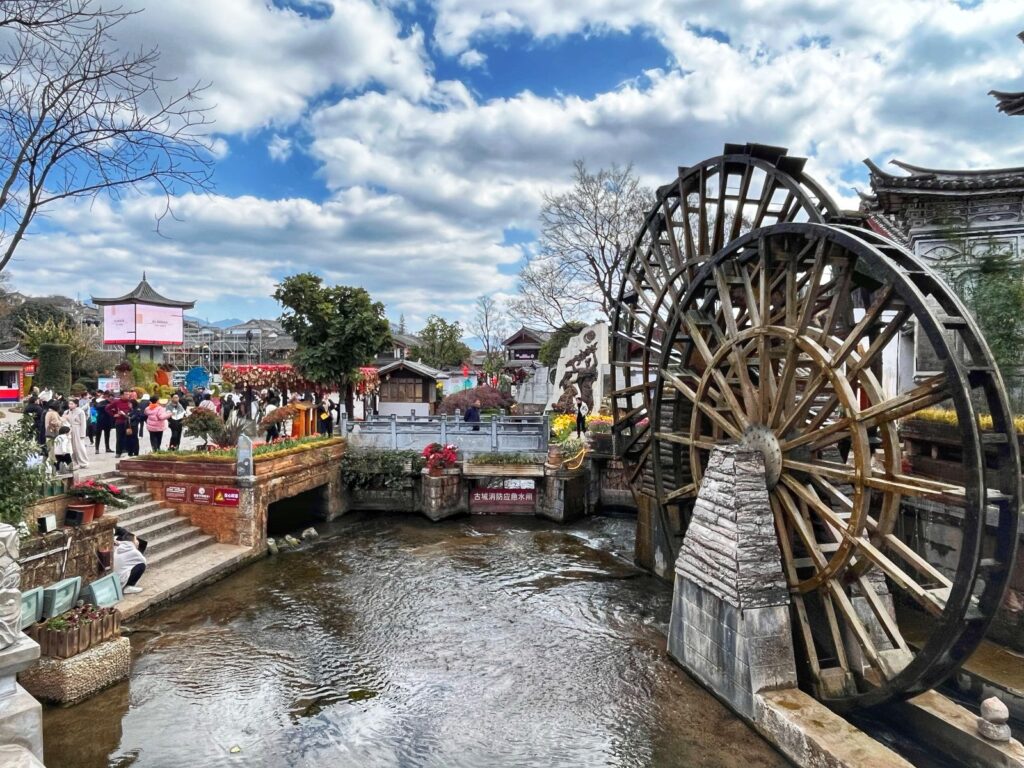
Lijiang is the perfect base for exploring northern Yunnan. Its UNESCO-listed Old Town is a maze of cobbled lanes, canals and wooden Naxi houses, with the snowy peak of Jade Dragon Snow Mountain towering above it all.
The Old Town gets busy during the day, so go early in the morning or late evening, then escape to the quieter villages of Baisha and Shuhe, where Naxi elders still wear traditional dress.
Jade Dragon Snow Mountain.
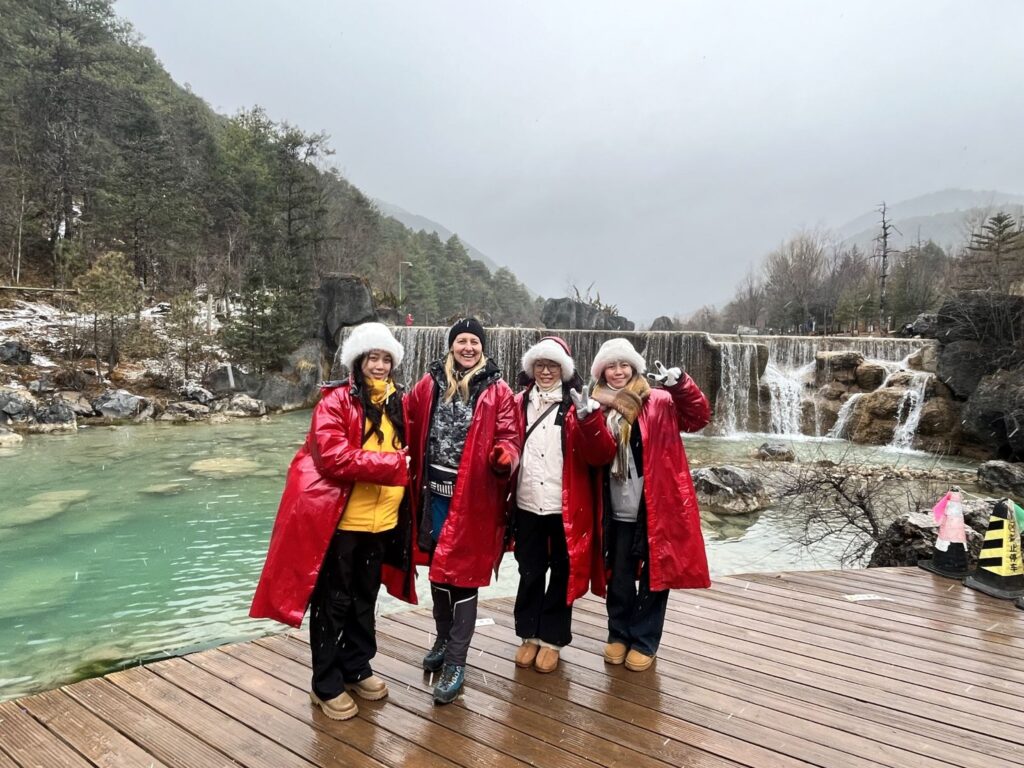
For mountain lovers, a cable car climbs Jade Dragon Snow Mountain to around 4,500 metres, and the glacial pools of Blue Moon Valley sit at its foot.
For mountain lovers, Jade Dragon Snow Mountain is one of the top places to see in China. It’s a whole experience, as you cannot climb or hike it – as I would normally do – you need to take a cable car instead and then follow wooden paths if you want to explore it more. The scenery is unbelievably beautiful!
4. Harbin, Heilongjiang.
If you love winter adventures, Harbin is China at its most magical, and its coldest.
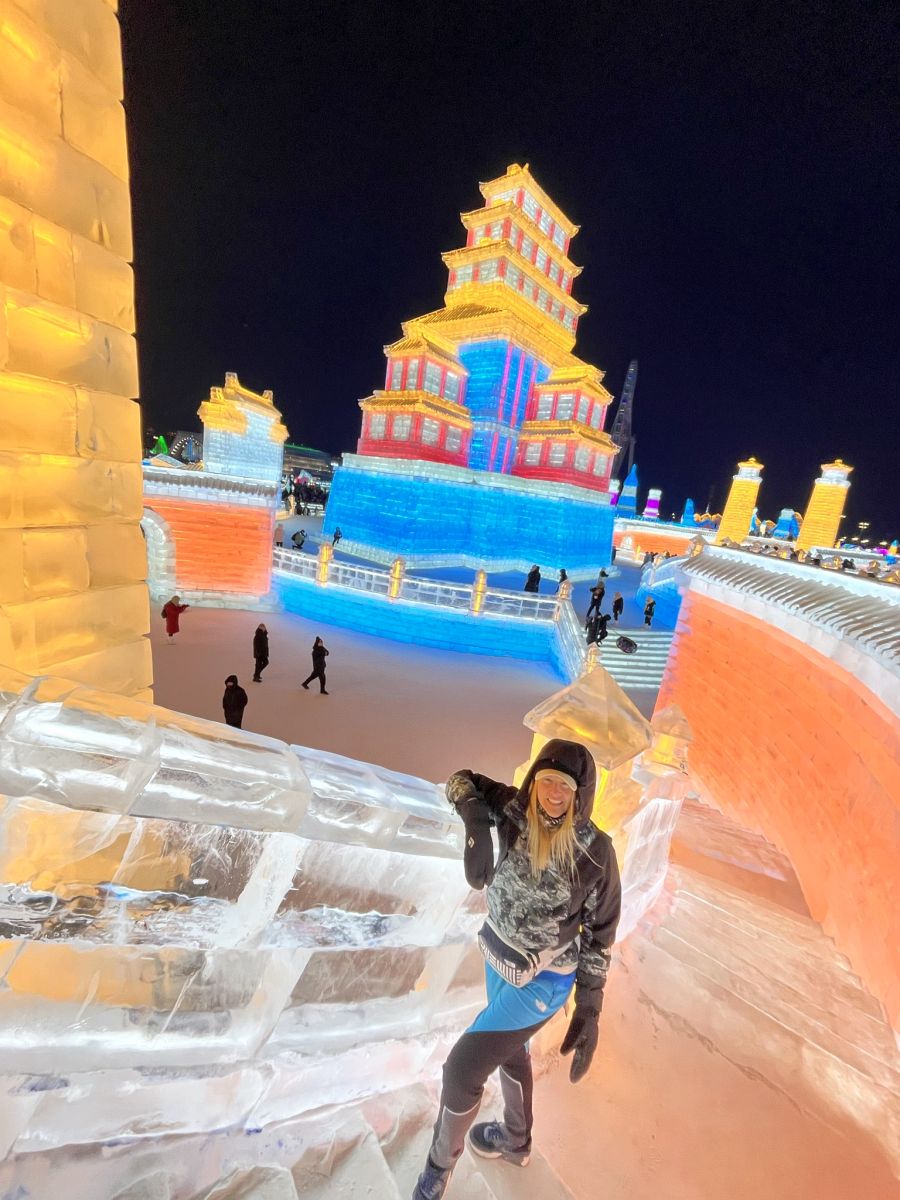
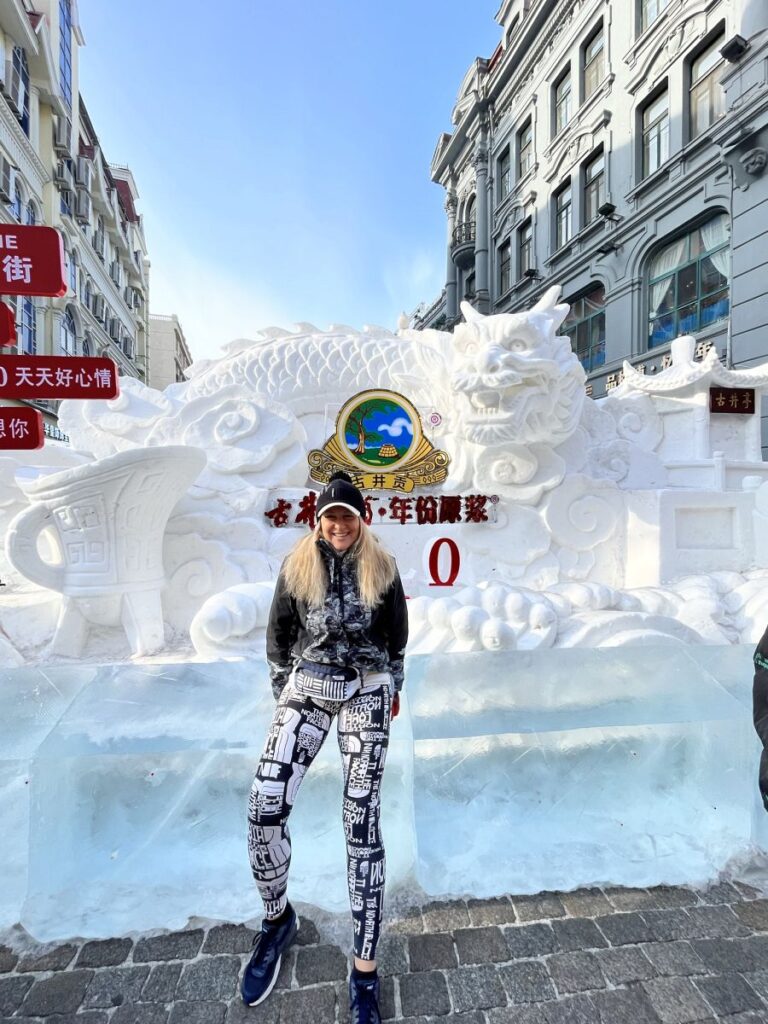
Every winter the city builds the Harbin Ice and Snow World (Get Entry Tickets in advance) a glowing city of palaces, towers and slides carved from blocks of ice from the frozen Songhua River. Harbin Ice & Snow Festival is one of the most magical places to see in China and the whole world!
Beyond the ice, Harbin has a unique Russian heritage. Walk Central Street with its European facades, visit the onion-domed St Sophia Cathedral, and see locals skating and sledging on the frozen river. On Sun Island, the snow sculpture park shows enormous, delicately carved artworks.
Here are the most incredible things to see in China – Harbin City.
- How to get there: fly to Harbin or take the high-speed train from Beijing, around 5–6 hours. Or take a flight, arou nd 2 hours.
- Best time: the Ice and Snow World usually runs from late December to February.
- Insider tip: temperatures can drop below –20°C (even to -30!). Bring hand warmers and a power bank, because phone batteries die fast in the cold. Bring the warmest gloves, triple socks and wear a few layers and the warmest jacket you have. You’ll thank me later 😉
Where to stay in Harbin? I can highly recommend staying in Fuyihao International Youth Hostel, located at No. 1 Hongxia Street, Daoli. The place is comfy and friendly and it’s located just next to the main street – the center of all the amazing attractions and entertainment.
Few top budget-friendly and super comfy accommodation picks:
- Extremely popular and high rated James Joyce Coffetel Harbin Central Street.
- Exceptional Vienna Hotel Harbin Haxi High-Speed Railway Station Wanda Plaza.
- 4 star Zmax Hotel·Harbin Bingxue Big World.
- Browse all Harbin accomodations.
2 best tour options:
5. Phoenix Ancient Town (Fenghuang), Hunan.
You just landed in a fairy tale! Try to spend 2-3 days in Phoenix Ancient Town.
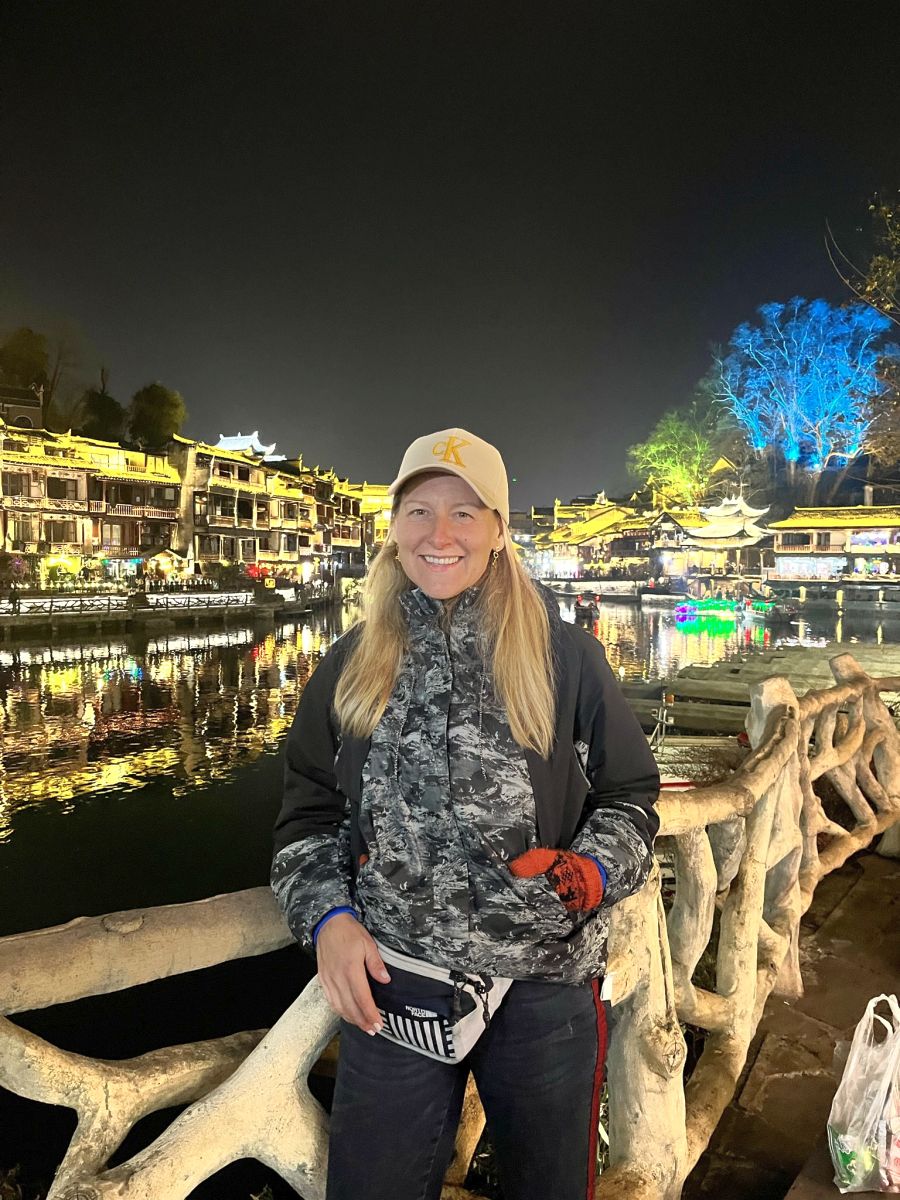
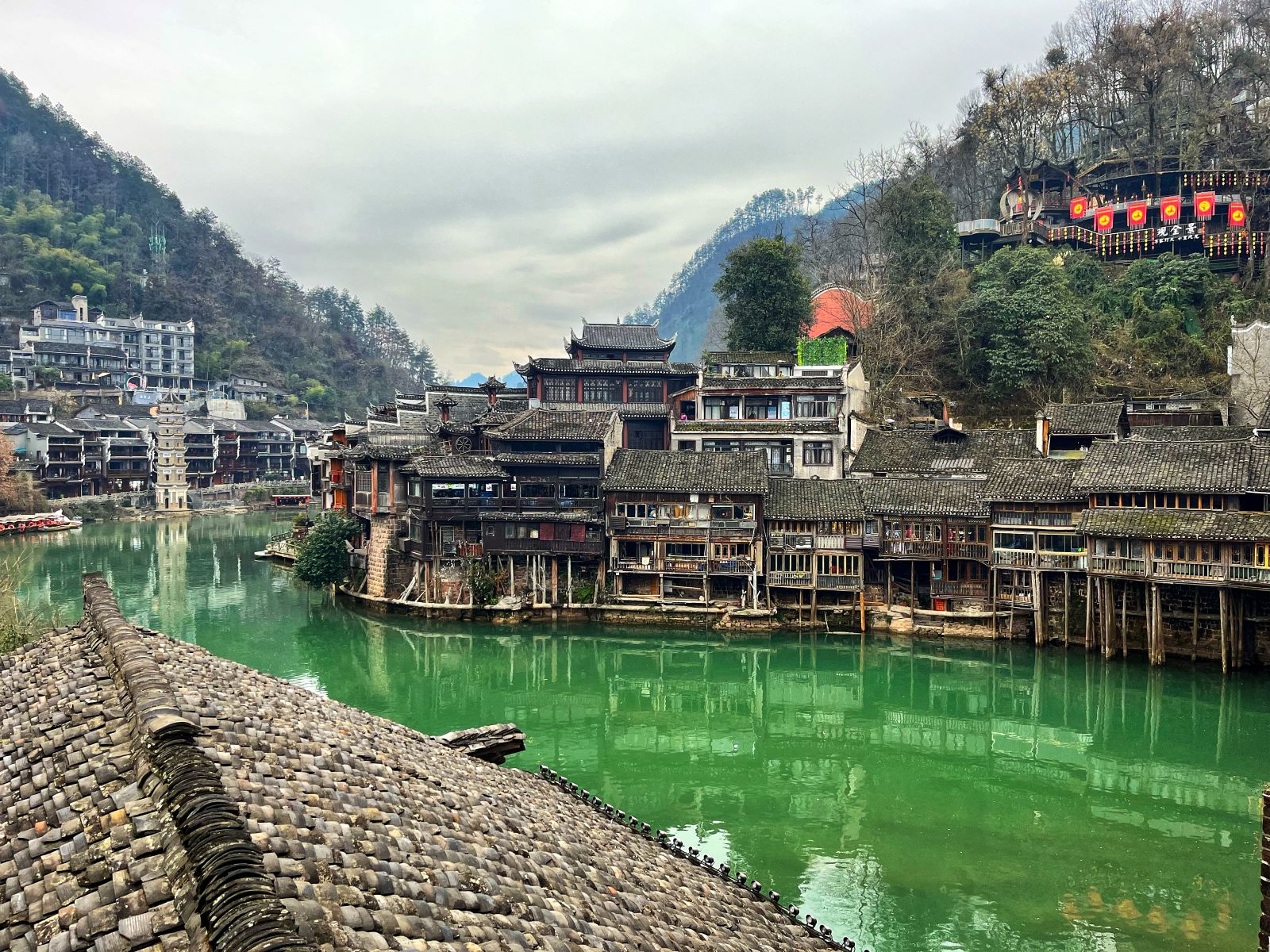
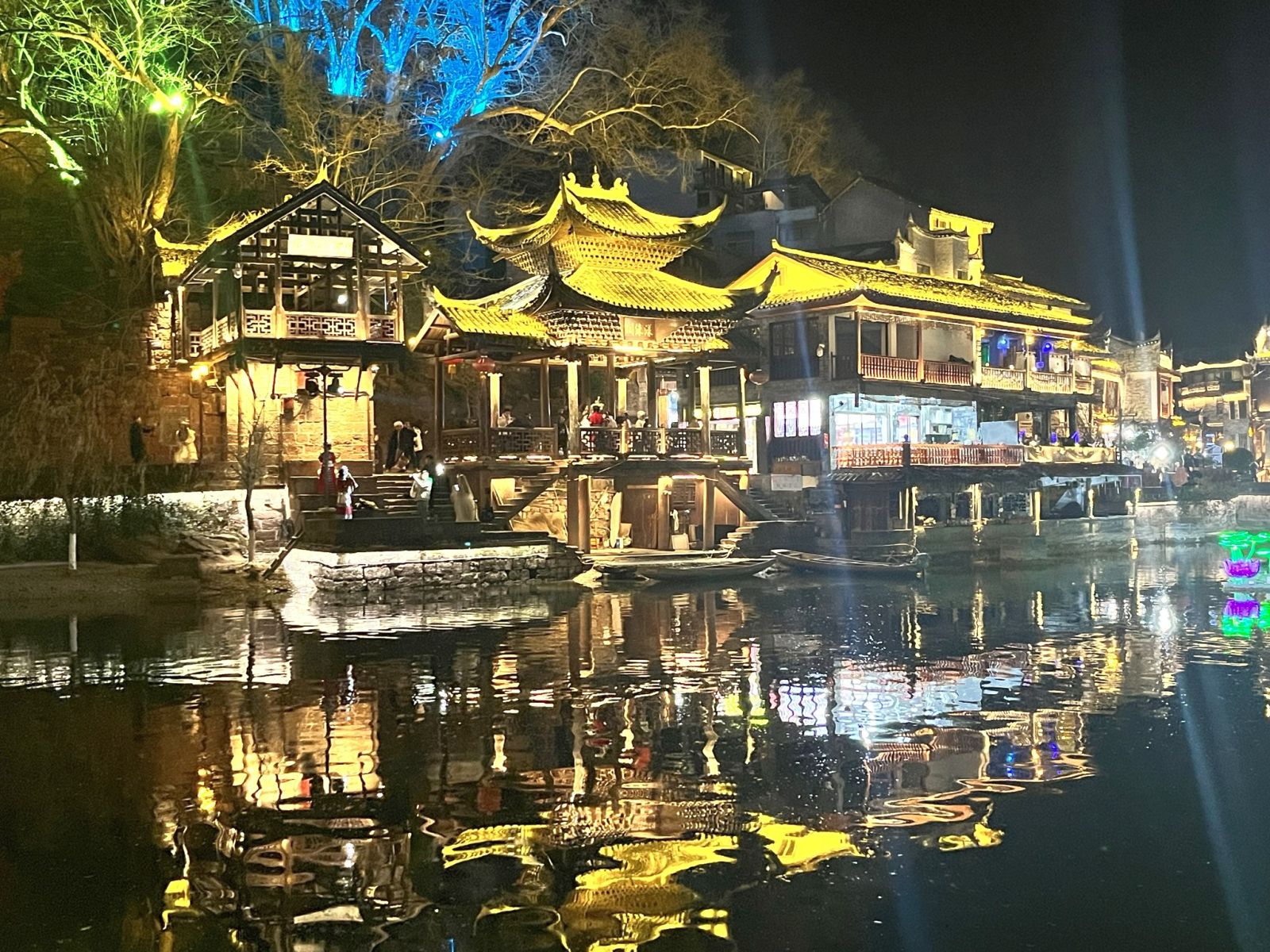
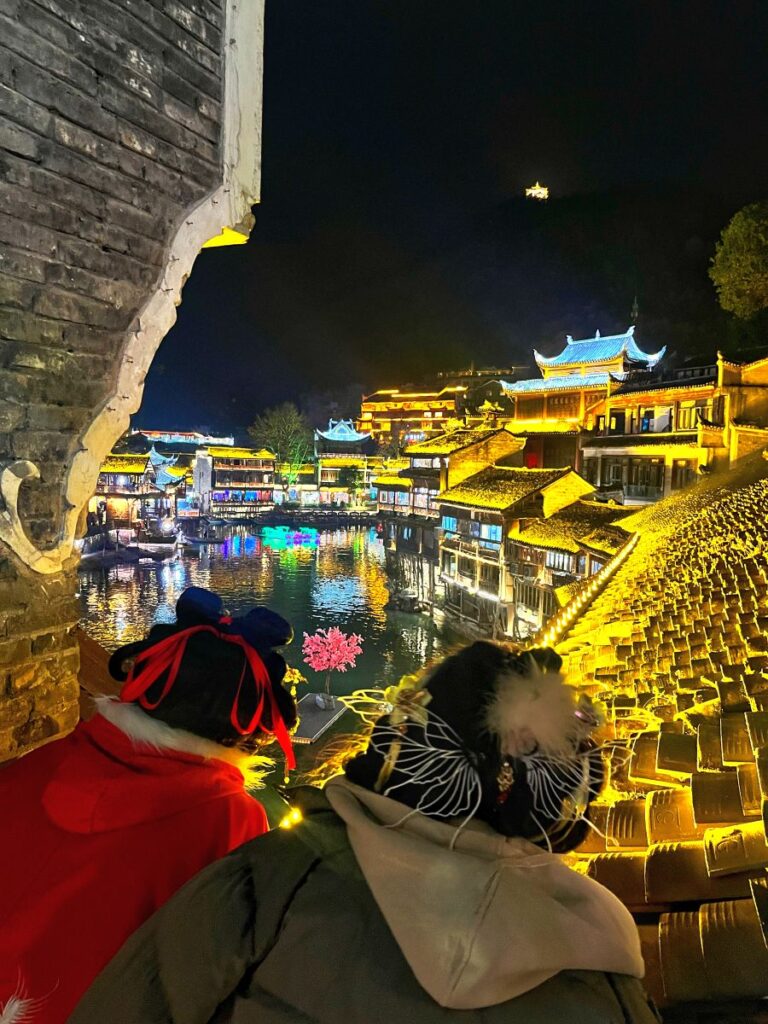
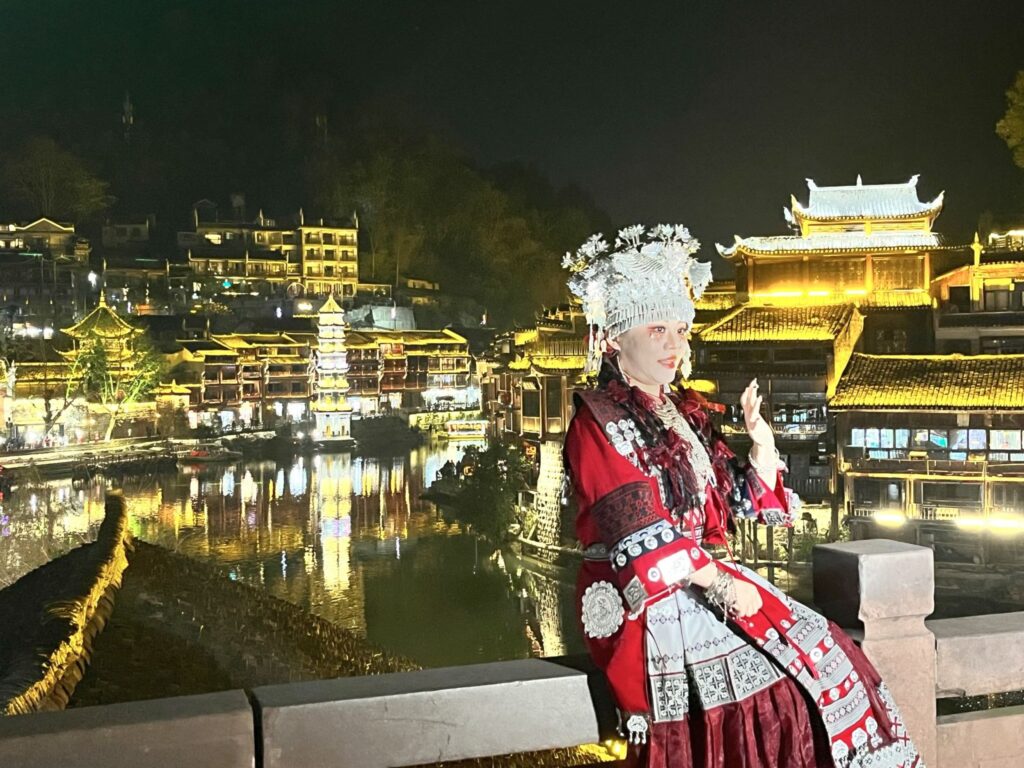
Phoenix Ancient Town looks like a film set, but people really live here. Wooden stilt houses lean over the Tuojiang River, red lanterns glow at night, and stepping stones let you cross the river between the old town’s two banks.
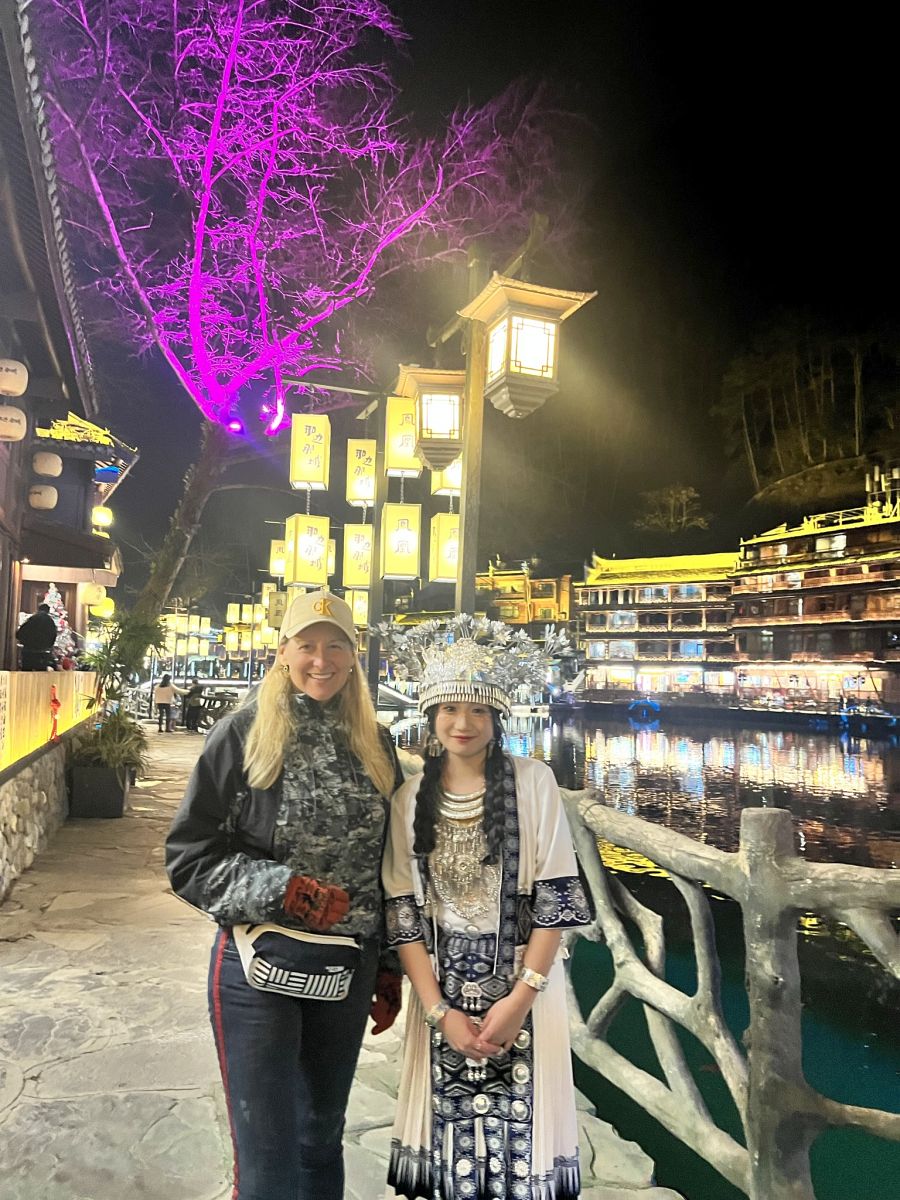
Fenghuang is home to the Miao and Tujia minorities, and you’ll see women in embroidered dress selling silver jewellery and local snacks. Wander the lanes at dawn, take a small boat along the river, and visit the nearby Southern Great Wall, built during the Ming dynasty.
MY TOP TIP: Find a mobile food cart that sets up at night, usually by a local lady; she will prepare customised noodles, soups, and skewers with fresh ingredients you choose.
- How to get there: high-speed train from Zhangjiajie West to Fenghuang Ancient Town station, then a short taxi ride.
- Time needed: 2-3 days. It combines perfectly with Zhangjiajie and Tianmen Mountain.
- Insider tip: stay overnight. The town is at its most beautiful once the day-trippers leave and the riverside lights come on.
6. Hongcun & Xidi Ancient Villages, Anhui.
Just an hour from Huangshan City lie two UNESCO-listed villages that feel frozen in time. You can;t miss ne of the oldest places in China – Hongcun, which sits by a river that mirrors its white-washed Ming and Qing dynasty houses, and the crescent-shaped Moon Pond is one of the most photographed spots in Anhui.
I visited in January, when the river was frozen and the village was almost empty. I wandered narrow lanes, tried almost every street food stall, and was asked for so many photos by friendly locals that a queue formed. The baked horse chestnuts here were the best I’ve ever eaten.
Nearby Xidi is famous for its carved wooden lattice windows, and Lucun is quieter and surrounded by bamboo groves.

- How to get there: local bus from Huangshan City Bus Station to Yixian, then a short bus to Hongcun. I paid 20 yuan. Full details are in my guide on how to get to Hongcun Ancient Village.
- Mistake to avoid: on the way back, ask for Huangshan City, not just “Huangshan”. Otherwise you’ll get a ticket to the Yellow Mountains. I nearly did!
- Stay: sleep in a traditional guesthouse inside the village to see it at dawn without tour groups.
7. Tiger Leaping Gorge, Yunnan.
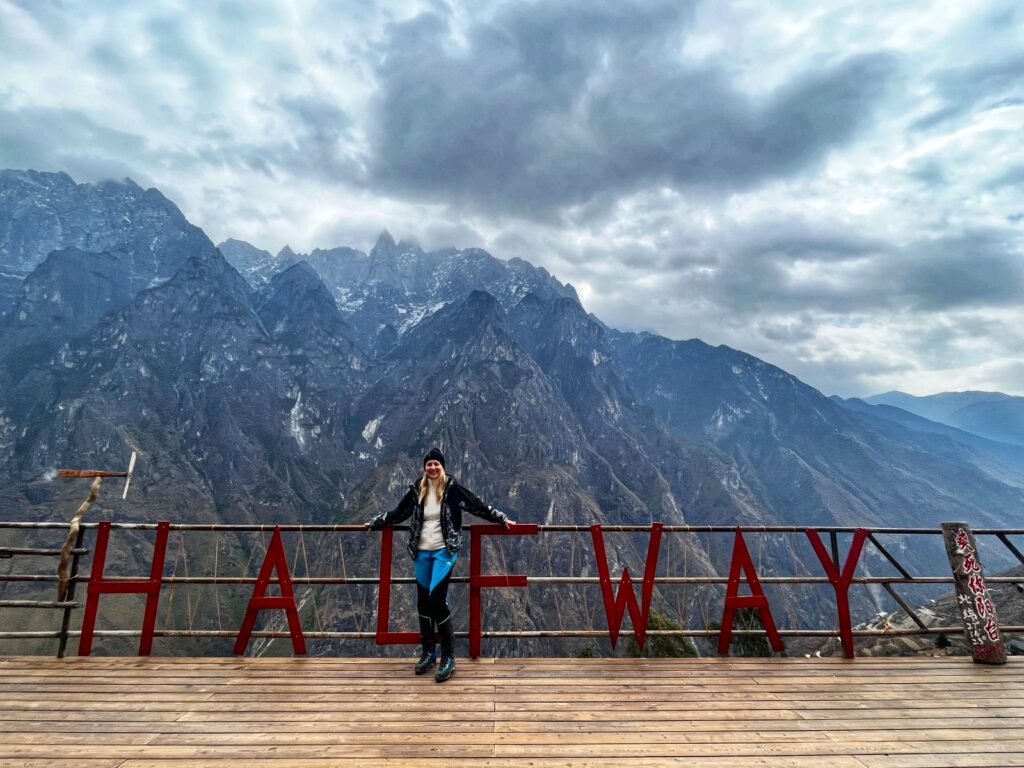
For trekkers, this is the crown jewel of China. Tiger Leaping Gorge is one of the deepest river gorges in the world, with the Jinsha River roaring between Jade Dragon Snow Mountain and Haba Snow Mountain, which rise thousands of metres above it.
The High Trail takes about two days and roughly 22 km, climbing the famous 28 Bends before contouring along the cliffs. You sleep in family-run guesthouses with terraces overlooking the gorge. It’s the kind of route where you meet Naxi farmers on their way to the fields and share dinner with trekkers from all over the world.
Here is my full guide on Hiking Tiger Leaping Gorge in China.
Base yourself in Lijiang (see #6 below) and add the quieter village of Shaxi, an ancient Tea Horse Road stop where Bai culture is still very much alive.
- How to get there: fly or take the train to Lijiang, then a 2-hour bus to Qiaotou, the trailhead.
- Time needed: 2 days for the trek, 5–6 days for the whole region.
- Insider tip: leave your big bag at a guesthouse in Qiaotou and trek light.
8. The Wild Great Wall at Jiankou, Beijing.
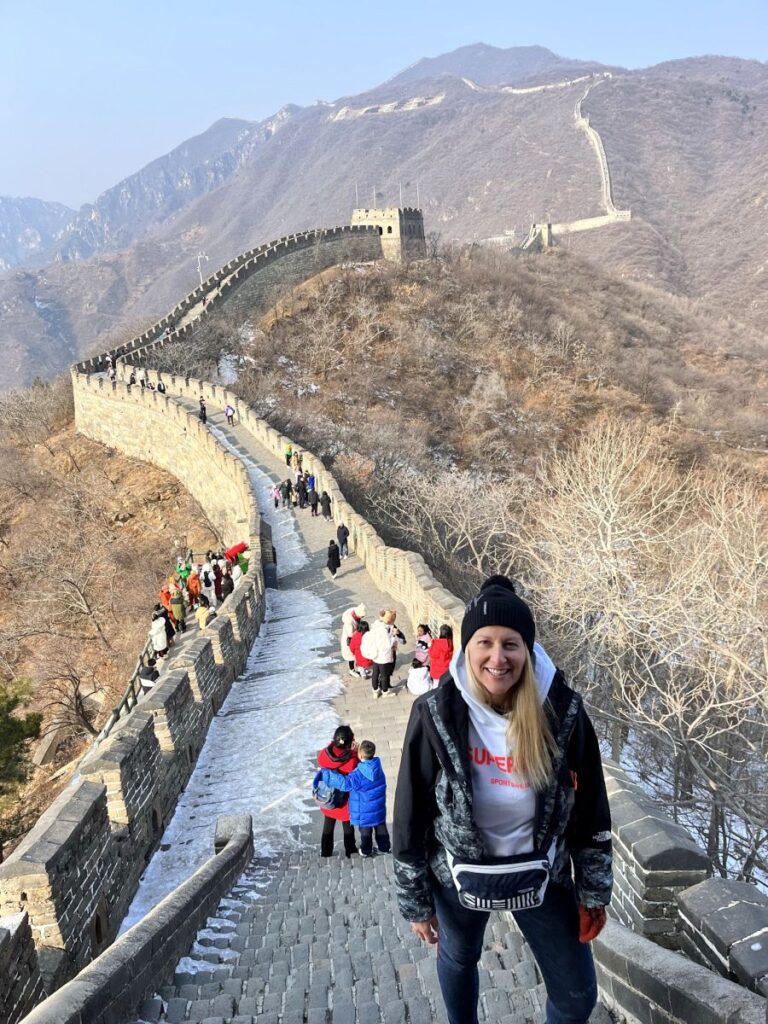
Forget the crowds at Badaling. Jiankou is the Great Wall as it really looks after 500 years: crumbling watchtowers, steep broken steps and ridgelines snaking over the mountains north of Beijing.
The classic route hikes the wild Jiankou section and continues to the restored Mutianyu stretch, where you can take a toboggan back down. It’s steep and exposed in places, so good boots and a head for heights are a must. Parts of the unrestored wall are officially restricted, so check current access and consider going with a local hiking guide.
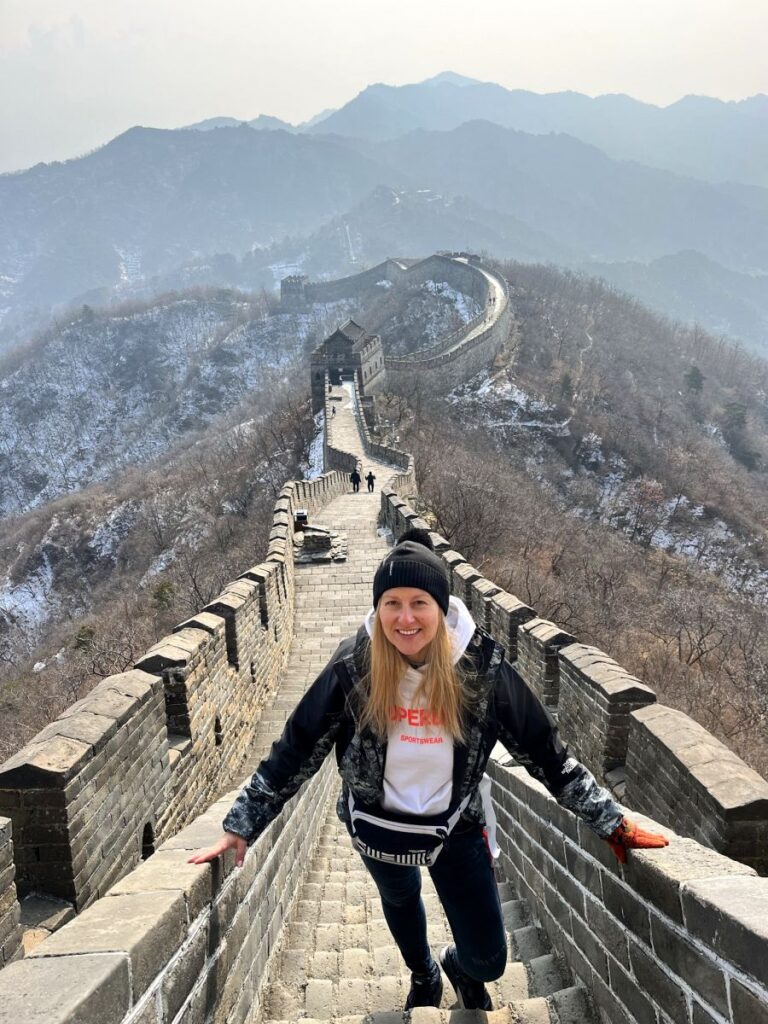
- How to get there: private driver or hiking tour from Beijing, about 2 hours.
- Time needed: one full day.
- Insider tip: start at sunrise for empty towers and soft light on the ridges.
9. Tianmen Mountain, Hunan.
Tianmen Mountain is pure adrenaline. It starts with one of the world’s longest cable cars, rising roughly 7 km from the centre of Zhangjiajie city to the summit, gliding over villages, forests and cliffs.
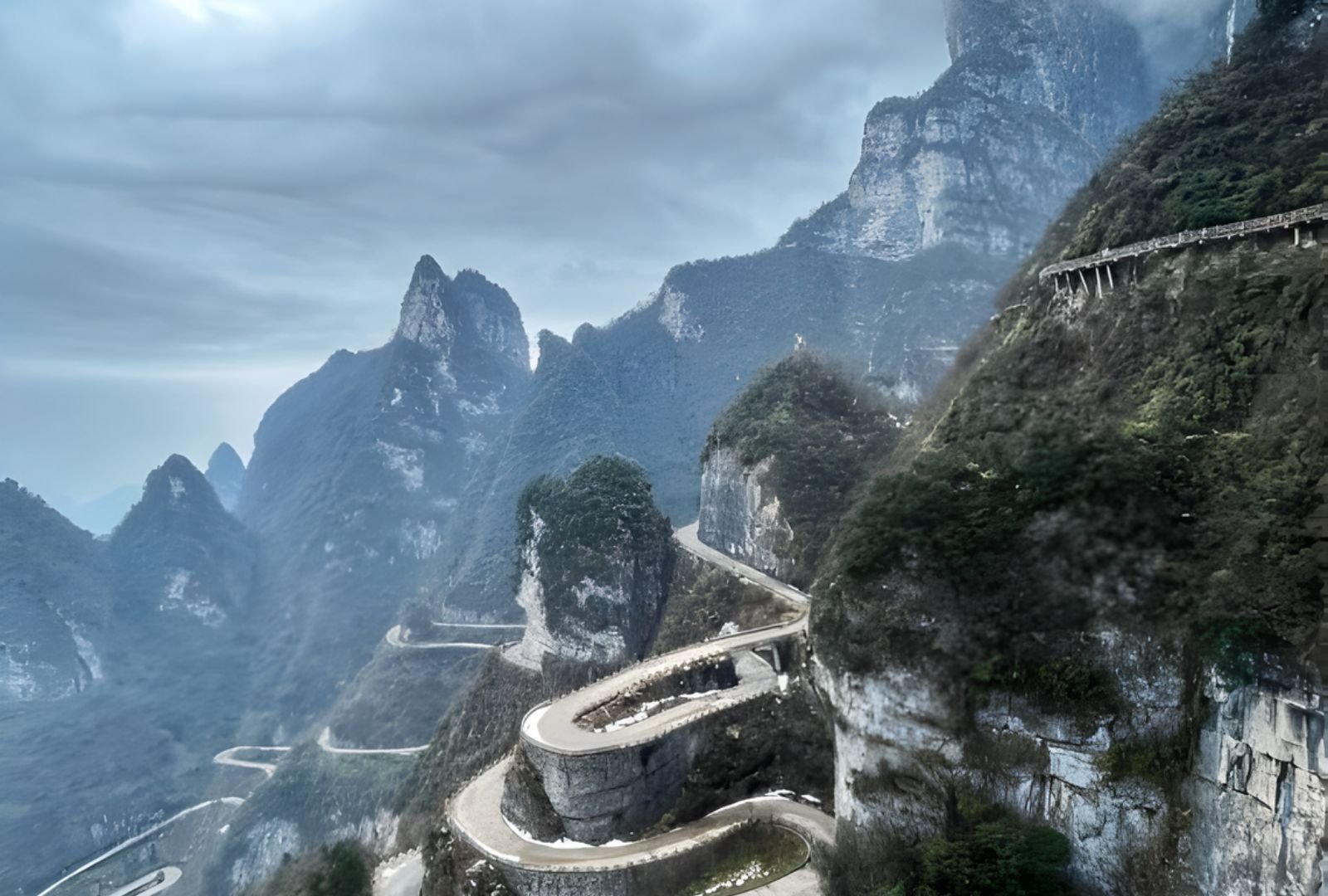
At the top, glass skywalks hang off sheer rock faces, and the cliff-side paths offer endless views. The highlight is Tianmen Cave (Heaven’s Gate), a huge natural arch in the mountain reached by a staircase of 999 steps. The road up, known as the 99 Bends, is one of the most dramatic mountain roads in China.
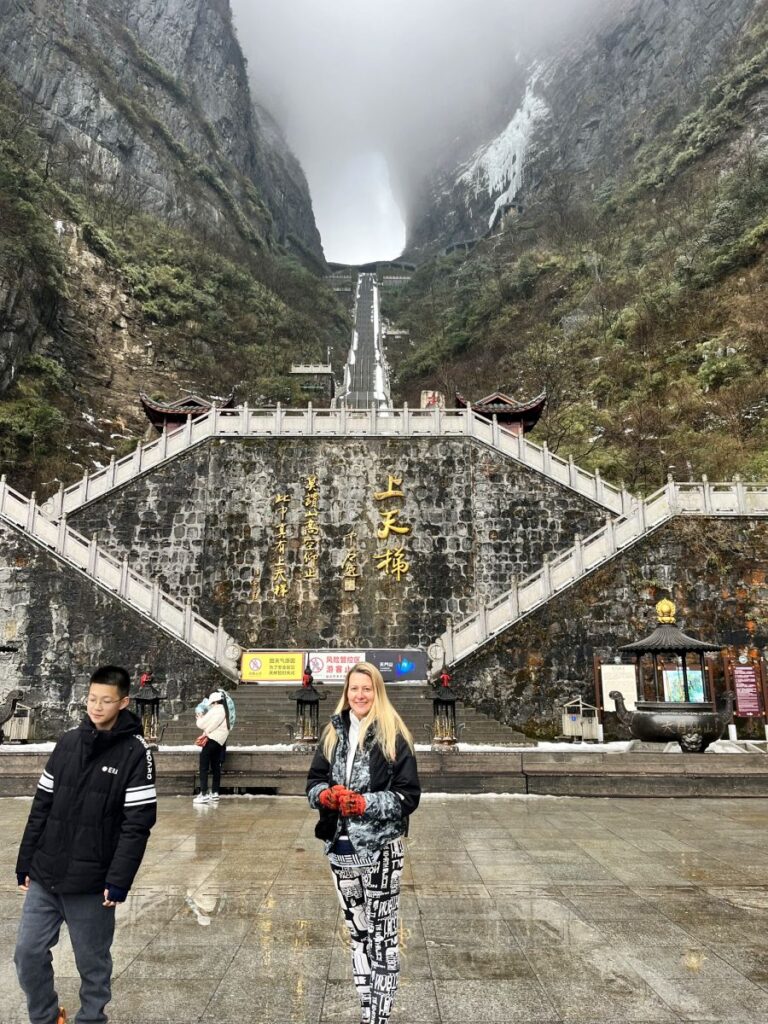
- How to get there: the cable car station is in central Zhangjiajie, a short taxi ride from Zhangjiajie West station.
- Time needed: one full day.
- Insider tip: check which route your ticket covers. Taking the cable car up and the bus down the 99 Bends lets you experience both.
10. HONG-KONG!
Hong Kong surprises everyone who thinks it’s only skyscrapers. About 40% of its land is protected country parks, and some of Asia’s best urban hikes start a short metro ride from the city centre.
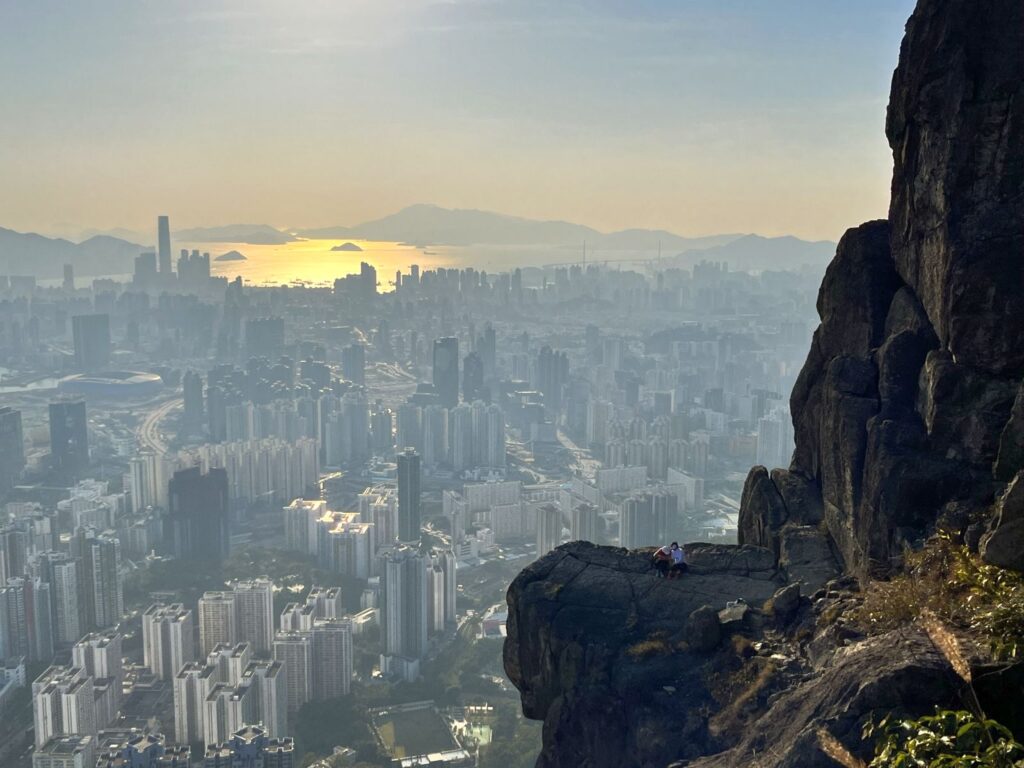
My no 1 of the places to see in China is Hong Kong Skyline! Honestly, it’s because of the Suicide Cliff hike. One of the most breathtaking places in Chine for hiking.
Hike the Dragon’s Back trail for coastal views, climb Lion Rock for a panorama over Kowloon, or catch sunrise from Lantau Peak before visiting the Big Buddha. I spent time chasing the city’s most spectacular viewpoints. Here’s how I found the best view of the Hong Kong skyline.
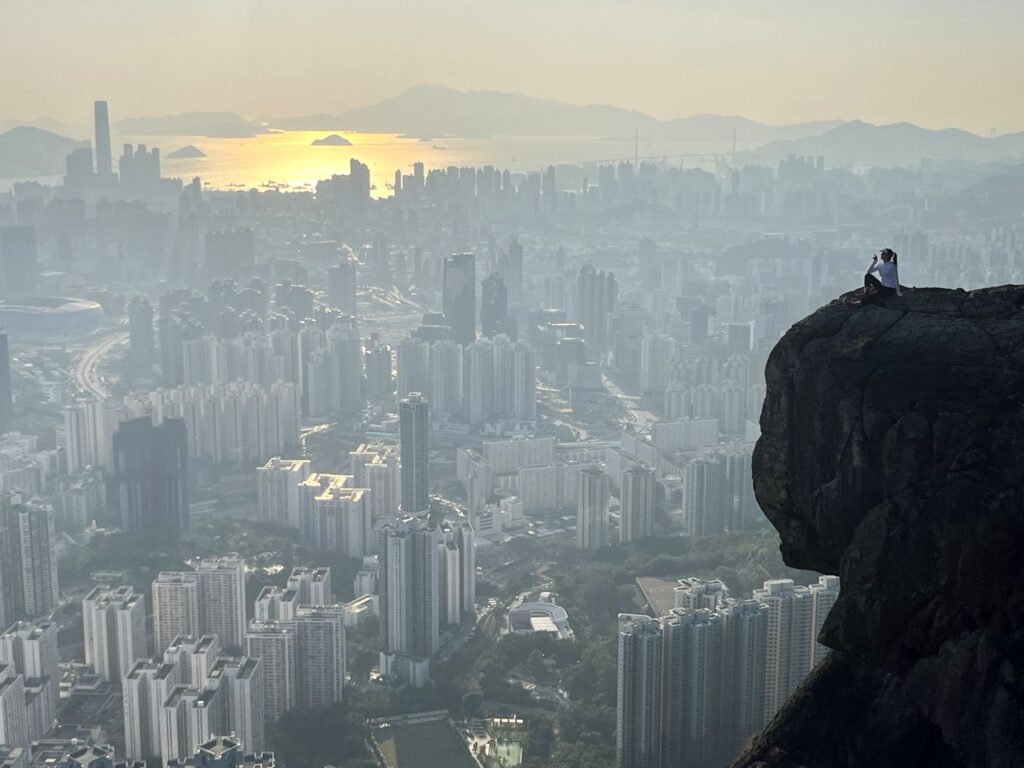
- How to get there: high-speed train from mainland China to West Kowloon, or fly in directly. It’s a great start or end point for a China trip.
- Time needed: 3–5 days (I loved Hong Kong!)
- Insider tip: Hong Kong has its own entry rules, separate from the mainland China visa-free policy, so check them before you go. Get an Octopus card for all public transport.
Practical China Travel Tips.
- Payments: cash is rarely used. Download Alipay and WeChat, link your foreign Visa or Mastercard, and you can pay almost everywhere, from street food stalls to train tickets. Still carry a little cash for remote villages.
- Internet: Google, Instagram, WhatsApp and Gmail are blocked. Set up a reliable VPN or an eSIM with roaming data before you arrive.
- Maps and translation: Google Maps is unreliable in China. Use Amap (Gaode) or Apple Maps instead. Google image translator was a lifesaver for me for reading bus station signs and menus, but download the offline Chinese pack first.
- Trains: high-speed trains are fast, clean and punctual. The best online service for booking train and flight tickets in China is TRIP.COM, with easy purchases and cancellations in English. Bring your passport to board.
- Book ahead in busy periods: avoid Chinese New Year and Golden Week (1–7 October) if you can. On summer weekends, hundreds of thousands of domestic travellers take the same buses and trains you do.
- Accommodation: for guesthouses and hotels, browse Agoda. Make sure your hotel accepts foreigners, since a few small places can’t register foreign passports.
- Best time to visit: spring (April–May) and autumn (September–November) work for almost everywhere on this list. Yunnan is great in winter, and Harbin is at its best in the depths of winter.

My biggest tip? Use local buses and talk to people, even with a translation app.
Most people are eager to talk to you once you start.
CHECK HIGHLIGHTS FROM MY CHINA TRIP:
- 7 Wonders of China – the most amazing places in China you didn’t know existed.
- Most incredible things to do in Harbin City China’s polarland.
- How to get to Hongcun Ancient Village from Huangshan City in China.
- Hiking Huangshan Mountains – Avatar Yellow Mountains Scenic Area in China.
- Magic things to see in Phoenix Ancient Town in Fenghuang County in China.
- How to visit Harbin Ice and Snow Festival in China – winter wonderland!
- Magnificent things to do in Tianmen Mountain National Park – the Heaven’s Gate.
- Everything you need to know before visiting the Forbidden City Palace in Beijing.
- How to visit top 10 richest cities in the world without going broke!
- How to get to Zhangjiajie Glass Bridge – the world’s highest and longest skywalk.
- Hiking Victoria Peak in Hong Kong – the iconic peak tram.
2 weeks itinerary for China.
What are the best places to see in China for the first time? For a first trip, combine Beijing and the Great Wall, an ancient town such as Hongcun or Phoenix, and one nature region such as Huangshan or Zhangjiajie. This mix gives you history, culture and China’s incredible mountain landscapes in about 10–14 days.
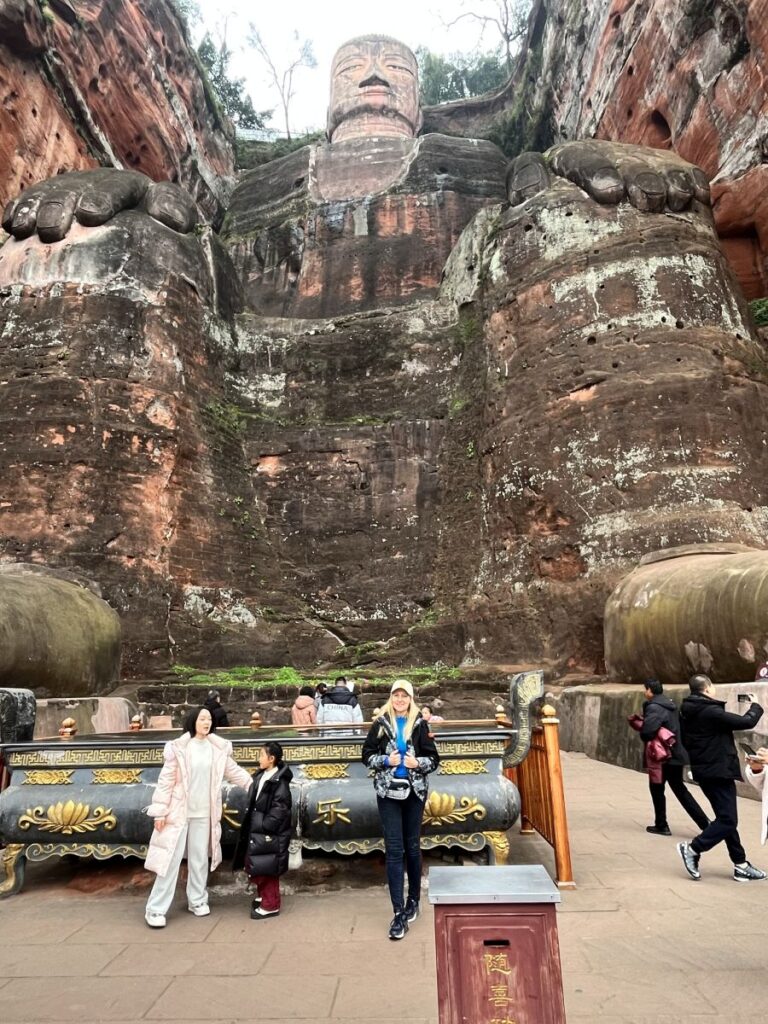
Is China safe for solo female travellers? In my experience, yes. China felt very safe travelling solo, including on local buses and in small villages. Locals were curious and helpful, and the biggest challenge is the language barrier, which a translation app solves.
How many days do you need in China? Ten days is enough for one or two regions. Two weeks lets you add a multi-day trek, and the full 30 visa-free days let you combine Harbin in the north with Hunan, Yunnan and Hong Kong in the south.
Can I use my credit card in China? Yes, by linking a foreign Visa or Mastercard to Alipay or WeChat Pay. Many small shops don’t accept cards directly, so mobile payments are essential.
For more inspiration, explore all my China travel guides.
Note: This post may contain affiliate links, which come at absolutely no cost to you. I may earn a small commission on sales generated through this website, which helps me keep sharing travel guides and inspiration. I only recommend sites I actually use. Thank you for your support!