The Cardamom Mountains were one of the most incredible journeys across the country. This relatively untouched region in Cambodia offers a playground for adventurous travellers, and driving through the unknown brought us lots of crazy and unexpected adventures. Getting to the Cardamom Mountains is already an adventure in itself. Here is a full guide on how to visit the Cardamom Mountains in Cambodia with detailed advice and recommendations for safe travels If you are into wild expeditions, you will love this trip!
How to visit Cardamom Mountains?
STARTING POINT: Koh Kong city can be your starting point for your trip – it’s a gateway to the spectacular region of the Cardamom Mountains – an unspoiled, pure and undiscovered piece of nature. Read how I got through a land border from Thailand to Cambodia.
From Koh Kong, you can arrange for transportation to take you deeper into the wilderness, where the real magic of the Cardamom Mountains awaits.
There are a few ways to visit the Cardamom Mountains:
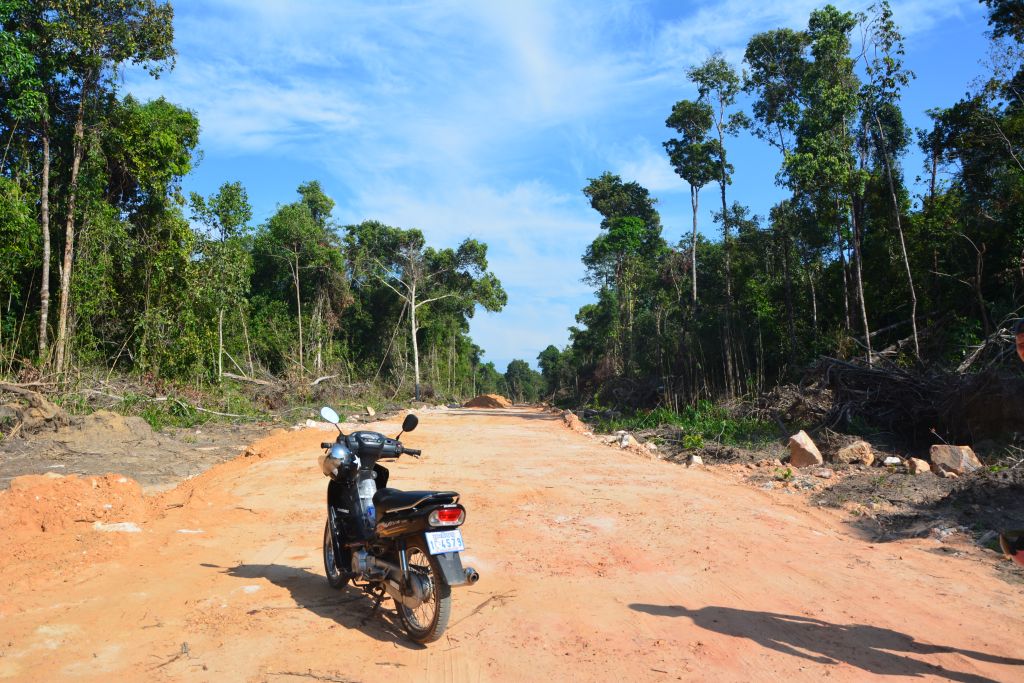
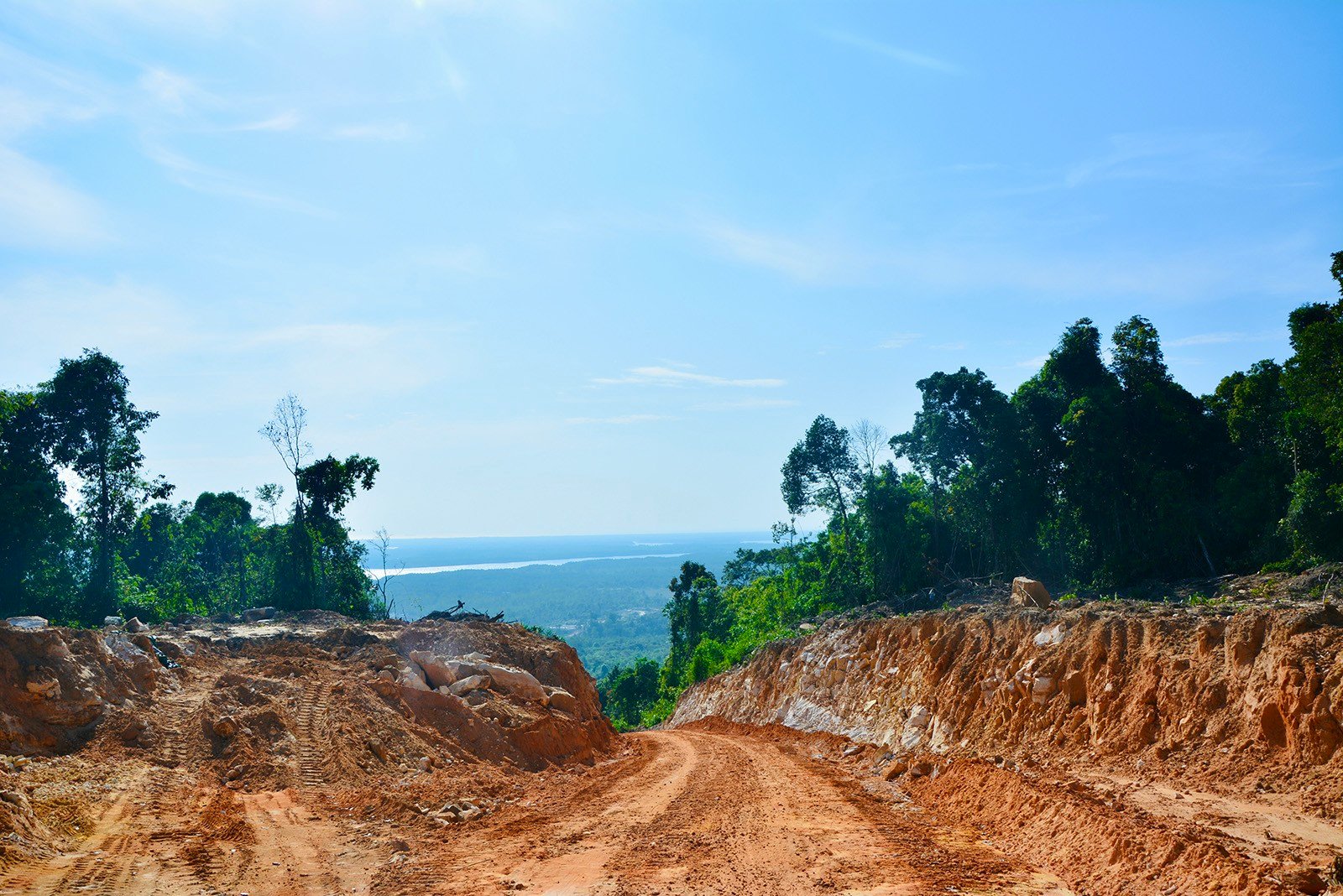
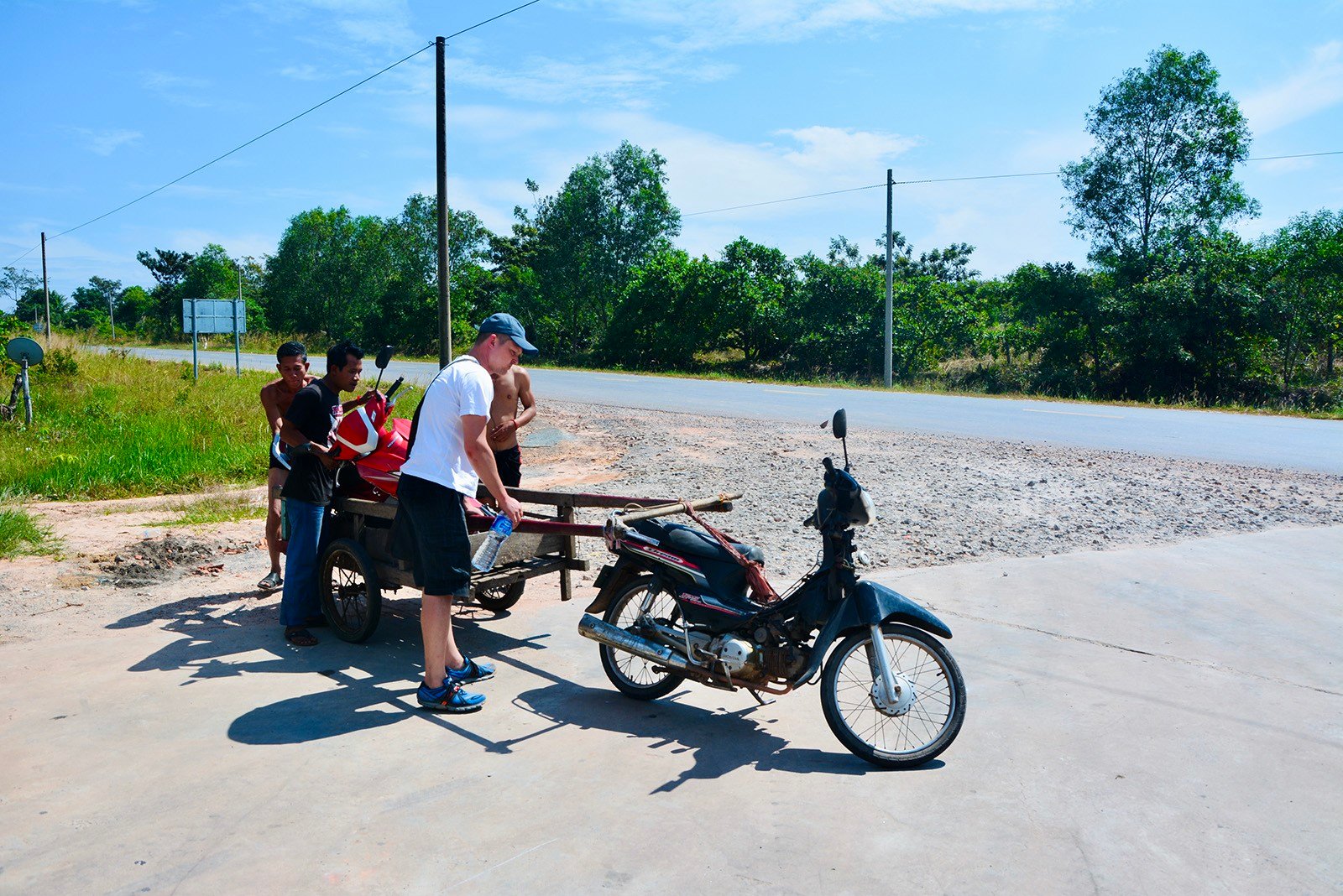
- Rent a motorbike – it’s a very convenient way of traveling and gives you lots of freedom in terms of time and itinerary while exploring the Cardamom Mountains. But I would advice to pick a solid rental company – your motorbike needs to be in great condition, as the terrain is not easy to drive. There are a lot of gravel roads where you need good tyres. It’s the last place you want your motorbike to break down – like OURS!! ;)))
- Book a local tour and explore the area with a guide.
- The Cardamom Mountains are an ideal destination for hiking or trekking enthusiasts.
Where are the Cardamom Mountains?
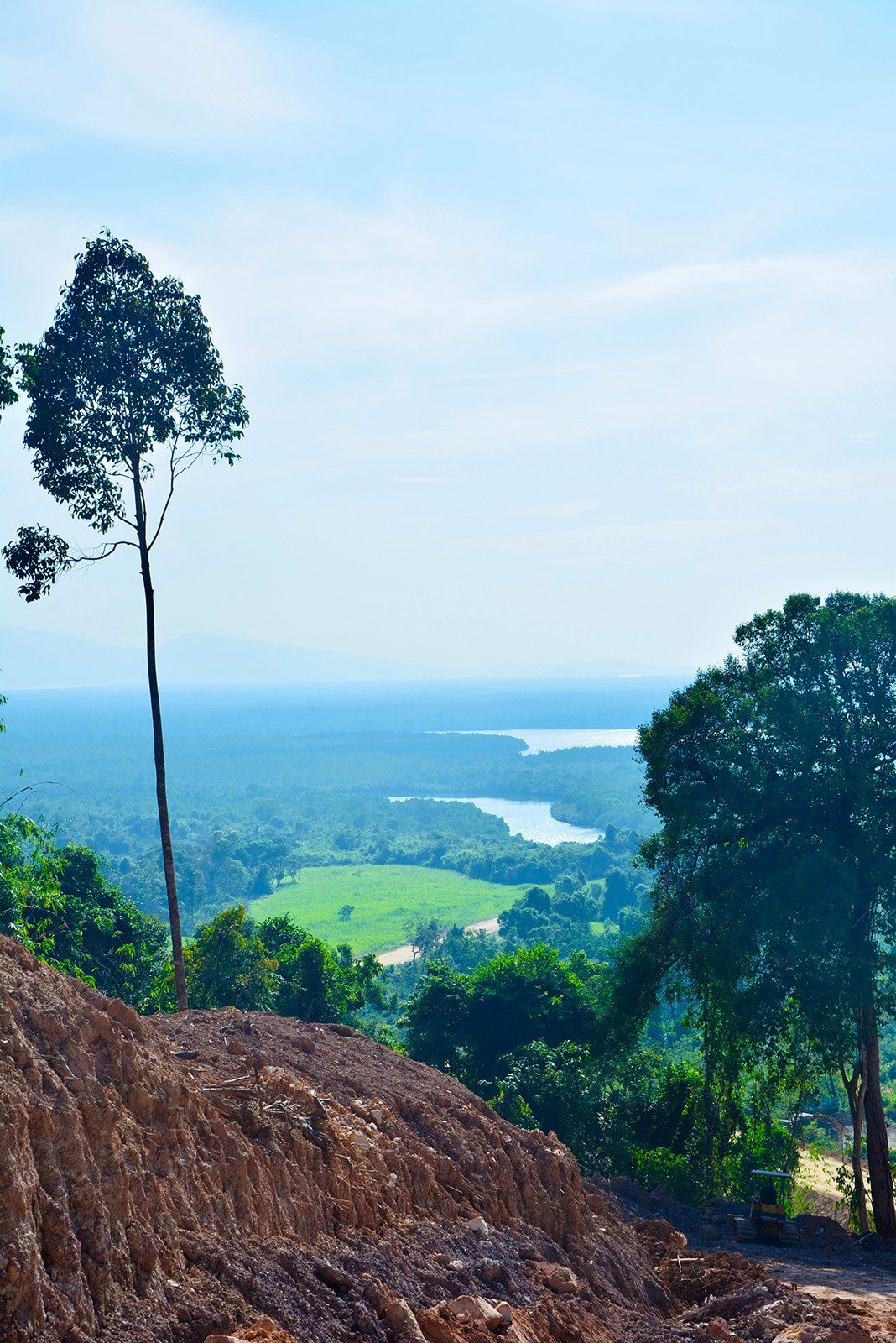
Cardamom Mountains are located across Thailand and Koh Kong Province in Cambodia. They cover over 10,000km² of a dense rainforest. This is one of the greatest wildernesss I witnessed across Southeast Asia. You can find cheap flights on TRIP.COM.
Cardamom Mountains rainforest.
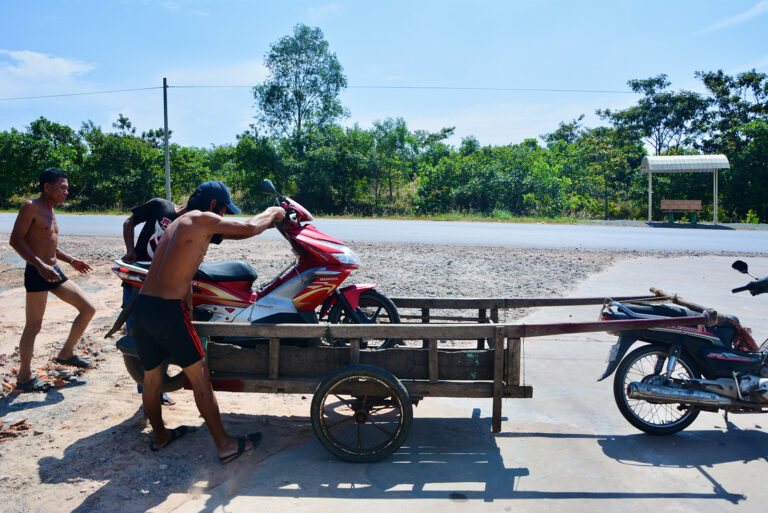
The Cardamom Mountains rainforest is a huge area, and you probably won’t be able to explore on foot. Rent your motorbike in advance, most of them were gone when we came to the rental company. The last motorbike wasn’t great, so no surprise it broke down an hour later in the middle of a jungle!!
We had to organise a car to take the motorbike back to the rental company and, of course, pay for the ‘road assistance’ provided by locals . We lost half of the day but luckily, we had a few days to explore the wild Cambodian region.
The Cardamom Mountains – Cambodia wilderness.
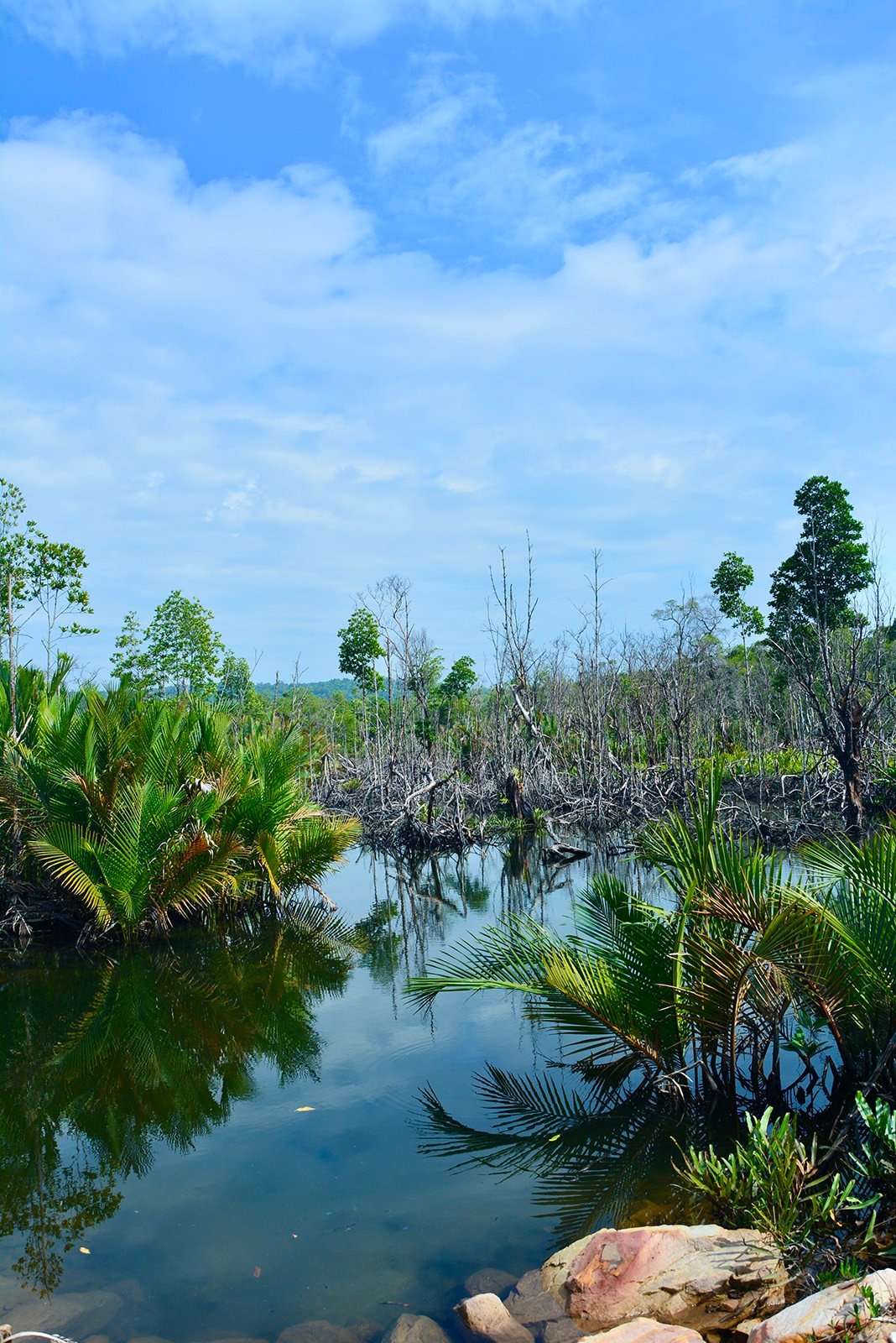
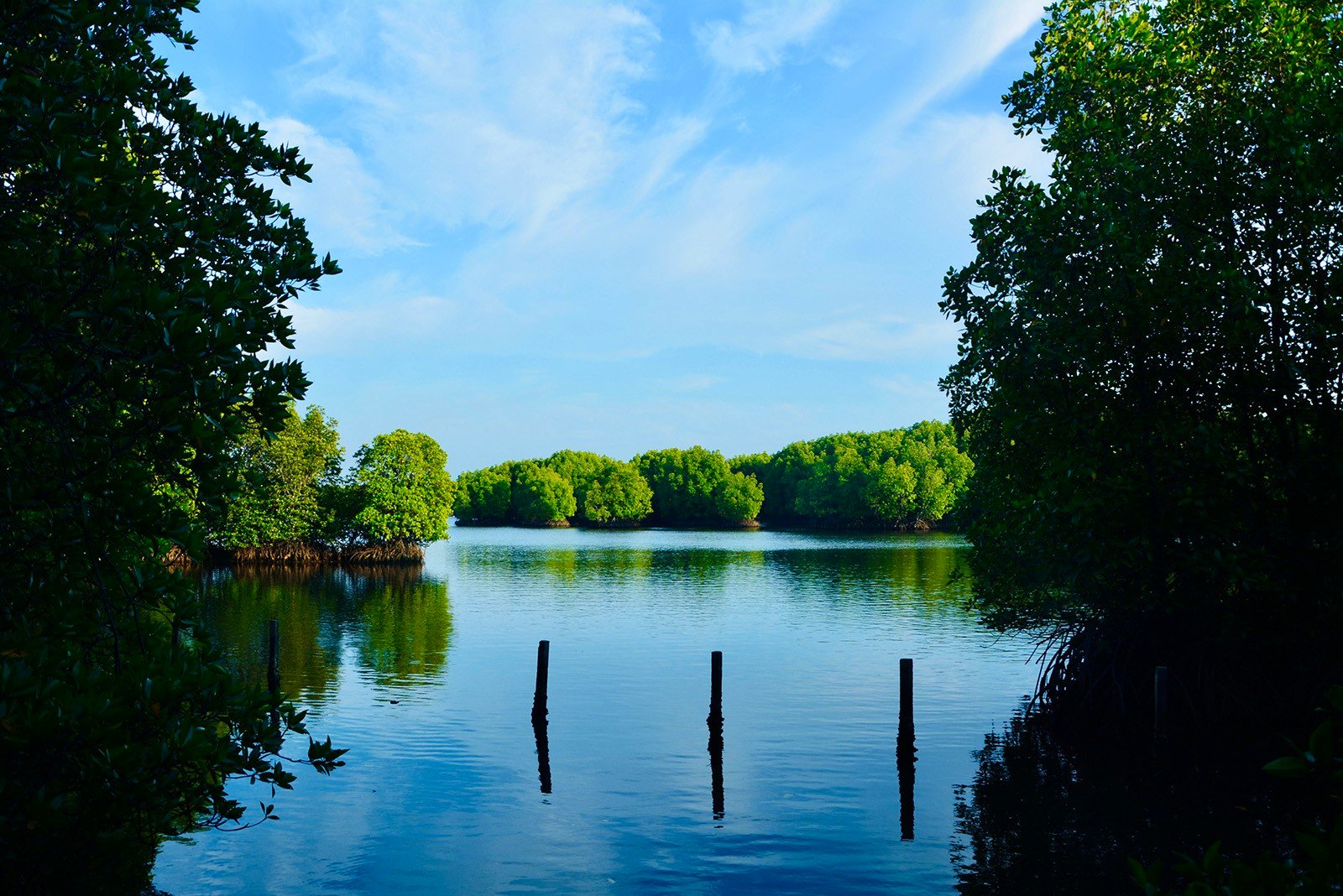
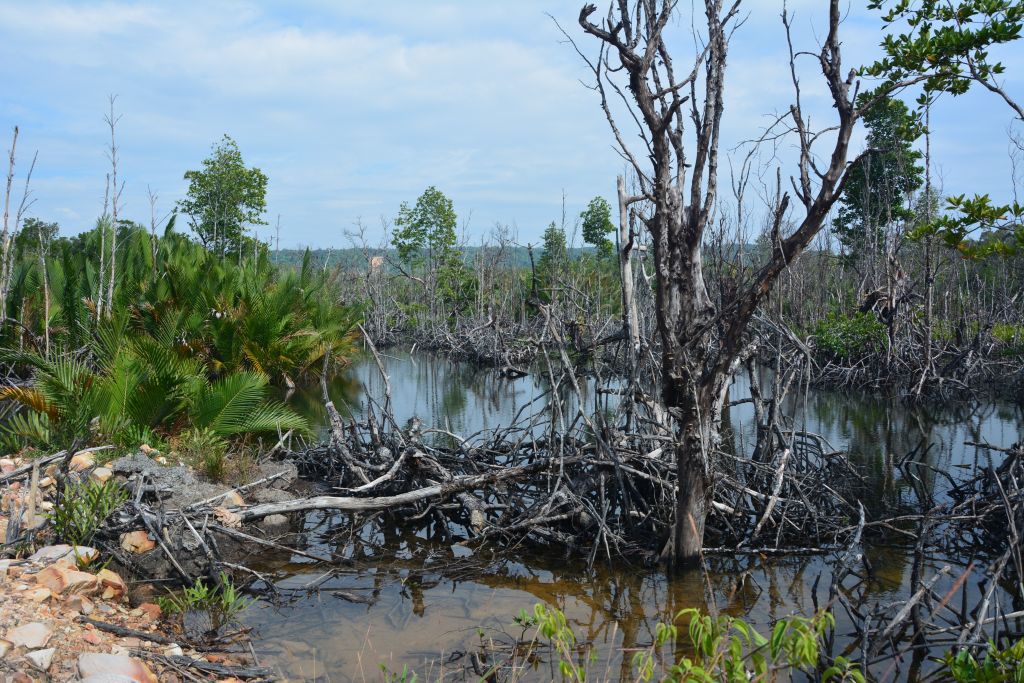
The Cardamom Mountains are covered by lush rainforests and an abundance of exotic wildlife. The Cardamom Mountains are home to a rich and diverse ecosystem – birds and mangroves.
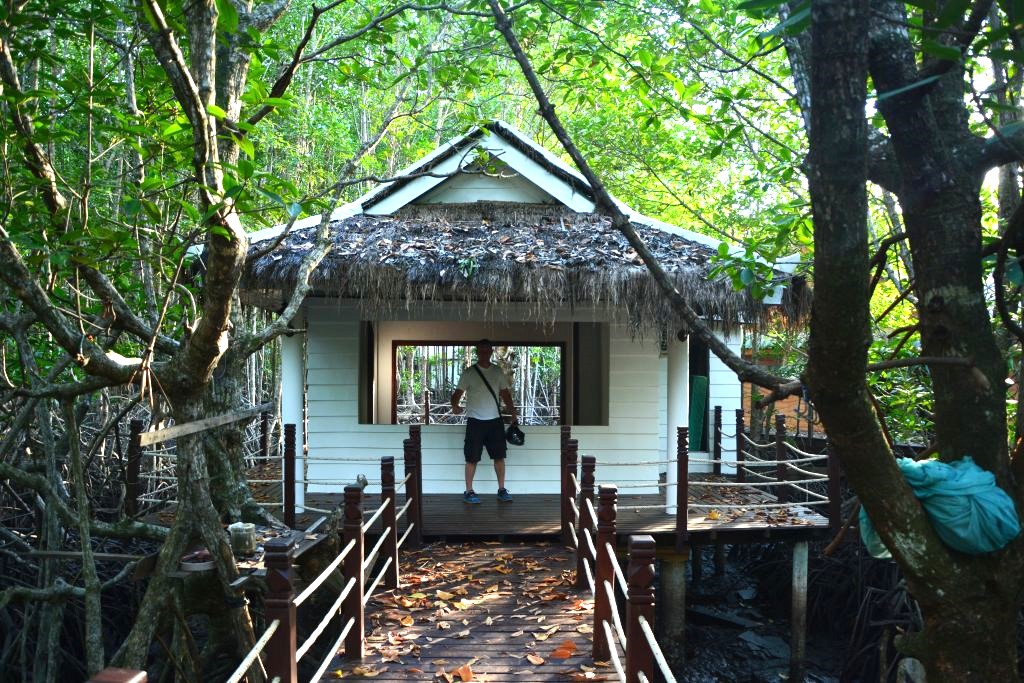
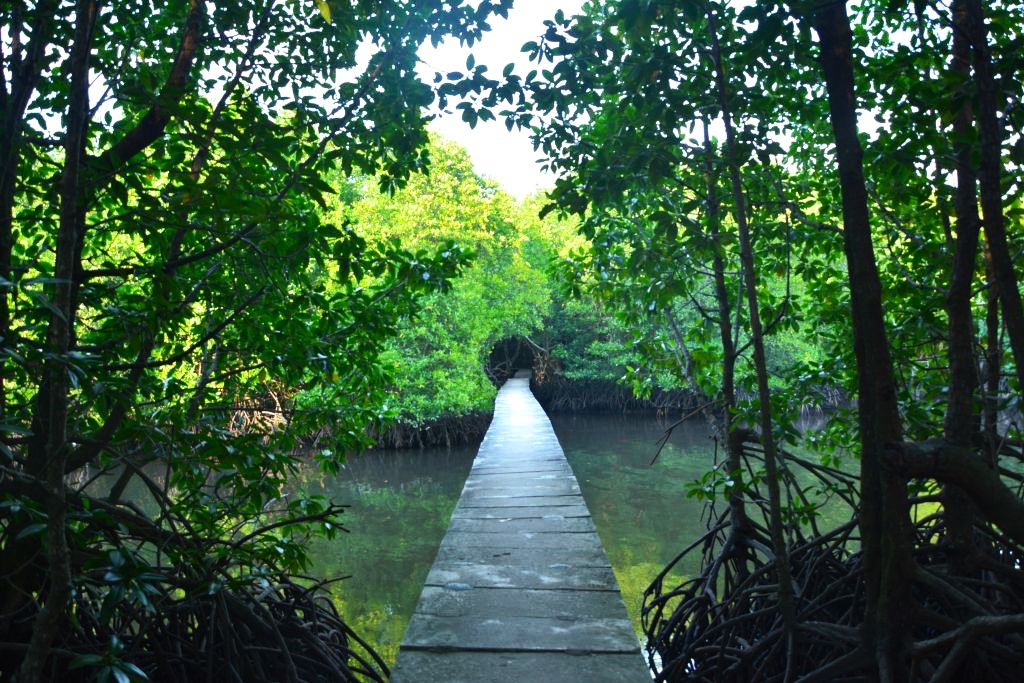
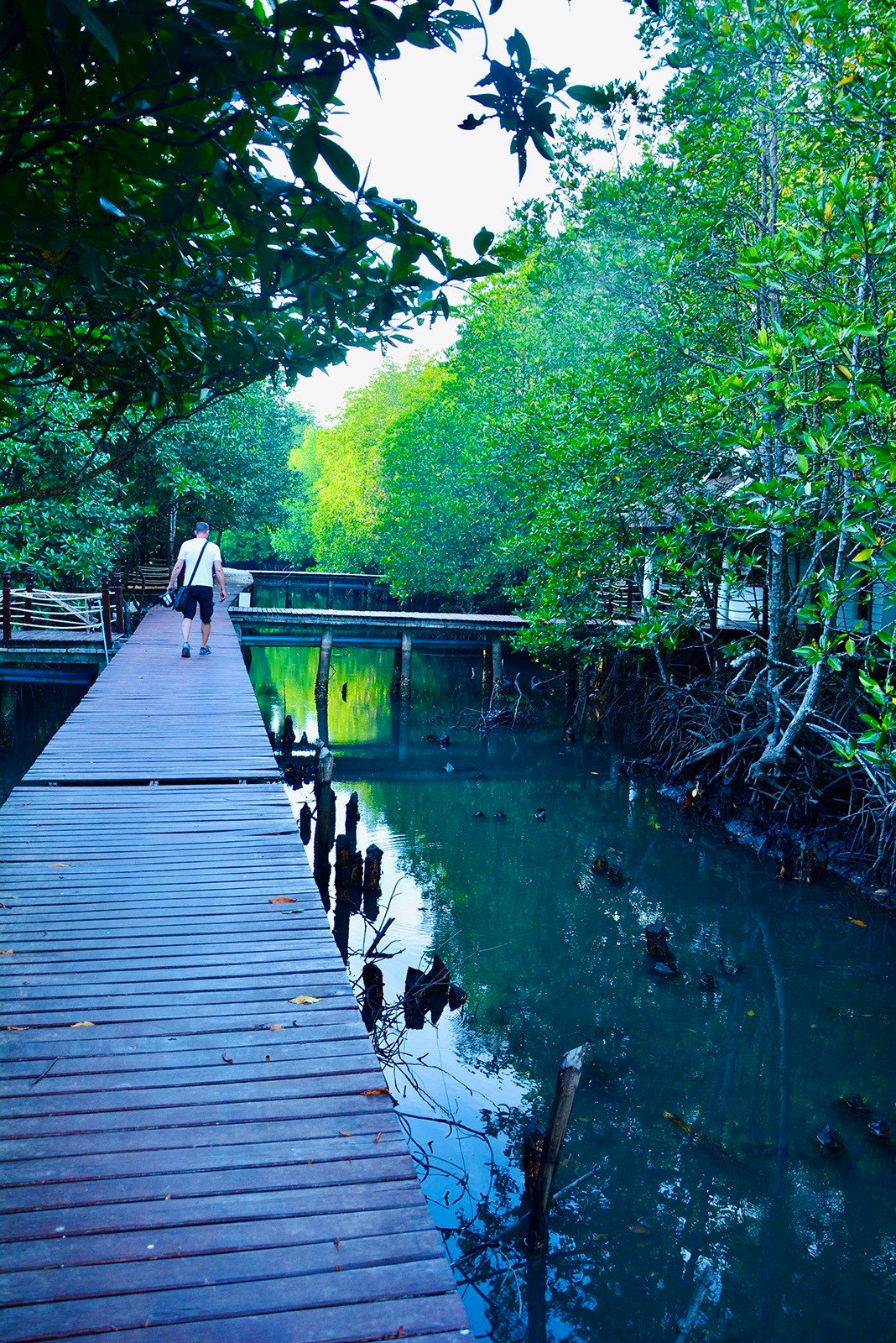
As we drove deeper, we managed to find amazing hidden wooden paths leading through a dense mangrove forest and plenty of abandoned bungalows. It was obviously an investment, which was terminated for some reason. Shame, as the bungalows looked really great.
How to get to the the Cardamom Mountains?
The southwest Cardamom dense jungle covers 1 million hectares, which is 6% of Cambodia’s land, concealing amazing biodiversity, mangroves, waterfalls and a wildlife sanctuary. The easiest way to get there is to take road no 48, which leads along the small Koh Kong airport.
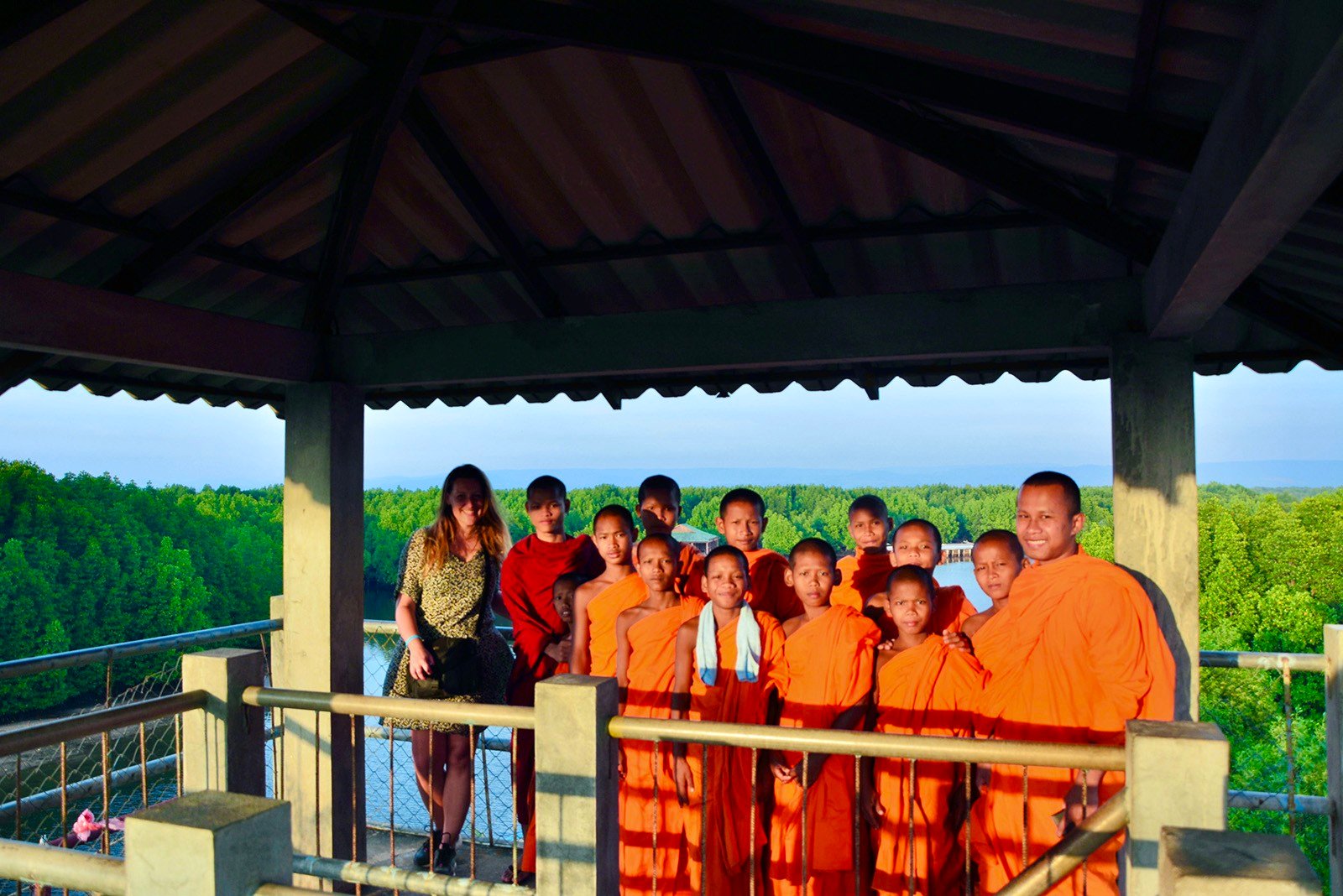
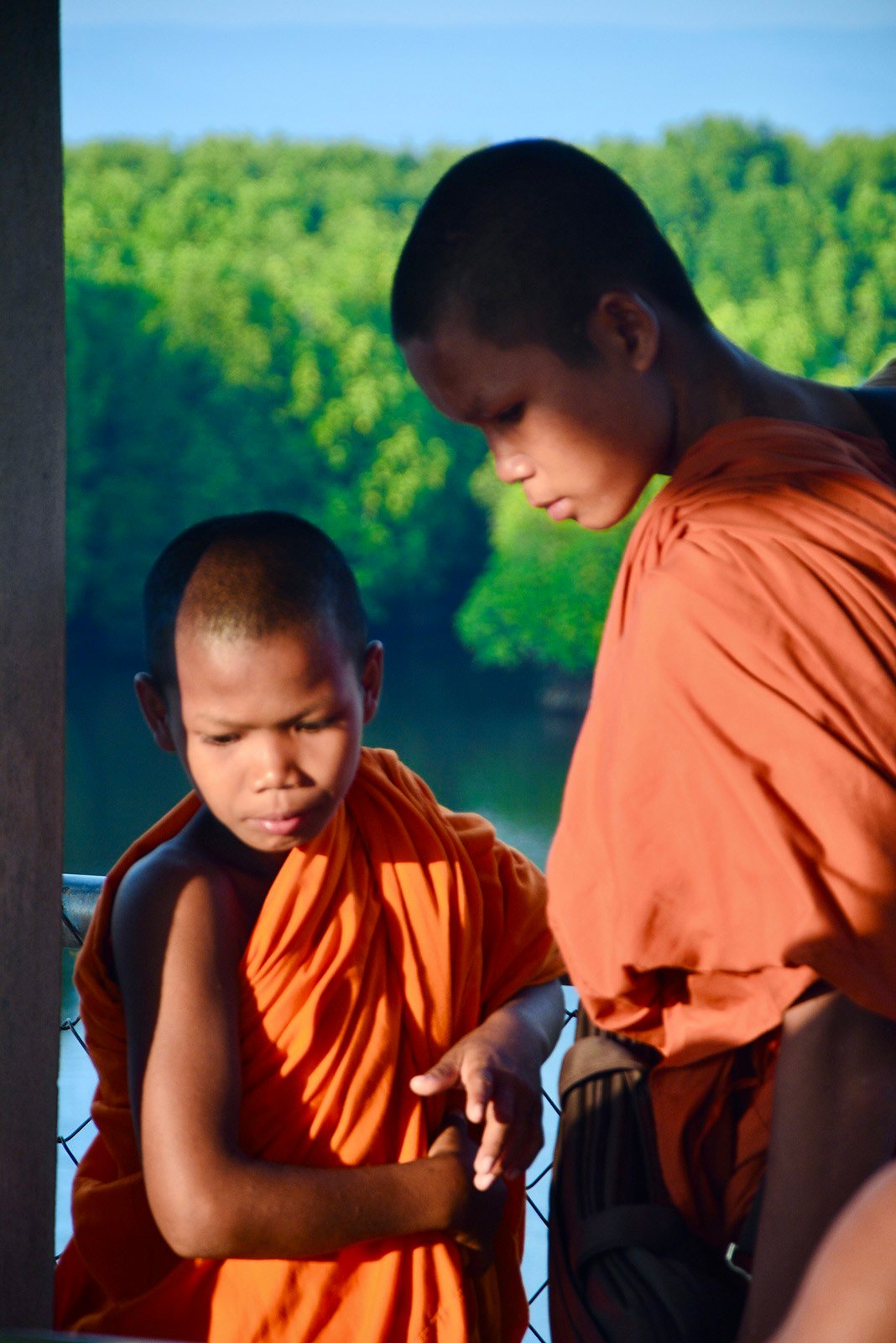
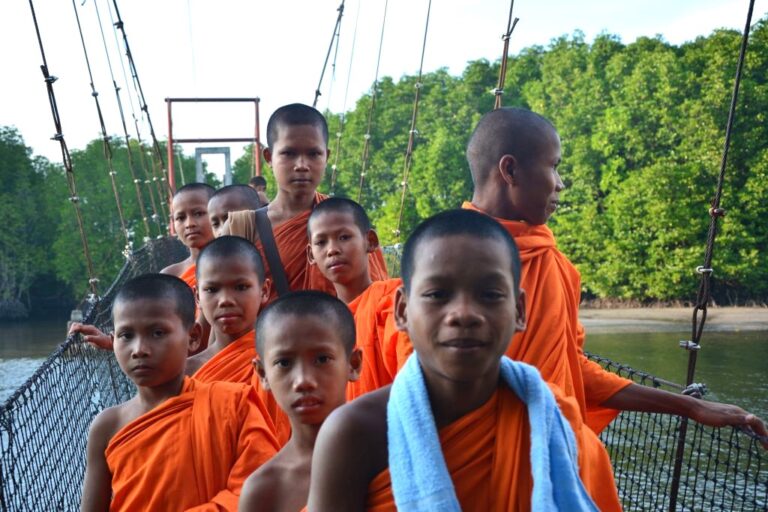
After 20-30 km, turn right into one of the small roads, which will lead you to a mangroves forest, wildlife sanctuary and a beautiful river bridge. This is where we met a group of Buddhist Monks. Their orange robes looked amazing against the grey background. Driving further south direction you’ll reach the National Park. Most of the trails in the Cardamom Mountains are maintained enough to be able to drive alone.
How to prepare to visit the Cardamom Mountains?
The Cardamom Mountains are a huge remote area; it’s essential to be self-sufficient when it comes to water supply, snacks, mosquito spray and DrimSim – SIM card to be able to navigate the terrain. Drimsim operates in 229 countries, provides stable communication and fast Internet connection, with prices similar to those of local operators.
What to do in Cardamom Mountains?
It’s a great idea to do some trekking across the Cardamom Mountains. There are a number of ways to explore the area, including:
- boat trips,
- kayaking
- eco-tours (tented-camps) – camping in the jungle.
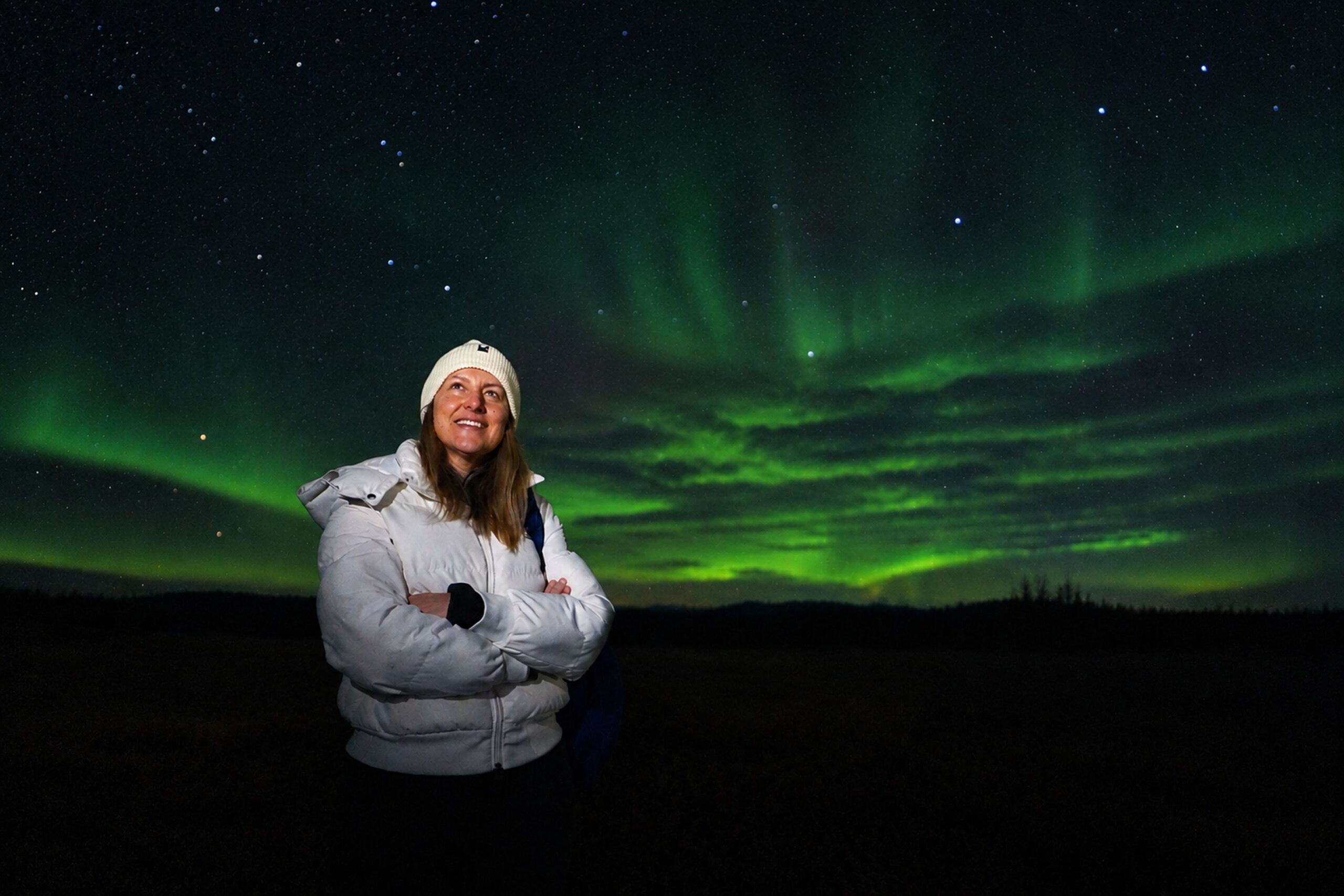
- Cardamom Mountains trekking becomes very popular along with eco-tours (or tented camps). Imagine falling asleep under a blanket of stars.
We stopped a number of times to explore the area on foot. We took a long walk along the river coastline through the bridge and to get some lunch in the nearby restaurant.
One of the highlights of a visit to the Cardamom Mountains is the opportunity to engage with the local communities that call this region home.
Heading the bridge, we met a group of Monks and engaged in a lovely conversation. Interacting with the indigenous people provides a window into their traditional way of life. By engaging in responsible tourism practices and respecting the local customs, you can contribute to the sustainable development of these communities and gain valuable insights into their heritage.
When you visit Cardamom Mountains, it’s important to be mindful of the environmental impact of your presence.
Cardamom Mountains Tour.
This region is a treasure trove of biodiversity and is home to many endangered species. As a responsible traveler is crucial in preserving the natural integrity of the area, so you might consider participating in eco-friendly tours and supporting local conservation efforts to ensure that future generations can continue to revel in the splendor of the Cardamom Mountains.
How much it cost to visit Cardamom Mountains?
This is still a relatively cheap region to visit. We were surprised with low prices in the nearby restaurant:
- Bottled water: $1
- Dinner $4
- Motorbike rental: $15/per day for 2 people
- River bungalow: $8-10
- Tent $5
Note: This post may contain affiliate links, which are at absolutely no cost to you – I can earn a small commission on sales generated through this website and thanks to that I can share travel guides and inspirations that may help you reach your dream destinations and discover our unique world. I only recommend sites I actually use and have traveled to. Thank you for your support!