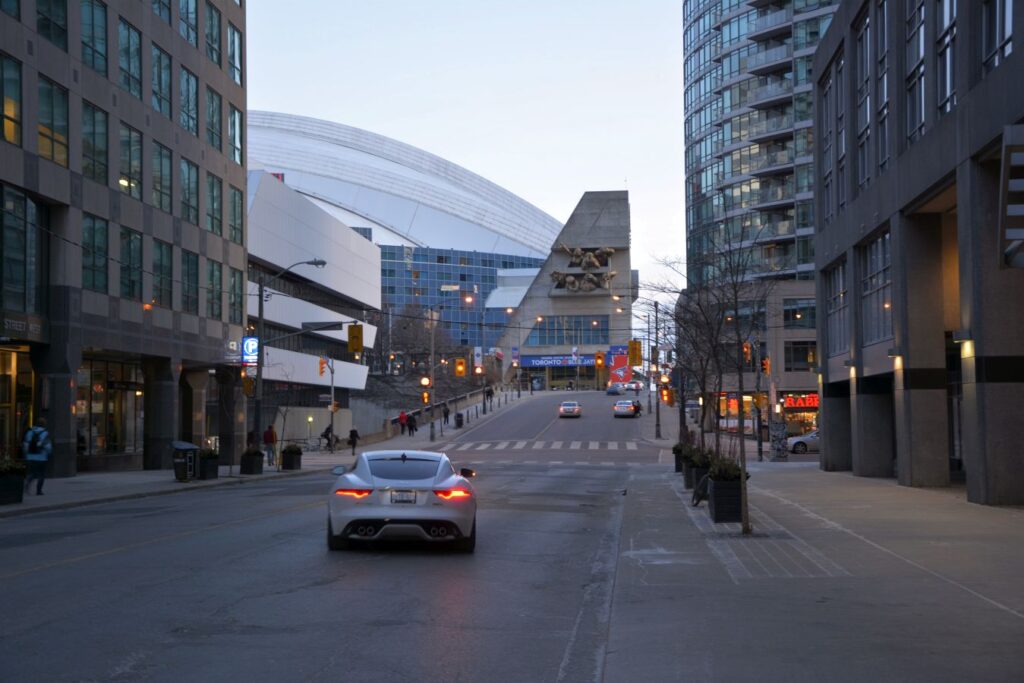
The best sites in Toronto, Canada.
TORONTO – Canada’s largest city is an excellent destination for a long weekend, a first trip to Canada or a longer North American adventure. You can spend the morning admiring the skyline from above, eat your way through different cultures at lunchtime, explore a historic district in the afternoon and finish the day watching the sun disappear over Lake Ontario – here are all the top sites to see in Toronto you need to know about!
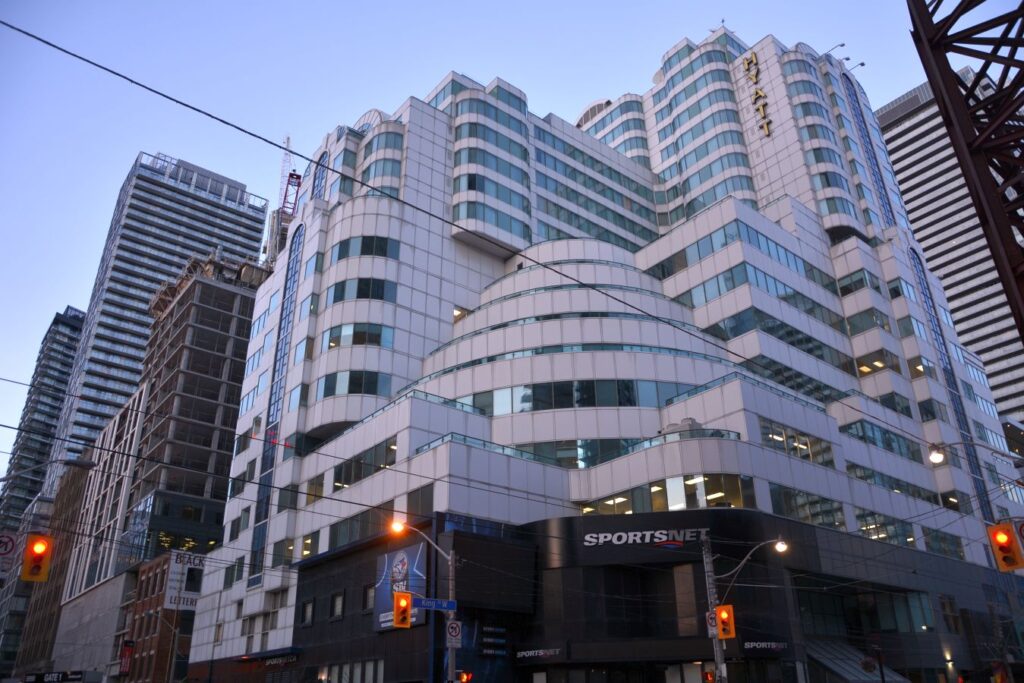
However, as you know me, the best way to explore the city is wandering along its streets, which took us to most of the sites below without even planning. What’s more, unexpectedly, as it was wintertime and we were trying to warm up in one of the buildings, we entered the SportsNet headquarters and landed in the middle of the live News! 😉

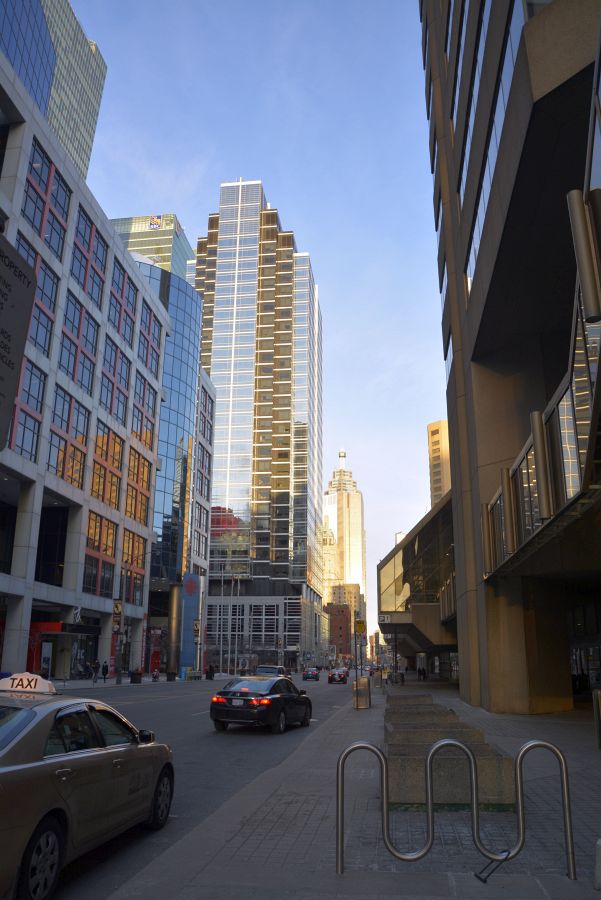
At first glance, its impressive skyline, glass skyscrapers and famous CN Tower make it look like a typical North American metropolis.
But once you spend a little longer, you’ll get to discover its colourful neighbourhoods, peaceful islands, multicultural food markets, dramatic lakeside scenery and unexpected pockets of nature.
I’ll guide you beyond the usual sightseeing checklist. I want the iconic landmarks, of course, but I also want the streets worth wandering without a plan, and the experiences that reveal the character of a destination. Like the one below – a Condom Shak 😉 (Shop).

Where to start?
The challenge is deciding where to begin. Toronto is a large city, and some attractions are much farther apart than they appear on a map. A little planning makes a considerable difference.
It was minus 10 when I landed in Toronto, so wandering the streets for hours was a bit challenging ;)))
My advice: If this is your first visit, do not attempt to see everything in one day. Choose a few attractions in the same neighbourhood, leave time for spontaneous discoveries and remember that Toronto’s outdoor spaces are just as rewarding as its famous buildings.
| Toronto attraction | Why visit? | Recommended time |
|---|
| CN Tower | Panoramic city views | 1–2 hours |
| Toronto Islands | Skyline views, beaches and nature | Half a day |
| Casa Loma | A castle in the middle of the city | 2 hours |
| Distillery Historic District | Historic architecture and cobblestone streets | 1–2 hours |
| Kensington Market | Independent shops, street art and food | 1–2 hours |
| St. Lawrence Market | Local food and Toronto flavours | 1–2 hours |
| Royal Ontario Museum | Natural history and world cultures | 2–3 hours |
| Ripley’s Aquarium of Canada | Underwater tunnels and marine life | 1–2 hours |
| Harbourfront | Waterfront walks and lake views | 1–2 hours |
| Scarborough Bluffs | Dramatic cliffs and lakeside scenery | 2–3 hours |
1. CN Tower: Toronto's most iconic landmark
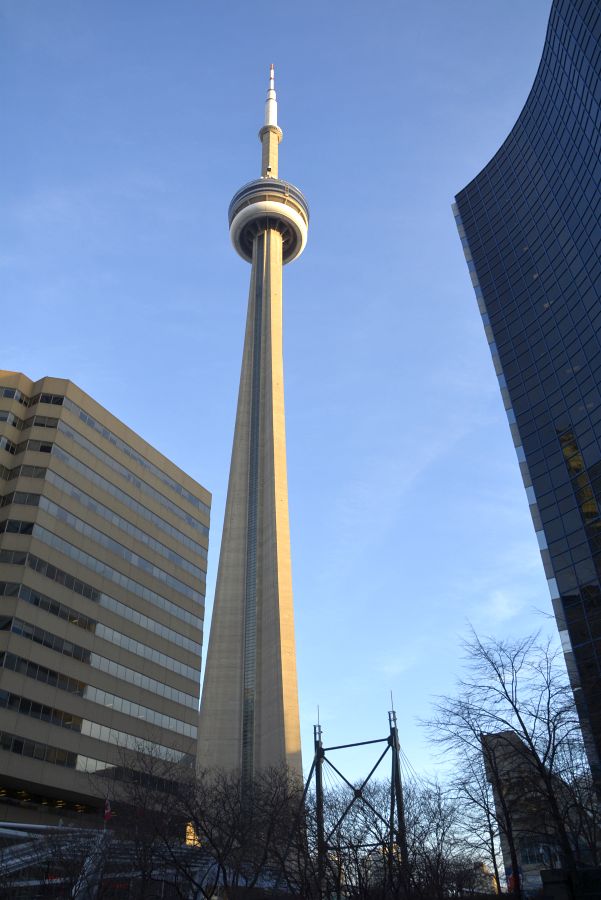
CN Tower is an extraordinary structure and one of the top sites to see in Toronto. It dominates the skyline and is one of the city’s most recognisable landmarks.
Standing approximately 553 metres tall, the tower was once the world’s tallest freestanding structure.
Even from street level, its scale is impressive. From the observation levels, the experience becomes something entirely different.
The Glass Floor offers a different perspective, allowing you to look directly down towards the ground.
FOR ADVENTURE SEEKERS: Try the EdgeWalk – a guided, harness-secured walk around the exterior of the tower’s main pod.
My travel tip: Check the weather forecast before choosing your visit (look for a clear day). Late afternoon can be particularly rewarding because you may experience the city in daylight and watch the skyline begin to light up.
Recommended tour: Toronto Premium Driving Tour with CN Tower & Boat Cruise.
2. Toronto Islands: The best escape from the city
Toronto Islands are one of my favourites. The archipelago of 15 islands in Lake Ontario is located just offshore from downtown and offers wonderful beaches, walking and cycling paths, green spaces and amazing views of the Toronto skyline.
Different parts of the islands offer different experiences. Centre Island is popular with families and visitors looking for open green spaces. Ward’s Island has a quieter residential atmosphere, while Hanlan’s Point is known for its beach and more relaxed surroundings.
Toronto’s skyline looks particularly beautiful from the islands.
My travel tip: Allow at least half a day, especially if you want to explore on foot or rent a bicycle. Weekends and public holidays can be busy, with longer queues during peak periods.
3. Distillery Historic District: Walk through Toronto's past
The Distillery Historic District setting that feels very different from the city’s modern financial district. Once associated with a major nineteenth-century distillery, the area has been transformed into a pedestrian-friendly neighbourhood filled with galleries, independent shops, restaurants and cafés.
The area is also a good choice if you enjoy combining sightseeing with food and coffee stops.
My travel tip: Visit during the morning or on a quieter weekday if you prefer photography without large crowds. Later in the day, the atmosphere becomes livelier, especially around restaurants and bars.
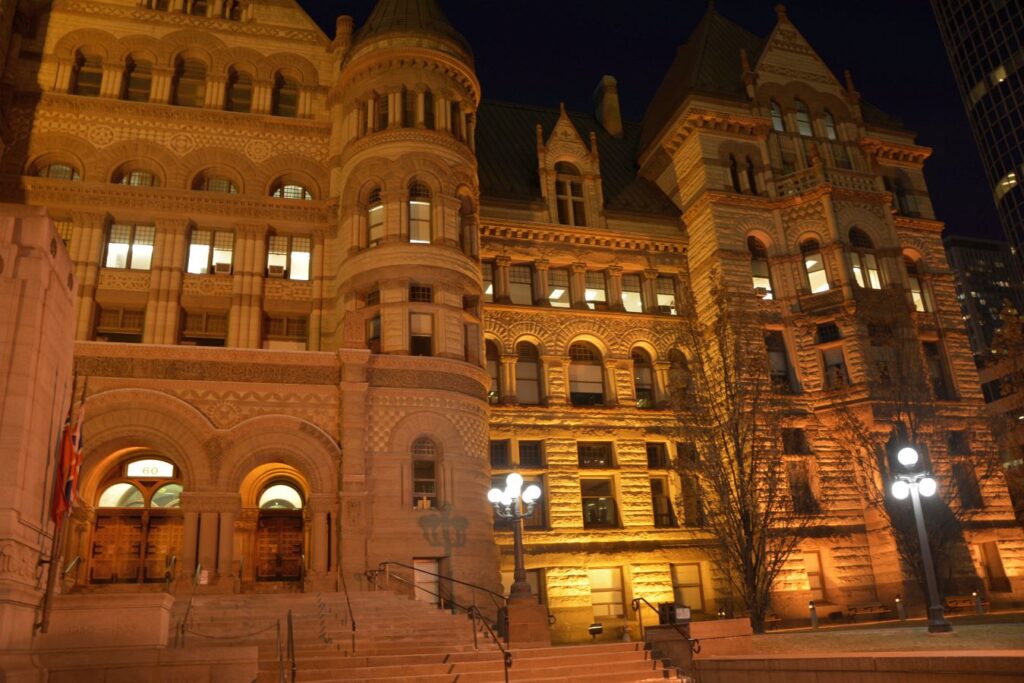
4. St. Lawrence Market: Taste the city
St. Lawrence Market is a must-visit in Toronto.
Food is one of the best ways to experience a multicultural city, and this historic market offers a great introduction to Toronto’s culinary scene.
Inside, you will find food vendors, fresh produce, baked goods, prepared meals and a variety of local specialities. It is an excellent place to stop for lunch while exploring the historic Old Town neighbourhood.
Walk around first, look at what different vendors are offering and choose something that catches your attention.
Markets are also excellent places to discover local food culture without committing to an expensive restaurant meal.
My travel tip: Arrive hungry and check the market’s official opening schedule before planning your visit. Different sections and market days may operate differently, so do not assume every vendor will be open every day.
5. Royal Ontario Museum: A world of history and discovery
The Royal Ontario Museum, commonly known as ROM, has collections that cover natural history, art and cultures from around the world. Depending on your interests, you can explore dinosaur fossils, geological specimens, historical objects and exhibitions devoted to different civilisations.
My travel tip: Do not try to see every gallery if you only have a couple of hours. Check the current exhibitions in advance and choose the sections that interest you most.
ROM is especially useful as a rainy-day activity. It can also be combined with a walk around the University of Toronto area and nearby Yorkville.
6. Art Gallery of Ontario: A must for art lovers
The Art Gallery of Ontario, known as the AGO, is one of the best cultural sites to see in Toronto.
Its collection includes Canadian and international art, alongside temporary exhibitions that change throughout the year. The building itself is worth appreciating, with architectural features that create a distinctive gallery environment.
You can also explore nearby Chinatown and Kensington Market on the same day, making this a practical combination for a city itinerary.
7. Harbourfront Centre: Toronto beside Lake Ontario
Toronto’s waterfront/Harbourfront Centre offers access to cultural events, waterfront paths, public spaces and views across Lake Ontario. It is one of the nicest sites to see in Toronto, where you can walk along the water, watch boats moving through the harbour and enjoy the contrast between the open horizon and the downtown skyline.
My travel tip: Visit when the weather is clear and combine Harbourfront with the ferry terminal if you are planning to travel to Toronto Islands.
Bring an extra layer of clothing, especially in spring and autumn, when lakeside winds can make the temperature feel lower.
8. Chinatown: A delicious introduction to Toronto's diversity
Toronto’s Chinatown is one of the city’s most rewarding neighbourhoods for food lovers.
The streets are lined with restaurants, shops and businesses reflecting a range of Chinese and wider East Asian influences. It is one of the most delicious sites to see in Toronto and an excellent place to explore different flavours and discover dishes you may not have tried before.
Combine Chinatown with Kensington Market and Graffiti Alley for a neighbourhood-focused day.
Recommended tour: Toronto Essentials Tour: Old Town & Downtown Highlights (PWYC).
9. Skate in the heart of Toronto.
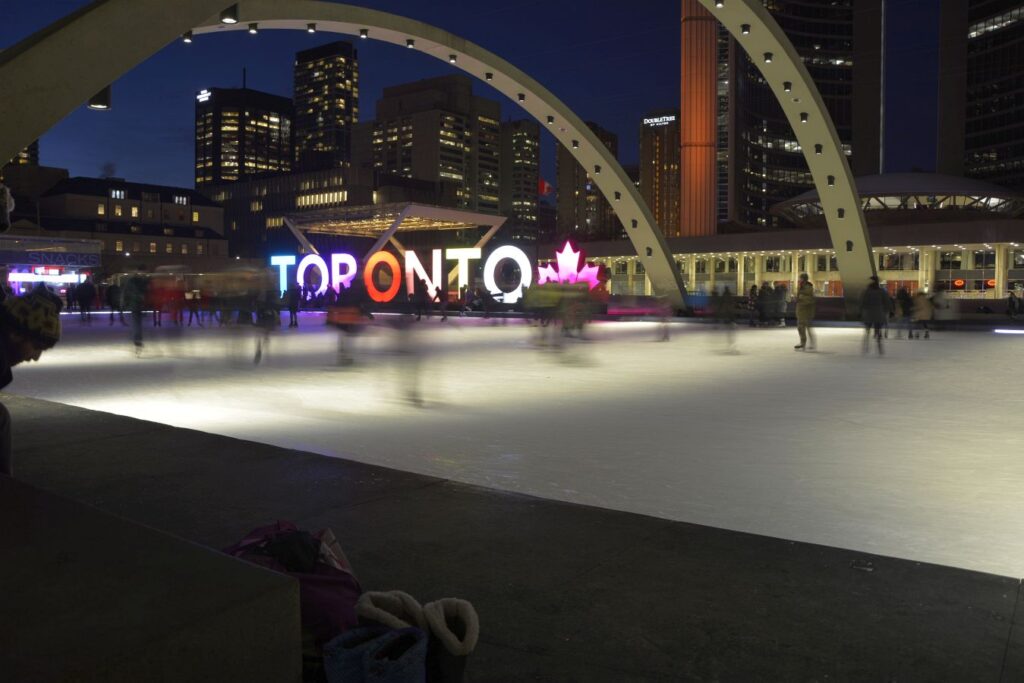
If you visit Toronto in winter, ice skating at Nathan Phillips Square is a must-visit activity.
It’s located in front of Toronto City Hall, where you can skate surrounded by downtown buildings and the famous TORONTO sign. After dark, the square illuminates createing a particularly atmospheric setting,
My travel tip: Visit in the late afternoon or evening for a classic Toronto winter experience. Check the City of Toronto’s official website for seasonal opening dates, ice conditions and skate rental details.
Location: Nathan Phillips Square, downtown Toronto.
Best time to visit: Winter, generally from late autumn into early spring, depending on conditions.
What is the best time to visit Toronto?
The best time depends on the experience you want.
Summer: Ideal for waterfront walks, Toronto Islands, outdoor dining, festivals and boat trips. Popular attractions can be busy, and accommodation prices may be higher.
Autumn: A great option for comfortable sightseeing and colourful foliage in parks. Temperatures can vary, so bring layers.
Winter: Toronto offers skating, seasonal events, museums and indoor attractions. Be prepared for cold temperatures, snow and icy pavements.
Spring: A good time for museums, neighbourhood walks and emerging greenery. Weather can be unpredictable, and cherry blossom timing varies.
For travellers who prioritise outdoor activities, late spring through early autumn is generally the easiest period to plan around.
How to get around Toronto?
Toronto has a public transport network that includes the subway, streetcars and buses.
For most first-time visitors, public transport combined with walking is a practical way to explore the central attractions.
The Toronto Islands require a separate ferry journey, and destinations such as Scarborough Bluffs and Toronto Zoo need additional transport planning.
Is Toronto expensive for tourists?
Toronto can be an expensive city, particularly if you visit several paid attractions, eat in restaurants for every meal and stay in central accommodation.
However, there are plenty of ways to manage your budget.
- Explore public spaces such as Nathan Phillips Square and Harbourfront.
- Walk through Kensington Market and the Distillery Historic District without purchasing admission to individual attractions.
- Choose a few paid experiences that genuinely interest you.
- Use public transport rather than relying on taxis for every journey.
- Compare combination passes against individual admission prices before buying.
- Check museums and galleries for current free-admission or discounted-entry opportunities.
- Visit markets and casual food spots for some of your meals.
- Try Toronto CityPASS if you plan to visit several attractions.
Note: This post may contain affiliate links, which are at absolutely no cost to you – I can earn a small commission on sales generated through this website and thanks to that I can share travel guides and inspirations that may help you reach your dream destinations and discover our unique world. I only recommend sites I actually use and have traveled to. Thank you for your support!