
After backpacking Colombia we were aiming to cross the famous land border between Colombia and Ecuador – Ipiales. The border crossing at Ipiales is known as the “Rumichaca Bridge.” Almost everyone was discouraging us from undertaking this adventure, but one thing I could not miss was visiting Las Lajas Sanctuary (located at the border) – the architectural marvel – a sight to behold and a testament to human creativity and faith!
Visiting Las Lajas Sanctuary, Colombia: Complete Guide (+ Crossing to Ecuador)
After this thrilling adventure, I’m dropping lots of practical travel and safety information on visiting Las Lajas Sanctuary and crossing the land border between Colombia and Ecuador. Visiting Las Lajas Sanctuary is a must; it is probably the most beautiful sanctuary in South America.
We were staying in Neiva after visiting the amazing Tatacoa Desert. I was looking to take a bus from Neiva to Pasto but it takes around 22 hours, and it is also NOT advised to travel by night buses south from Bogota. So we had to find another solution and after exploring all the options, the safest and quickest was flying from Bogota to Pasto!
The flight was $50 on TRIP.COM , which is a very good price for a last-minute booking. We actually booked two flights, which were cheaper than a direct flight from Neiva – so check all options when booking.


Las Lajas Sanctuary is a neo-Gothic basilica built on a bridge across the Guáitara River canyon, about 15 minutes from Ipiales on Colombia’s border with Ecuador. Entry is free, it’s open daily, and it’s the perfect last stop before crossing into Ecuador at Rumichaca.
I visited at the end of a long backpacking trip through Colombia, on the same day I crossed the land border into Ecuador. Plenty of people told me not to do it. Here’s exactly how I got there, what it cost, what to watch out for, and how the border crossing works in 2026.
How to get to Las Lajas Sanctuary?
If you are traveling from Bogotá, the road leads along Armenia – Cali – Pasto – Ipiales. To visit Las Lajas Sanctuary, you first need to get to PASTO. You can do it by taking a bus or a plane – I STRONGLY RECOMMEND FLYING – we took a bus first and then flew to Pasto but it is a risky region in Colombia for national and international travellers. Check flights on TRIP.COM and look for the best flight deals. Most flights would be operated by Avianca – it should be around $50-$120 per flight if booked in advance.
PASTO AIRPORT – the mountain view from the plane is incredible! Pasto airport is small, simple and empty – our plane was the only one landing.
Step 1: Get to Pasto (fly, don’t bus)
The overland route south from Bogotá, Cali or Neiva is very long (my Neiva–Pasto option was about 22 hours), and night buses in this region aren’t recommended.
How to get from Pasto Airport to Las Lajas Sanctuary?
Step 2: Pasto airport to Ipiales
Pasto airport is about 30 km from the city. Take a taxi to the Pasto bus terminal (I paid 40,000 COP in 2022), then a bus or shared van to Ipiales: about 2 hours.
There will be tens of taxis queuing at the front of the airport exit. There are two ways to travel from the Pasto Airport to Las Lajas – by a local BUS or a TAXI. The journey is quite scenic, as the road winds through the breathtaking Andean landscape.
TAXI: PASTO airport is located 30 km from Pasto town. The ride costs 40 000 COP, which is ok for such a long distance. Ask a driver to drop you off at the bus terminal in Pasto. He’ll know anyway, almost every tourist arriving in Pasto is visiting Las Lajas Sanctuary.
PUBLIC BUS: You will be able to get a bus (or van) to Ipiales or Las Lajas: A ticket costs 14 000 COP, and the drive to Ipiales takes about 2 hours.
TOUR: Day tours run from Ipiales and Pasto and usually combine the sanctuary, the cable car and Tulcán’s topiary cemetery across the border: Pasto: Las Lajas Sanctuary and Tulcán Day Trip.
Las Lajas at a glance.
Where | Las Lajas village, Nariño, about 7 km from Ipiales and 10 km from the Ecuador border |
Entry | Free (small fee for the museum) |
Cable car | Daily 8am–7pm; about 15,000–20,000 COP one way for adults |
Time needed | 2–3 hours |
Nearest airport | Pasto (about 2 hours away) |
Best time | Mornings for light and fewer crowds; evening for the illuminations |
Altitude | Around 2,900 m: bring a warm layer |
Route to Las Lajas Sanctuary.
It’s about a 20-minute walk from the entrance to the Sanctuary. Upon reaching Las Lajas Sanctuary, you are greeted by a sight that seems almost surreal.
The basilica is built into the side of a canyon, with its towering spires reaching out to touch the heavens. The architectural style is a blend of Gothic and Moorish influences. The views of the valley, the cliffs of the canyon and the gorgeous waterfall are stunning.
Why Las lajas Sanctuary is so special?
Legend says that in 1754 a woman named María Mueses de Quiñones was sheltering from a storm in the canyon with her deaf-mute daughter, Rosa, when the girl spoke for the first time, pointing to an image of the Virgin Mary on the rock face. The image is still there, and the church’s altar is built directly against it.
The current church was built between 1916 and 1949, rising from the canyon floor and joined to the far side by a bridge about 50 m high. In 2007 Colombians voted it one of the Seven Wonders of Colombia, and it draws pilgrims from both Colombia and Ecuador.
Is it safe to visit Las Lajas Sanctuary?
While visiting Las Lajas Sanctuary would be on most travellers’ lists, safety is a top concern for any adventurous visitor. The way leading to Las Lajas Sanctuary is crowded, and robberies are very common, especially among international travelers.
Lots of people were robbed and couldn’t even detect when it happened! It is advised not to take out cash, wallets, or valuable belongings. Have some small change for drinks and street food.

Why is Las Lajas Sanctuary important?
Las Lajas Sanctuary holds deep religious significance. According to local legend, the sanctuary’s origins can be traced back to a miraculous event in the 18th century, when the Virgin Mary is said to have appeared on the rock face, leading to the construction of the church.
Pilgrims from around the world visit the sanctuary to pay homage to the Virgin and seek blessings. Even for non-religious travelers, the spiritual ambiance and the story behind the sanctuary make it an exceptional experience.
Las Lajas Sanctuary marvel.
The architectural beauty of Las Lajas Sanctuary is truly remarkable.
The church is built into the canyon wall and spans the river gorge connected by a bridge. The interior features stunning stained glass windows, intricate arches and ornate decor. It’s all a an-made beauty.
Try local cuisine on the way to Las lajas!
Small restaurants in Las Lajas Sanctuary serve plenty of traditional food prepared in vessels. They say this is the place where you can try the best burrito and steaks called Baby Beef in whole Colombia. It smelled amazing, but unfortunately we didn’t have time to sit down and try, as we were rushing toward the border.
Visiting Las Lajas Sanctuary is FREE – there is no entry ticket. There’s a separate entry for the museum. This is the most impressive cathedral in South America.

Taxi from Las Lajas Sanctuary to Ipiales land border.
The quickest way to get from Las Lajas Sanctuary to Ipiales land border is by taxi. Taxi cost 10 000 COP and it’s only a 10 minutes drive.
Las Lajas Sanctuary guided tour.
If you want to dig deeper into the history and significance of Las Lajas Sanctuary, guided tours are available. Knowledgeable guides will provide insights into the basilica’s construction, as well as the religious and cultural significance of the site. This allows travelers to appreciate the sanctuary from both an architectural and spiritual perspective.
Visiting Las Lajas Sanctuary - travel advice and tips.
When planning visiting Las Lajas Sanctuary, it’s essential to keep a few practical tips in mind. The sanctuary is open to visitors daily, and guided tours are available for those who wish to learn more about its history and significance.
The weather in the region can be unpredictable, so it’s advisable to dress in layers and be prepared for rain. There are a number of hiking opportunities, so wear comfortable footwear and clothing if you are planning to explore the area.
Is Las Lajas Sanctuary free? Yes. Only the museum and the cable car charge a fee.
What are Las Lajas opening hours? The sanctuary is open daily; the cable car runs from 8am to 7pm.
How long do you need at Las Lajas? Two to three hours, or half a day with the cable car and viewpoint.
How far is Las Lajas from the Ecuador border? About 10–15 minutes by taxi, so you can easily visit on the way to Ecuador.
Can you visit Las Lajas as a day trip from Pasto? Yes, about 2 hours each way, or join a day tour.
Is the Colombia–Ecuador border crossing safe? Rumichaca is the only open and recommended crossing. Cross in daylight, keep valuables hidden, and plan onward transport before you arrive.
Almost every traveler searches for safety information on the Ipiales border. Because of the constant immigration movement, the border situation changes rapidly. There were thousands of Venezuelan immigrants at the border, escaping from the home war.
We were at the border at 3 pm. NOTE: you need to have a Colombian exit stamp first to enter Ecuador. It’s important to mention this, as our taxi driver took us directly to the Ecuadorian office, where we were told to walk back to the Colombian Migration Office and get a stamp. This only wasted our time and let’s be honest this is the last place you want to hang around.
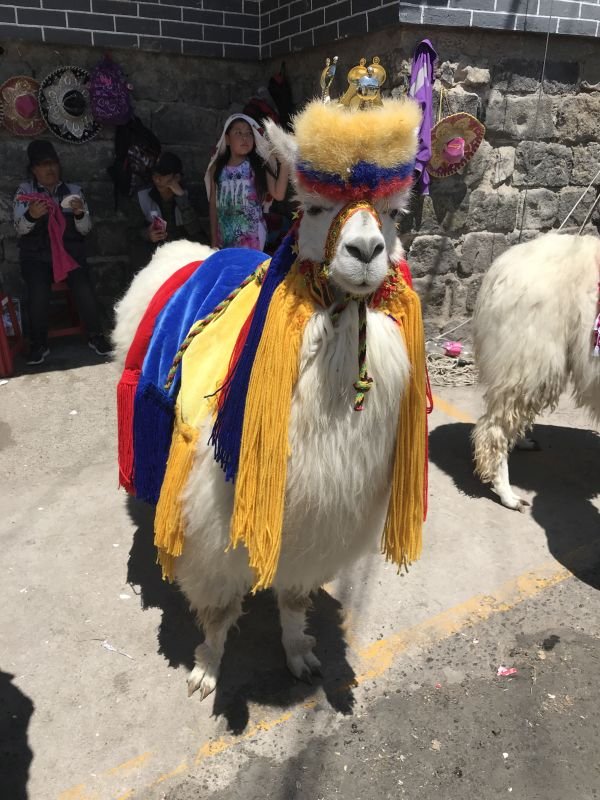
Crossing from Colombia to Ecuador at Rumichaca!
Since 24 December 2025, Rumichaca is the only open land crossing between Colombia and Ecuador; Ecuador closed all the others for security reasons. It’s open 24 hours, but cross in daylight.
- Before you go: fill in the free online Check-MIG form (Migración Colombia), which several 2026 travellers report is needed to exit by land.
- Taxi to the border: from Las Lajas or Ipiales, about 10 minutes and roughly 10,000–15,000 COP.
- Get your Colombian exit stamp first. Don’t let a driver drop you at the Ecuador office (mine did). There are separate lines; mine took 45 minutes.
- Walk across the Rumichaca bridge to Ecuadorian immigration. I paid nothing, filled in no forms and got a 90-day entry stamp.
- Taxi to Tulcán (about $4; pesos usually accepted), then buy your bus ticket to Quito at the terminal. Buses leave frequently and take around 5–6 hours.
On the day I crossed, a British couple were robbed at gunpoint near the border. Keep your phone and cash out of sight, don’t use ATMs at the border, and change only small amounts with the money changers.
On the Colombian border, there are two queues – take the left one (with the building in front of you) – it’s shorter and also dedicated to travellers.
We waited 45 minutes to get the stamp at the Colombian Migration Office. From there, cross the yellow bridge toward the Ecuador Migration Office. There was no queue at all. We didn’t have to pay anything nor fill in any papers. Some blogs say you need to fill out a migration form before entering the line. But we asked the officer twice before stepping into a queue and he confirmed no papers are required. You are granted a 3-month visa in your passport.
Is it safe to travel from Colombia to Ecuador by land border?
The situation at the Ipiales border is not stable. We heard that on the same day, a British couple was attacked and the robbers even pointed a gun at them to get their wallets. Keep your wallet safe; never show cash or valuable belongings. We were advised not to even take out our phones.
Don’t take out money from the ATM cash machine at the border. You can pay with COP or dollars in Ecuadorian towns located near the border.
How to get from Ipiales to the nearest town?
From the Ecuadorian border in Ipiales, you can either take a bus or a taxi to the nearest city, Tulcán (to the BUS terminal if you are planning to travel to Quito). Taxi drivers take COP. Even in Tulcán, we can pay with COP. You need to purchase the ticket at the terminal; it’s not available from the driver. A ticket to Quito costs $6.
Buses from Ipiales to Quito run frequently, with departures every 30 minutes. It took us 5.5 hours to reach the Quito terminal, which is a huge mess!
Note: This post may contain affiliate links, which are at absolutely no cost to you – I can earn a small commission on sales generated through this website and thanks to that I can share travel guides and inspirations that may help you reach your dream destinations and discover our unique world. I only recommend sites I actually use and have traveled to. Thank you for your support!