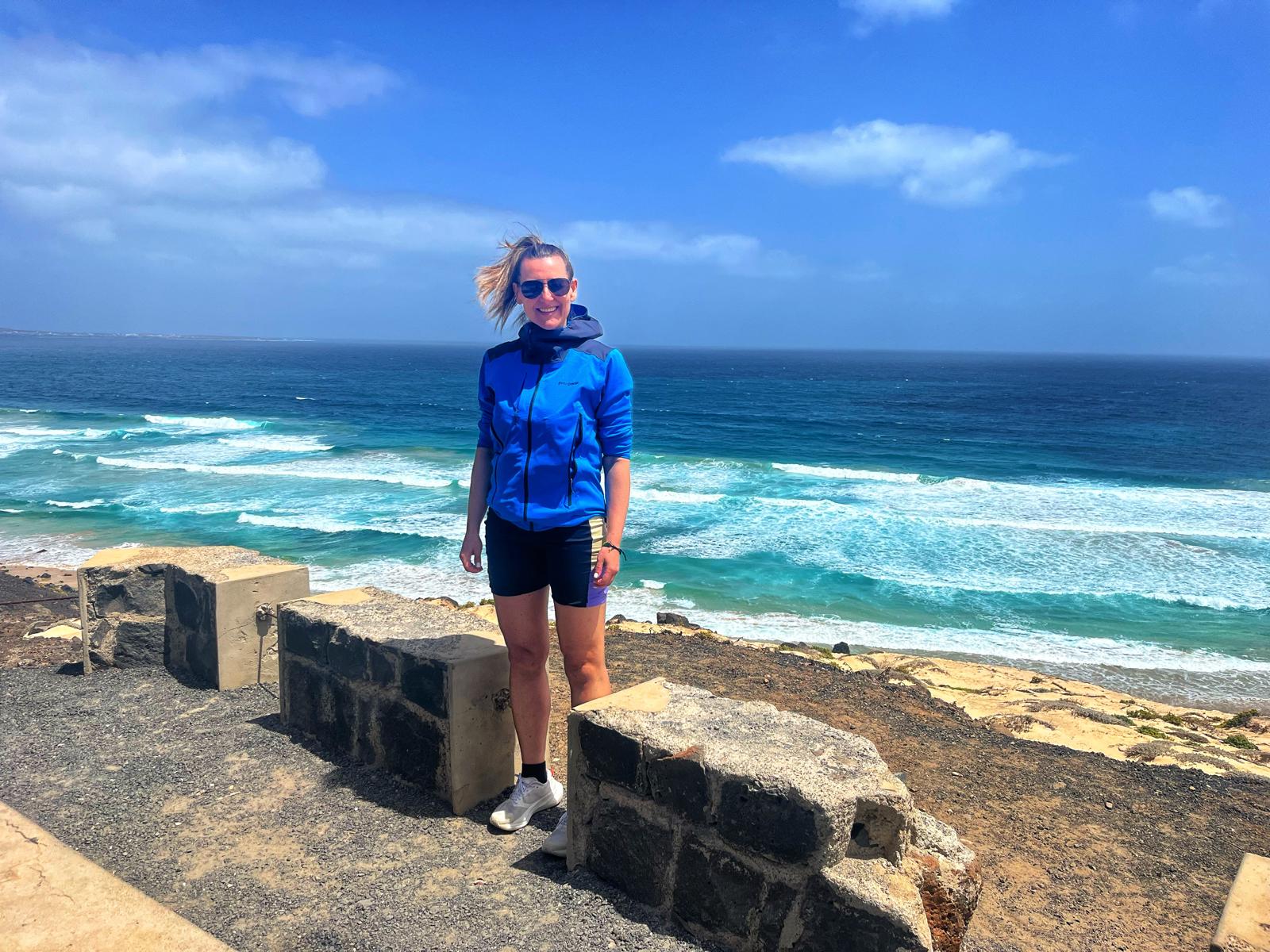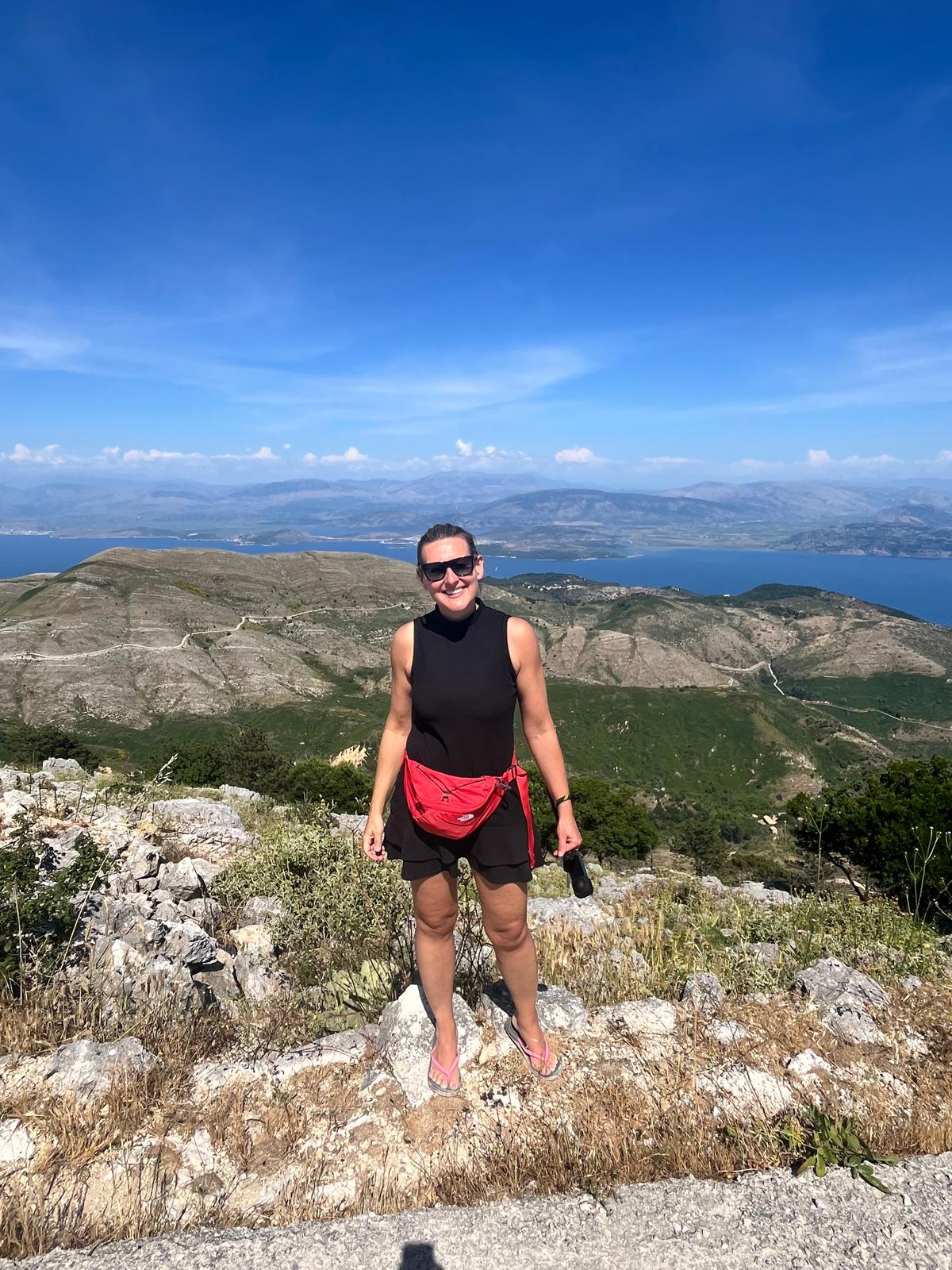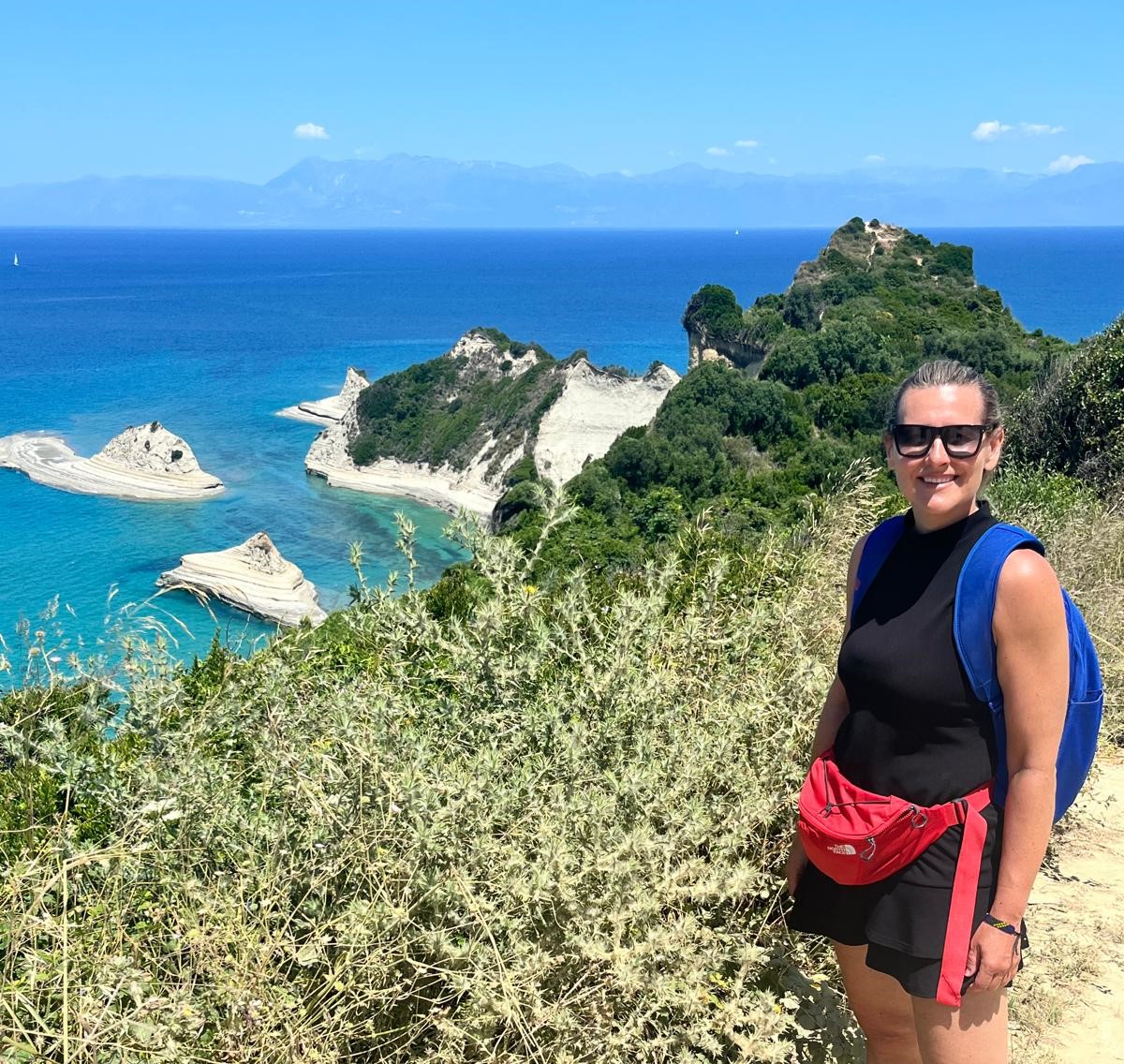
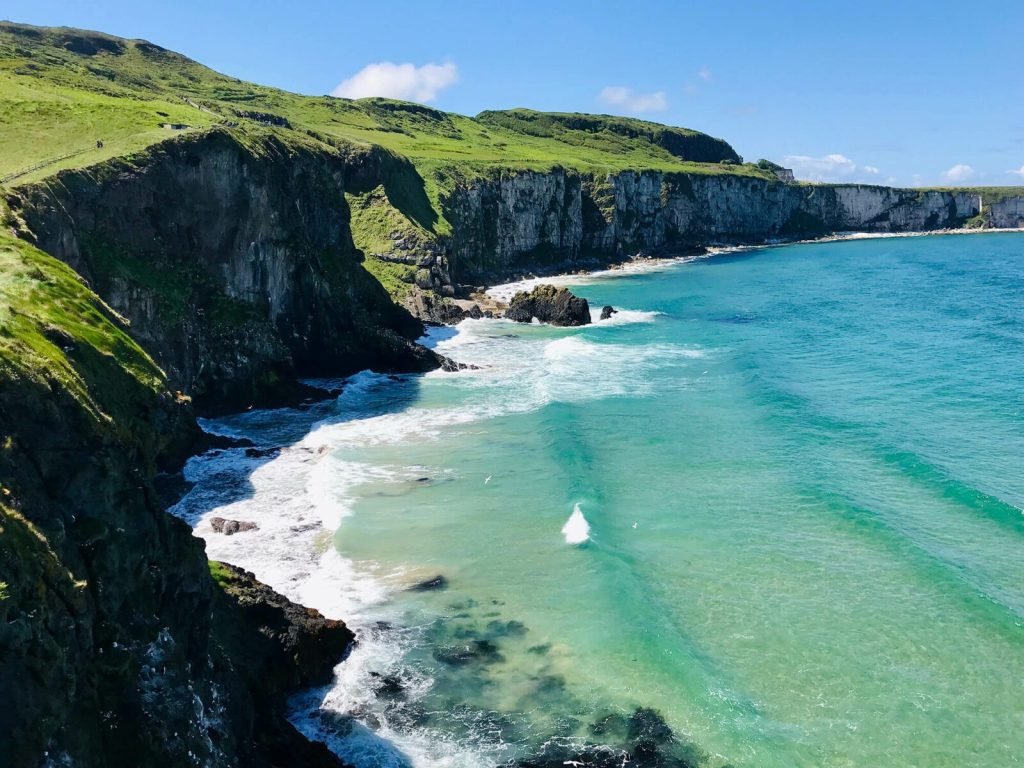
Ireland, also called the Emerald Island, offers amazing green landscapes and majestic coastlines, along with seriously challenging hiking trails. The scenery is so stunning it’s known across the globe, and it has become a beacon for nature lovers and adventurers alike. When it comes to the best hikes in Ireland, the country offers a unique richness, which I have explored over the years living on the island.
The best hikes in Ireland.
The highest peak of Ireland is only 1038 meters – Carrauntoohill, located in County Kerry. But do not underestimate the Irish mountains. Weather can be a game changer on this island.
I have put a list of the top 10 best hikes in Ireland, considering factors like scenery, difficulty level, trail length, and any unique attractions each trail offers.
Key takeaways:
- Ireland offers a unique richness of hiking trails for all types of hikers, surrounded by waterways and rolling green hills,
- Some of the best hikes in Ireland include the Wicklow Way, the Kerry Way, the Dingle Way, the Sheep’s Head Way, the Causeway Coast Way, the Western Way, Slieve League Cliffs, and Twelve Bens Hiking Trail.
- Good quality, waterproof gear is essential for hiking in Ireland due to unpredictable weather conditions, including sturdy, waterproof hiking boots, layers and breathable fabrics, and reliable rain gear- a waterproof jacket and pants.
- It’s crucial to check the local weather forecast before setting out, even during summer, with the most suitable time for hiking typically being between April and October.
- To enhance your hiking experience, ensure you have a map and know how to read it; having a guide can also be helpful, particularly on challenging hikes to help you stay safe and learn about the local area’s cultural and natural history.
1. Wicklow Way.
The Wicklow Way, Ireland’s first waymarked trail, leads trekkers through a beautiful landscape teeming with a wide variety of flora and fauna.
The Wicklow Way truly comes to life with desolate yet captivating spots such as the tranquil Powerscourt Waterfall, the mysterious Lough Tay, otherwise known as the Guinness Lake, and of course, the sacred lands of the early Christian monastic site at Glendalough.
Although parts of the trail present a moderate challenge, the full route which is 131 kilometers can usually be completed within a week’s time, making it a perfect option for those looking for an extended adventure in the serenity of nature’s wilderness.

2. The Kerry Way.
The legendary Ring of Kerry leads through breathtaking coastal views, snow-kissed peaks of Ireland’s highest mountains to Irish towns that echo history and tradition, trekkers can expect a soulful journey.
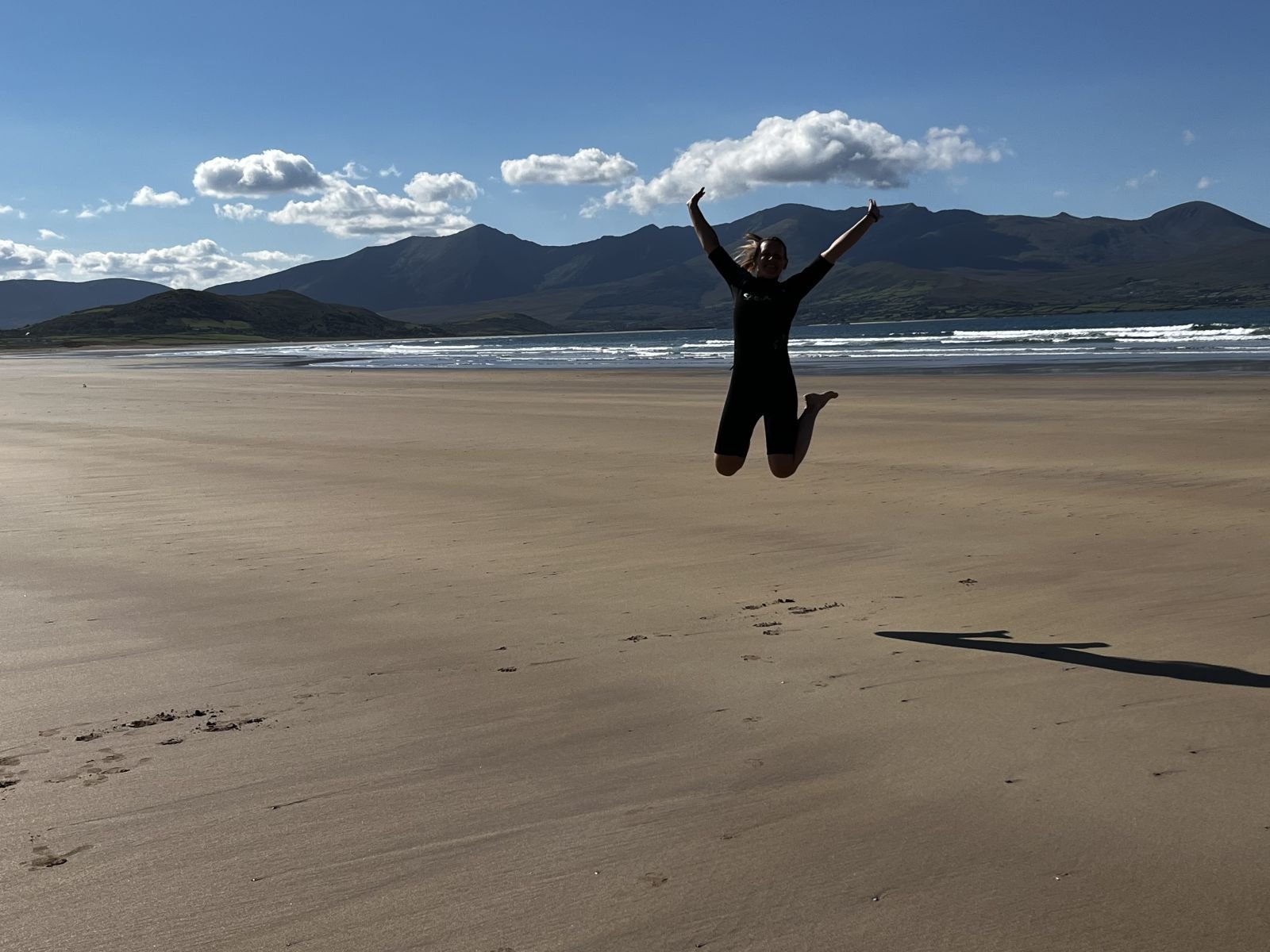
3. The Dingle Way.
The Dingle Way covers nearly 179 kilometers, each step taken on this trail uncovers the true essence of Ireland, and unveils the region’s rich Gaelic heritage and a view over the Blasket Islands.
This trail can be comfortably completed in about eight to nine days.
Recommended tour: DINGLE SEA SAFARI – explore the dramatic scenery of Dingle Peninsula and enjoy a thrilling way to travel—on this rigid inflatable boat tour.
4. The Sheep’s Head Way.
The Sheep’s Head Way, nestled west of the charming town of Bantry, the hike enwraps an enticing 88-kilometer-long journey includes stunning cliff-top views.
A walk of moderate difficulty, the trails can be completed by casual hikers in about four days, revealing the raw, untouched beauty of Ireland’s southwestern coastal splendors.
5. The Beara Way.
Nestled among the mighty Caha Mountains and Slieve Miskish Mountains, the Beara Way, the route presents 206 kilometers of raw landscapes dotted with rustic townships, hikers are promised a diverse and engaging journey on this one of the best hikes in Ireland.
Taking about nine days to traverse at a moderate pace, the route offers a perfect mix of challenges and stunning encounters.
6. The Burren Way.
Encapsulating the incredibly diverse landscapes of Ireland, The Bureen Way covers a distance of approximately 114 kilometers.
Jikers enjoy an exhilarating journey marked by beautiful beaches, limestone pavements, and dense woodlands.
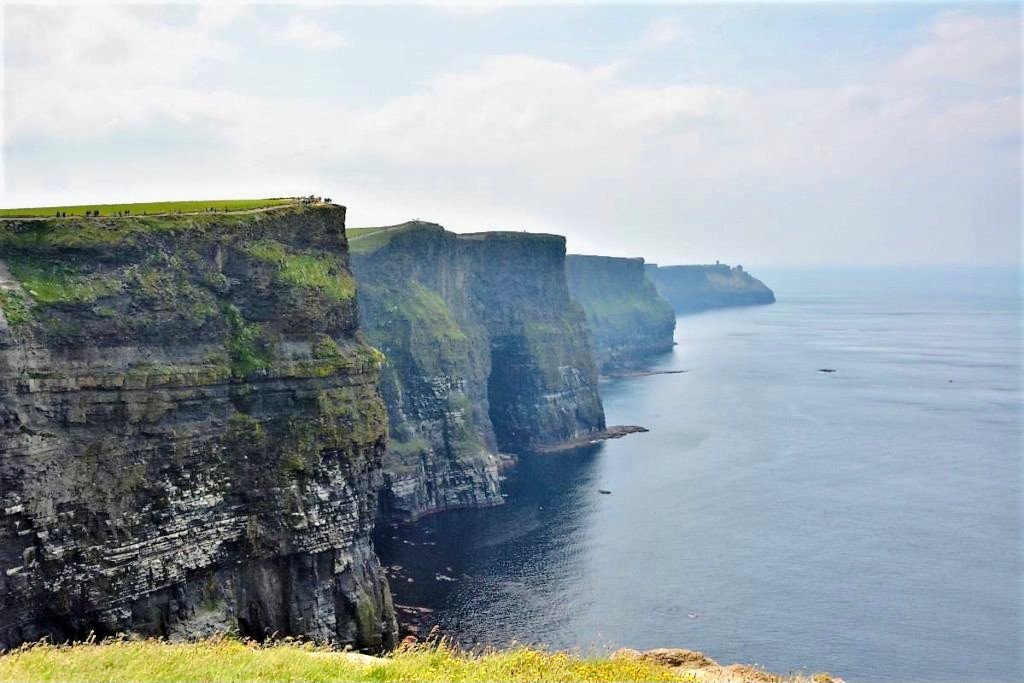
A significant highlight of this trail is the visit to the eminent Cliffs of Moher, Ireland’s most visited natural attraction, where the Atlantic swells crash against stunning cliffs.
This journey is usually ventured upon for about 5 days on foot.
7. The Causeway Coast Way.
Revered for the unique geological wonder, the Giant’s Causeway, the Causeway Coast Way is a breathtaking coastal scenery in Northern Ireland.
Stretching along 51 kilometers of the coastal path, leads through iconic historic sites seeping with folklore and legend.
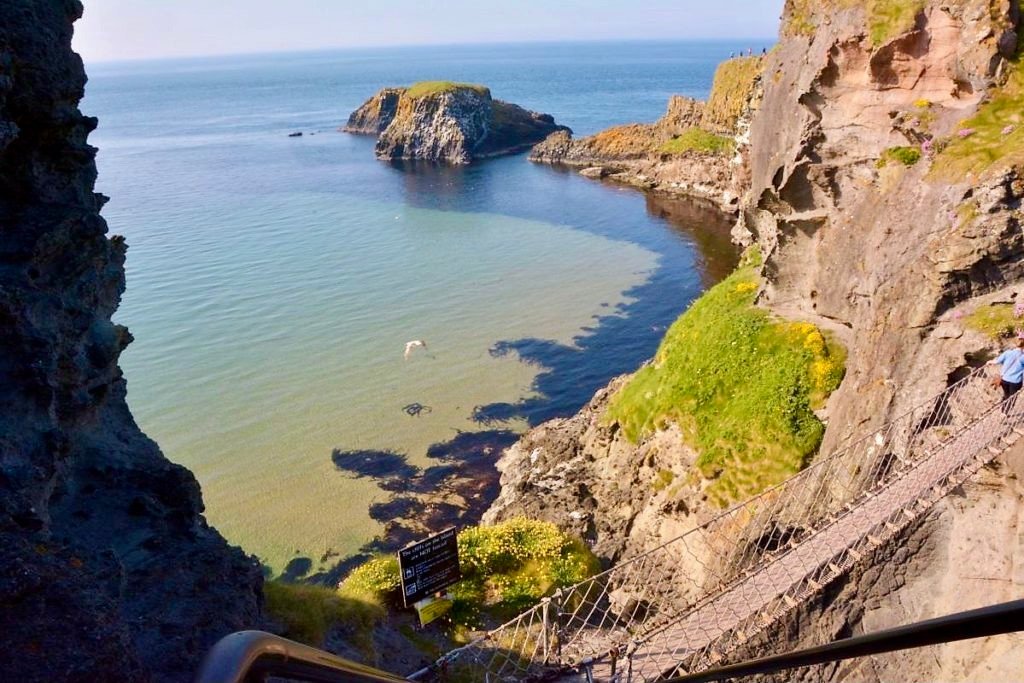
Additionally, the route takes hikers to the Carrick-a-Rede rope bridge, a thrilling crossing set nearly 30 meters above sea level.
The hike typically takes 2 to 3 days, making it a favorable choice for those looking for shorter getaways in Northern Ireland.
8. The Western Way.
The Western Way extends an invitation to nature lovers to soak in the breathtaking views of Lough Corrib, Killary Harbour, and the towering peaks of the Maumturk Mountains. The trail covers 179 kilometers.
Located in the western counties of Galway and Mayo, the trek is usually completed over a span of 7 to 9 days by individuals with an average fitness level and is regarded as moderately challenging.
9. Slieve League Cliffs.
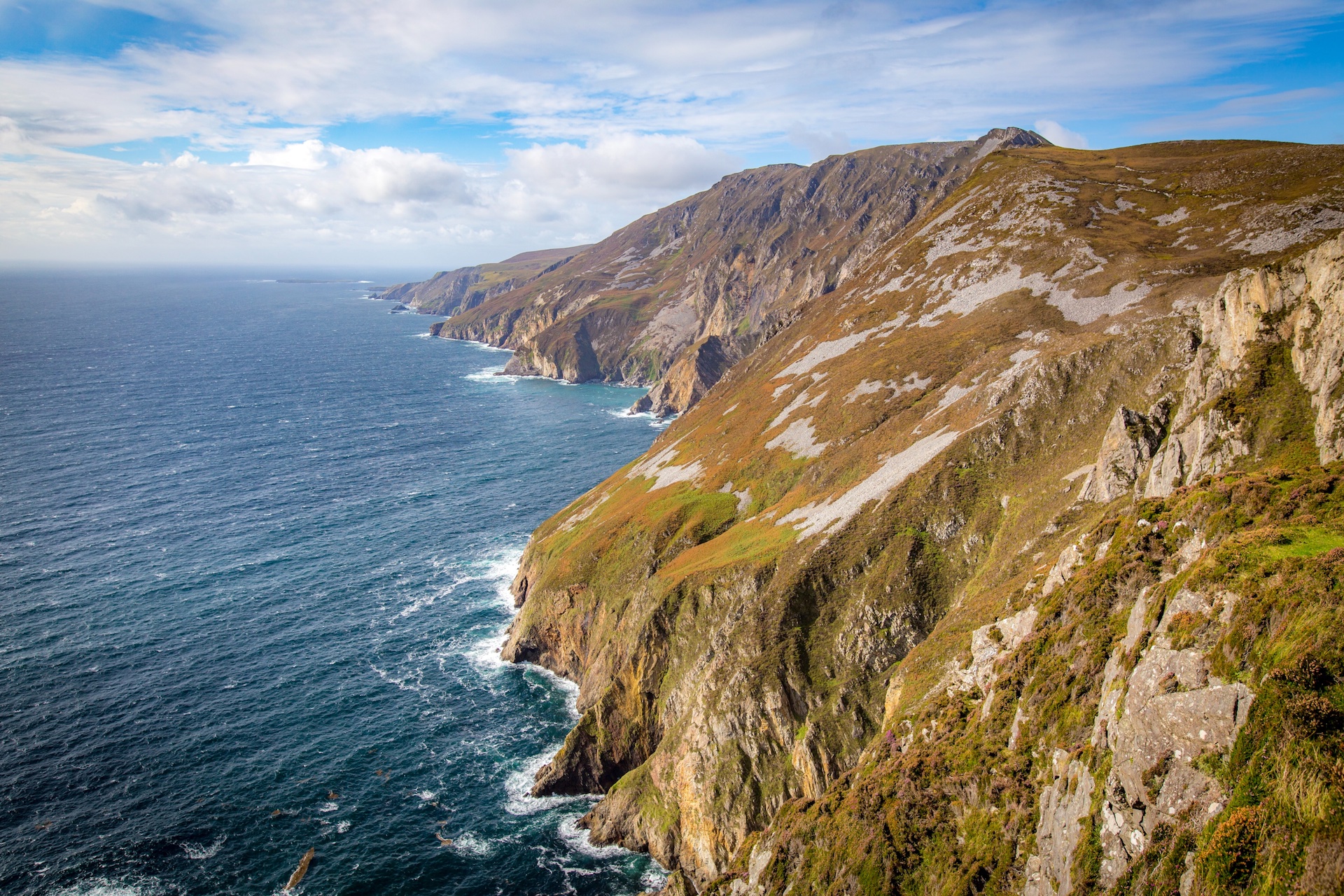
Slieve League Cliffs, located in County Donegal, are some of the highest and grandest sea cliffs in Europe, offer a hike less traditional, perhaps, but no less remarkable.
The overall walk is not overly long, amounting to a 7 km round trip.
Heights combined with occasional high winds and rough weather conditions can create quite a challenging experience.
Commanding breathtaking views across the Atlantic, Donegal Bay, and the Sligo Mountains, this hike is a wild challenge along Ireland’s west coast.
10. Twelve Bens Hiking Trail
Located in the heart of Connemara National Park, Twelve Bens was among the hardest hikes in Ireland I’ve ever done. It leads along a rugged mountain range known as Twelve Bens. The trail is as challenging as rewarding but remember first you need to complete it.
The total distance and difficulty can vary depending on which – and how many – of the Bens you decide to tackle, but beware, this hike is not for the faint-hearted. It is an invitation to the brave-hearted, ready to be entranced by the untamed beauty of Connemara.
Tips for Hiking in Ireland
Hiking in Ireland is a journey into a world of magic landscapes and panoramic views. However, it’s essential to be well-prepared and knowledgeable about:
- Ireland’s changing weather,
- appropriate gear,
- navigation on the trails.
The Weather and The Best Times to Go
The weather in Ireland is infamously changeable, so it’s crucial to check the forecast before setting out and be ready for all conditions, even in the height of summer.
Typically, the most suitable time for hiking is between April and October, when the weather is relatively warm and daylight hours are longer.
However, certain trails, particularly the mountainous ones, can reveal their own unique beauty in other seasons too.
B. Necessary Gear You Should Prepare
Ireland’s unpredictable weather makes good quality, waterproof gear essential. Invest in waterproof hiking boots that can stand up to muddy trails.
Opt for layers and breathable fabrics to adjust to the changing temperatures quickly. Don’t forget reliable rain gear, too – a waterproof jacket and pants are a must.
C. Safety Precautions and Things to Avoid
Before starting the hike, ensure you are aware of the trail’s length and difficulty.
Always tell someone where you’re going and what time you expect to return. No matter how safe an area seems, don’t leave valuables unattended.
Beware of wildlife and respect their space.
Lastly, adhere to the principles of ‘Leave No Trace’ to help preserve the natural beauty of Irish trails for generations to come. Never veer off the trail unless necessary: erosion from foot traffic can be an issue.
Remember – the aim is to enjoy the walk and the beautiful natural world around you while staying safe and respecting the environment.
How difficult are hikes in Ireland?
EASY:
1. The Causeway Coast Way – 4/10: This trail is generally favored for shorter holidays, taking 2 to 3 days to cover the 51 kilometers path. Hikers enjoy the coastal terrain composed of rugged cliffs.
2. The Dingle Way – 5/10: With a distance of nearly 179 kilometers, this trail can be comfortably completed in about eight to nine days. It caters to most fitness levels and offers rich historical and natural attractions.
3. The Sheep’s Head Way – 5/10: For casual hikers, this moderate-difficulty trail encompassing 88 kilometers is suitable and can be completed in about four days.
Medium:
1. Wicklow Way – 6/10: A moderate challenge due to its lengthy 131 kilometers stretch that is usually completed within a week.
2. The Kerry Way – 6/10: This trail traverses over 200 kilometers, taking about nine days to complete. The difficulty varies from one stretch to the next but is mostly manageable for an averagely fit individual.
3. The Beara Way – 6/10: A moderately challenging trail that spans 206 kilometers and takes about nine days to complete.
4. The Western Way – 6/10: Located in the western counties, this 179-kilometer trail presents moderate challenges and can typically be completed in seven to nine days, offering a compelling mix of landscapes.
Hard:
1. The Burren Way – 7/10: This 114 kilometers trail poses a slightly higher challenge and usually takes about 5 days to traverse through.
2. Slieve League Cliffs – 7/10: The hike is not overly long, but the high winds and rough weather combined with the significant heights can make this 7 kilometers trail quite challenging despite its shorter distance.
3. Twelve Bens Hiking Trail – 9/10: Offering varying distances and difficulties depending on the chosen path, this trail is a challenging path through steep and rocky terrain.
Gear up for Ireland’s hiking adventure!
Choose the best hikes in Ireland between the Wicklow Way’s, the dramatic beauty of The Kerry Way, or the spectacular views from the Slieve League Cliffs – each trail has its own distinct charm,
As Clare Wanders quoted, “To those who can dream, there is no such place as far away.”
Note: This post may contain affiliate links, which are at absolutely no cost to you – I can earn a small commission on sales generated through this website and thanks to that I can share travel guides and inspirations that may help you reach your dream destinations and discover our unique world. I only recommend sites I actually use and have traveled to. Thank you for your support!