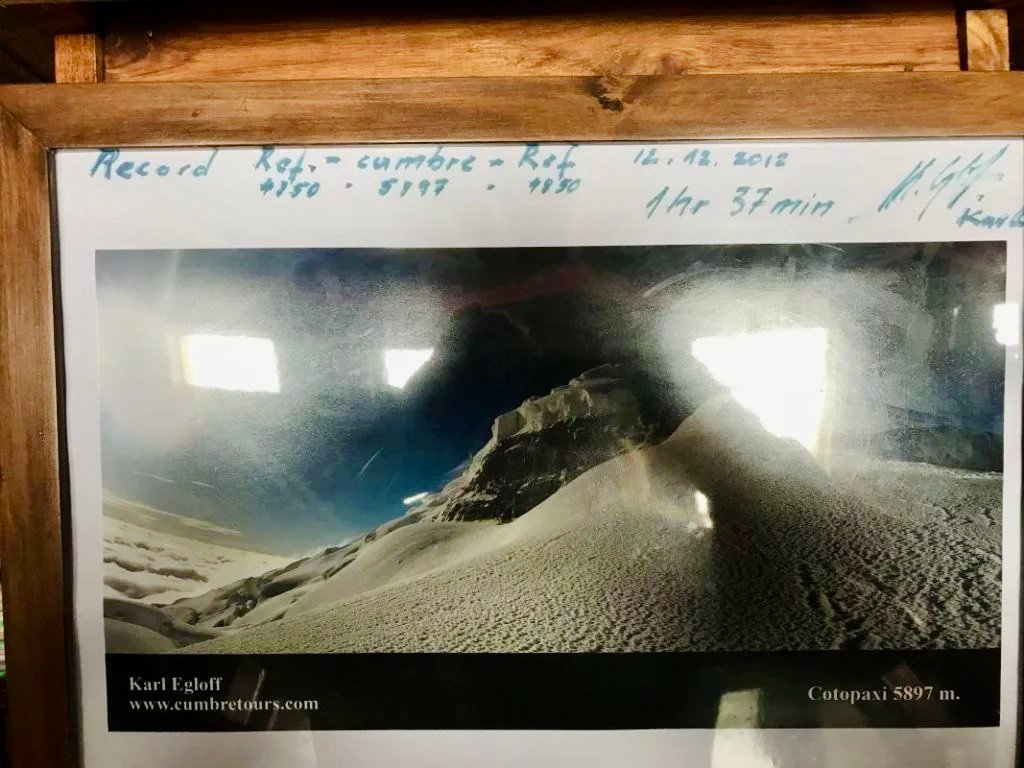
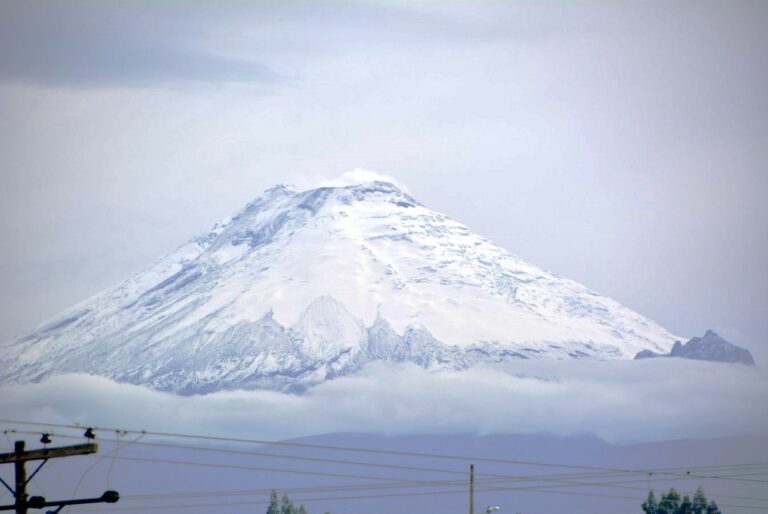
Cotopaxi – the neck of the moon – is highly active, the second-highest volcano in Ecuador and one of the highest in the world – was closed for visitors in 2023. Due to the high emissions at the end of 2022, climbing Cotopaxi Volcano between 2023 and 2025 was impossible. But in 2026, the volcano reopened its door and multiple international and local expeditions are running summit attempts!
Climbing Cotopaxi Volcano 5 897m.
It’s not a secret – Cotopaxi was one of the most accessible 6000 metres mountain in Ecuador, which remains relatively cheap to climb. Cotopaxi is a perfect destination for practising high-altitude mountaineering. The climb can be achieved in a few days at very low cost compared to other 6 000 metres peaks.
Cotopaxi (5897 metres) is the second highest volcano in Ecuador, after Chimborazo Glacier Ecuador’s highest volcano reaching 6310 metres.
Some fascinating facts about Cotopaxi Volcano!
- Cotopaxi Volcano (5897 m) is the highest active volcano in Ecuador and the second-tallest volcanic peak of the Ecuadorian Andes.
- The closest town to Cotopaxi Volcano is Lasso. The biggest danger for Lasso is not the Cotopaxi lava eruption but flooding (the volcano lava would be responsible for melting the glacier and flooding the town).
- The evacuation time for Lasso in case of a volcano alert is 10 minutes for Latacunga, 40 minutes.
- There are around 75 volcanoes in Ecuador and 20 of them are active , but Cotopaxi is the most dangerous/active.
- The last big eruption took place in 1978, but strong ash activity was registered in January 2016 and at the end of 2022.
- Climbing Cotopaxi Volcano in 2026 is possible again!
Is it difficult to climb Cotopaxi?
Cotopaxi is a non-technical climb but it involves glacier climbing. Before approaching Cotopaxi, check what the activity flag is for the volcano peak. There are 4 flags: white, yellow, orange and red.
Cotopaxi is located only 50 km from Quito – the capital city. Entrance to Cotopaxi National Park is free of charge. The trail up to the Base Camp at 5000m is quite visible. Hiring a professional guide is recommended if you are approaching the Cotopaxi summit.
Climbing experience and equipment are absolutely crucial for summiting, therefore it’s better to have an experienced person by your side. Besides, climbing Cotopaxi Volcano is not that straightforward, due to the changeable weather conditions. Although we didn’t climb the peak, our guide was really supportive, and I can’t imagine hiking this trail without any guidance.
Climbing Cotopaxi with a guide.
There are plenty of Cotopaxi Tours from 2-5 days, ranging from $290-$600. There are also different routes leading to the top of Cotopaxi. At that stage, we were only prepared for the Base Camp hike (up to 5000m).
Here are 10 Best Cotopaxi Province Tours & Excursions.
I booked 1-day Cotopaxi National Park Tour which included:
- Guide with a 4WD car (driving from Quito to Cotopaxi starting point),
- Visiting flea market,
- Hiking Cotopaxi Volcano up to the glacier (above Base Camp),
- Dinner,
- Visiting Limpiopungo Lagoon (Laguna de Limpios) – INCREDIBLE!
- Fascinating stories, which you won’t find on the internet – interacting with local communities is the best part of any trip!
Whatever tour you’ll book, make sure the guide drives a 4WD car! It is impossible to get there in a regular car. You will drive up to the highest available point and leave your car at the car park. From this point, you would need to walk about. 45 minutes to reach the Refugio Camp (4900 m) – this is the last base before the summit.
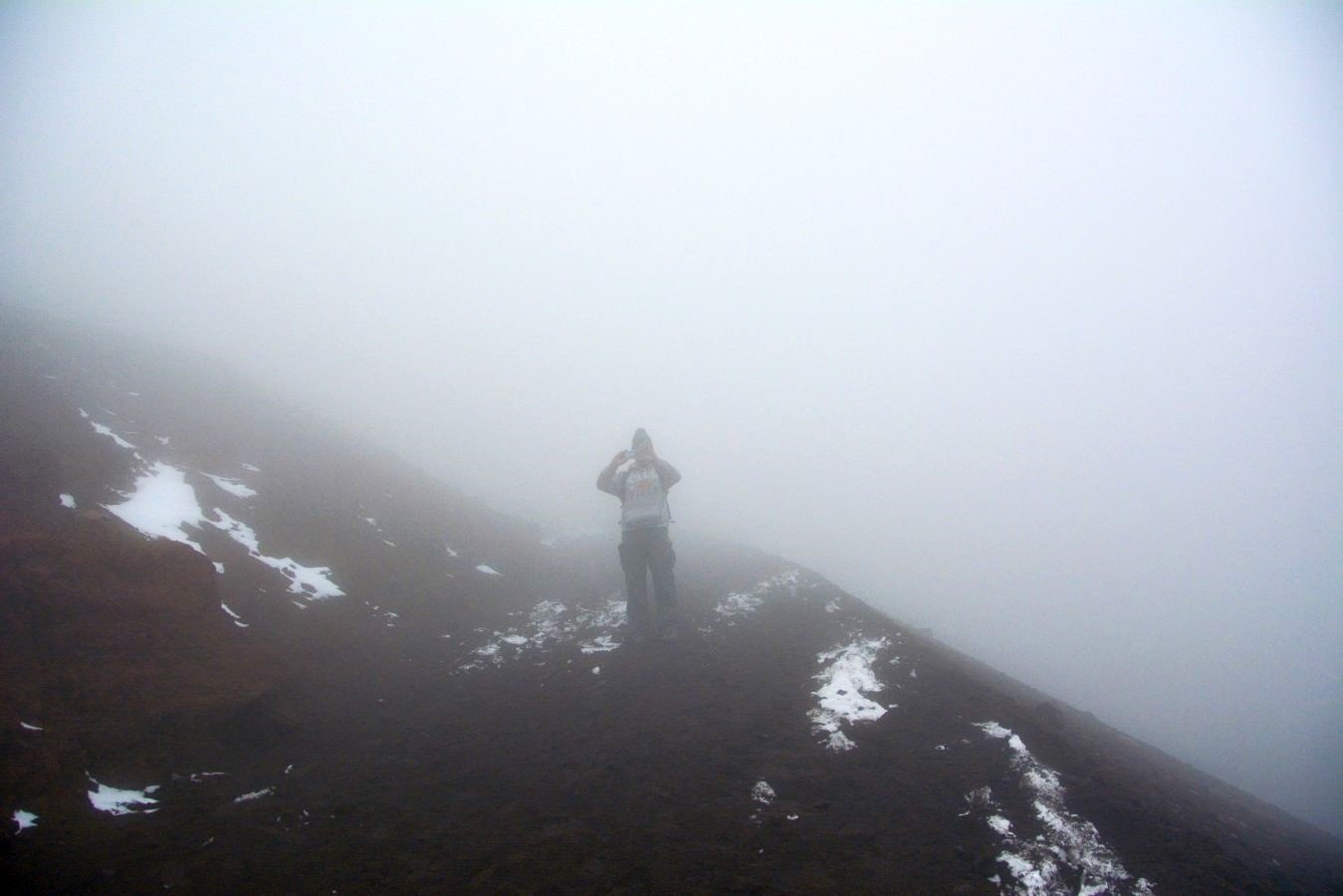
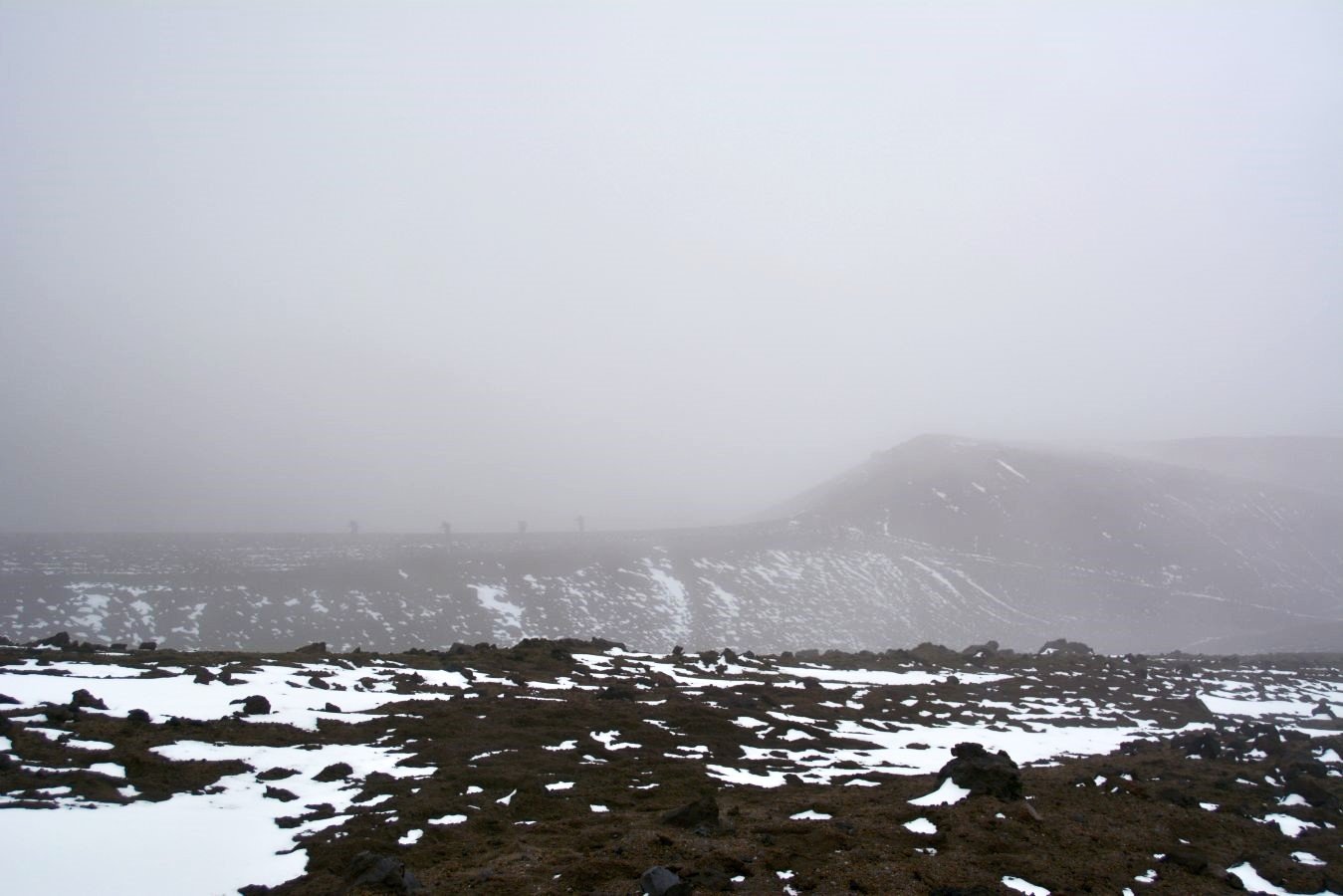
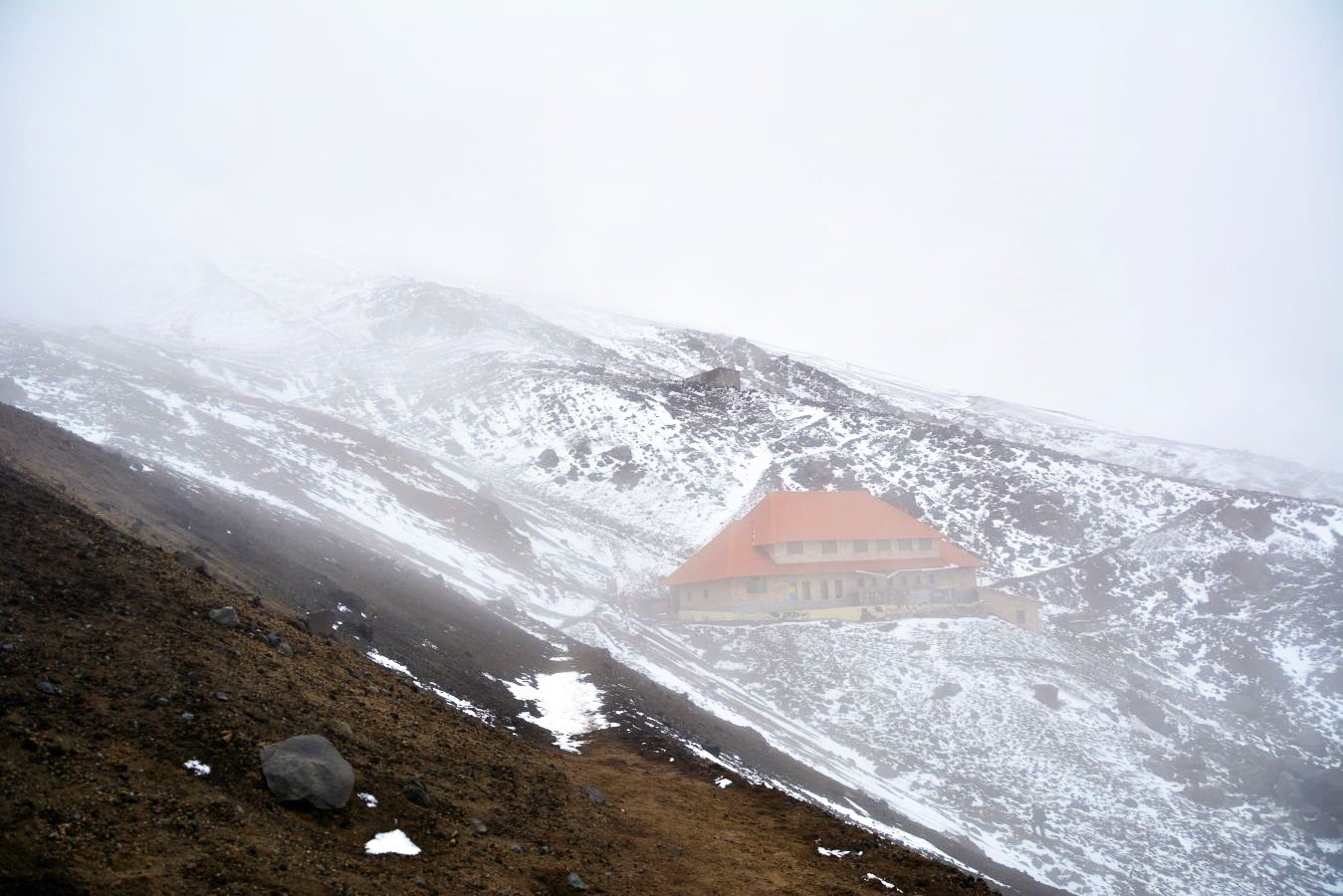
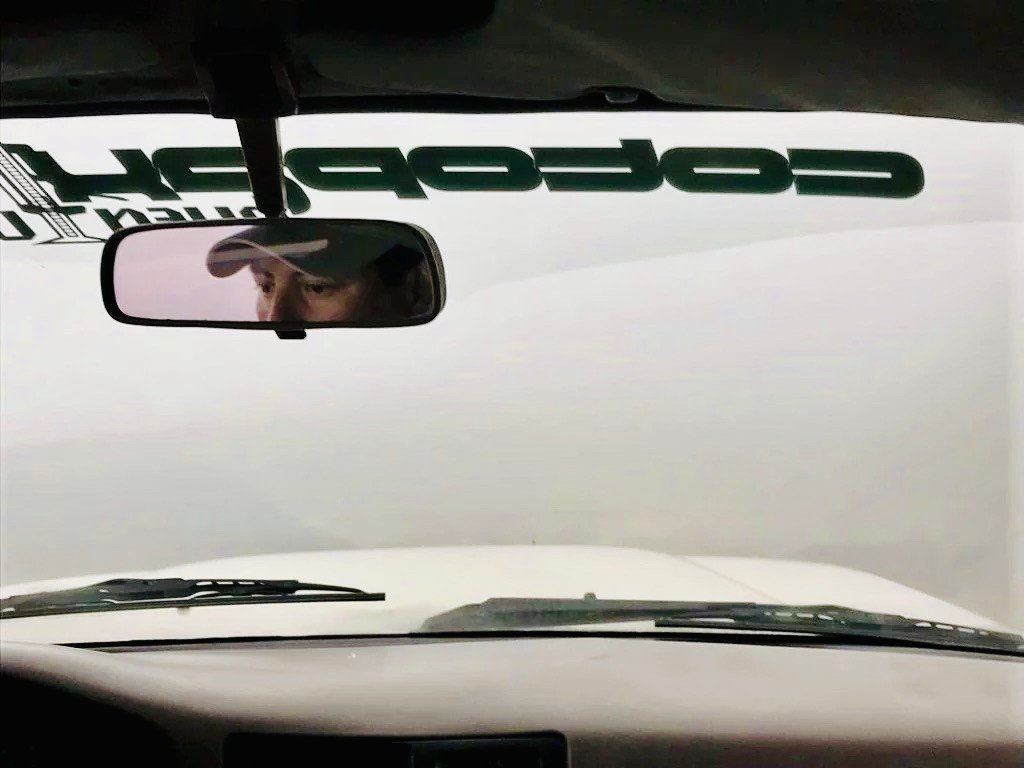
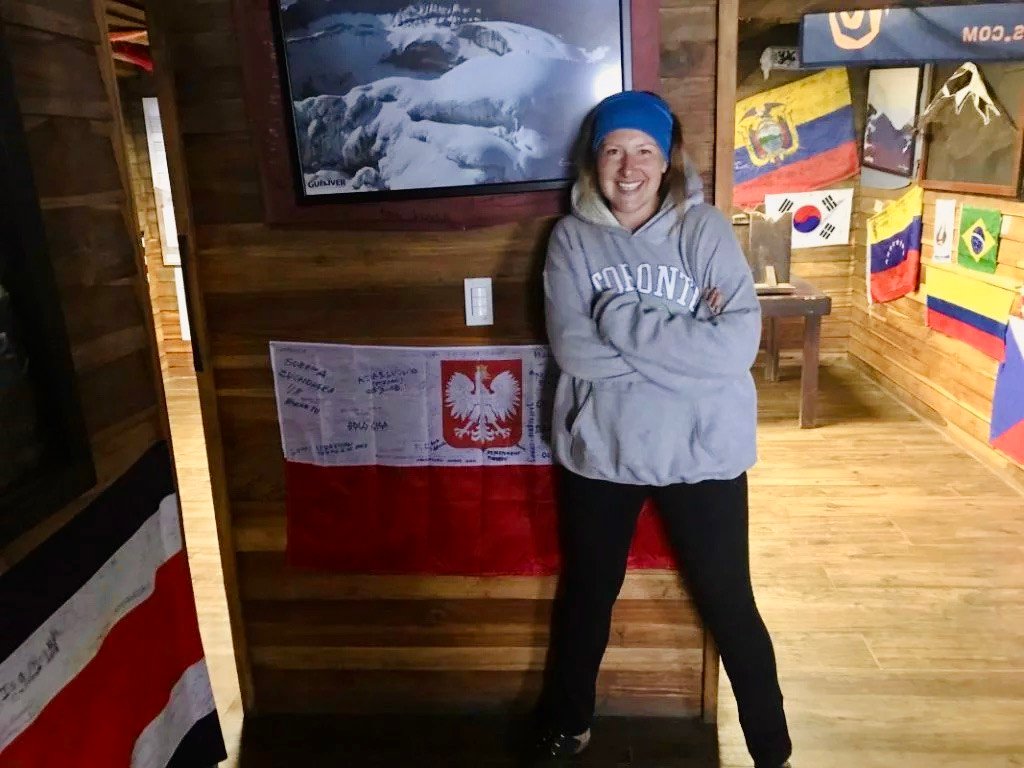
We had very little time for acclimatisation, so it was difficult to cope with the altitude. Refugio Camp is lovely, with all the walls covered with international flags. If you are climbing Cotopaxi Volcano peak, this will be your overnight stopover. Usually, the ascent takes two days.
You wake up at midnight or 1 am to reach Cotopaxi peak for 6-7 am the next day (it takes 7 hours to climb from Refugio Camp up to the crater). We hiked Cotopaxi in October, and there was snow at the level of the base camp. It was extremely foggy during the hike and visibility was close to zero.
Once you reach Refugio Camp, you will have a short break for tea and a snack before hiking an additional 100 metres up to the glacier. This 100 metres will take another 45 minutes. Hot coca tea and chocolate are available in the camp to warm you up. We also got coca leaves from the guide, which help cope with high altitude symptoms.
Where to stay in Quito?
There are plenty of hostels in Quito to choose from, starting from $5/per night per room. Choose a place with view on Cotopaxi, a decent hostel is around $25/double room.
Altitude sickness - how to prepare for climbing Cotopaxi?
High altitude climbing is all about proper acclimatisation! If you have little experience or no time to acclimatise, you will struggle, but you’ll reach Refugio Camp. Usually, Cotopaxi ascent takes 2 days, but I would give myself 2-4 days.
For a proper acclimatisation, I would advise staying for 2-3 days at an altitude above 3000 metres. Be prepared, you might feel weak or even sick on the way to Cotopaxi. The heart is pounding, breath is shallow.
Most important – take it easy and take small breaks every few steps. Take plenty of water; you might not be thirsty in cold weather, but you need to hydrate regularly. You should drink 2-3 litres of water to speed up blood circulation. Some people carry coca tea in thermoses. Coca tea and hot chocolate are available in Refugio Camp, hot and sweet will serve you good.
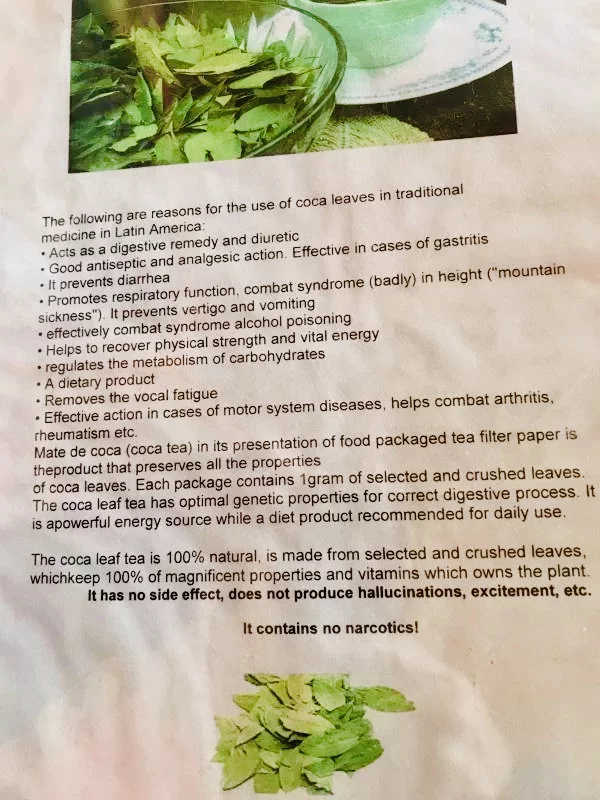
Dark chocolate and dry coca leaves are also good to have. Check the above instructions to learn about the use of coca tea in traditional medicine in Latin America.
The coca leaf tea is 100% natural, it has no side effects, and does not contain any narcotics!
Best time to climb Cotopaxi Volcano?
There is no best time to climb Cotopaxi volcano. It depends on what you expect to experience from this adventure. Best visibility is during summer – clear air and volcano view. But winds in summer are strong and tend to be freezing, so you would need proper clothing. October and November are best months for climbing as there are no winds but it might get very cloudy and freezing as well.
Cotopaxi National Park.
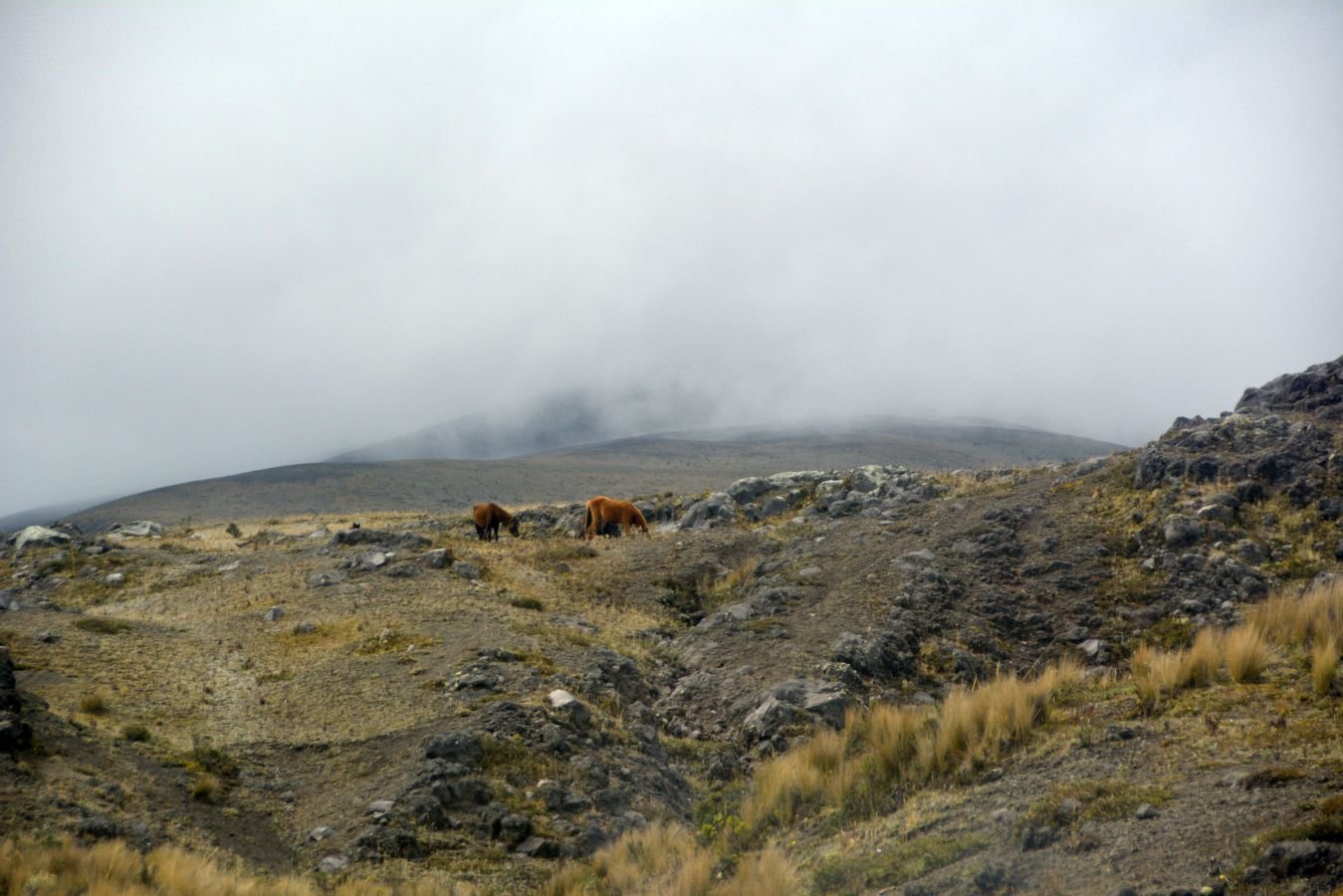
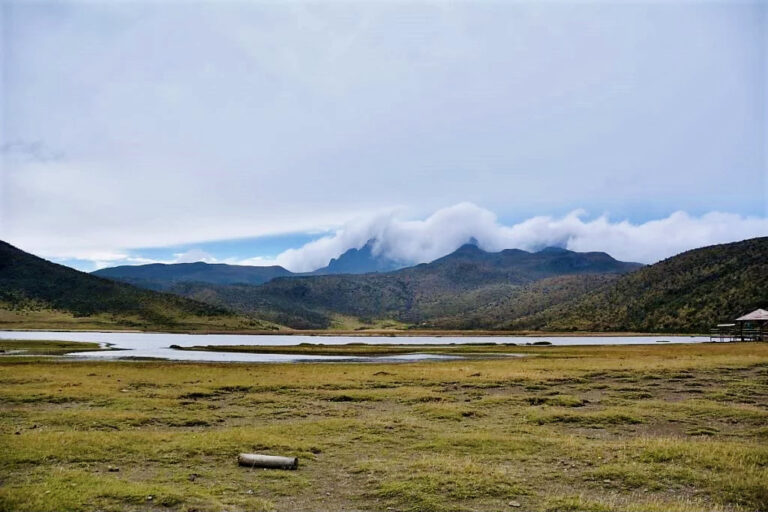
Mountain views from the trail are magnificent. Sometimes you’ll even spot wild horses. If you are lucky with air visibility, you’ll be able to spot Cotopaxi peak above the cloud level. It makes you realise how enormous the mountain is.
Cotopaxi lava is not the same as that in the Galapagos volcanic islands. Lava in Galapagos is very liquid. In the mainland, lava is very dense, and lava rocks are much heavier than average stones. For this reason, the volcanic ash is commonly and effectively used for road-building.
Climbing Cotopaxi summit.
One guide is advised for 2 people. You need two guides for a group of 3. You start climbing around 12 p.m (midnight), it takes around 6-7 hours to climb the summit from Refugio Camp.
You should reach the summit by 6-7 a.m. The way to the top is not very difficult; it does not require any technical climbing but involves glacier climbing. Technical equipment is required – crampons and an ice axe. Remember, it is still a very challenging expedition in severe winter conditions. It can be freezing at the summit, our guide told us you can stay up to 10 minutes. Climbing down takes approx. 3 hours.
Note: This post may contain affiliate links, which are at absolutely no cost to you – I can earn a small commission on sales generated through this website and thanks to that I can share travel guides and inspirations that may help you reach your dream destinations and discover our unique world. I only recommend sites I actually use and have traveled to. Thank you for your support!