Spain has always held a special place in the hearts of independent travelers. Its welcoming spirit make it an ideal destination for unique experiences. While exploring all the 17 regions of Spain, which differ in every possible aspect, I also learned that sometimes the smartest approach combines independence with structure. That’s where Spain tours packages can offer tremendous value—giving you the freedom to explore while handling logistics that would otherwise consume precious adventure time.
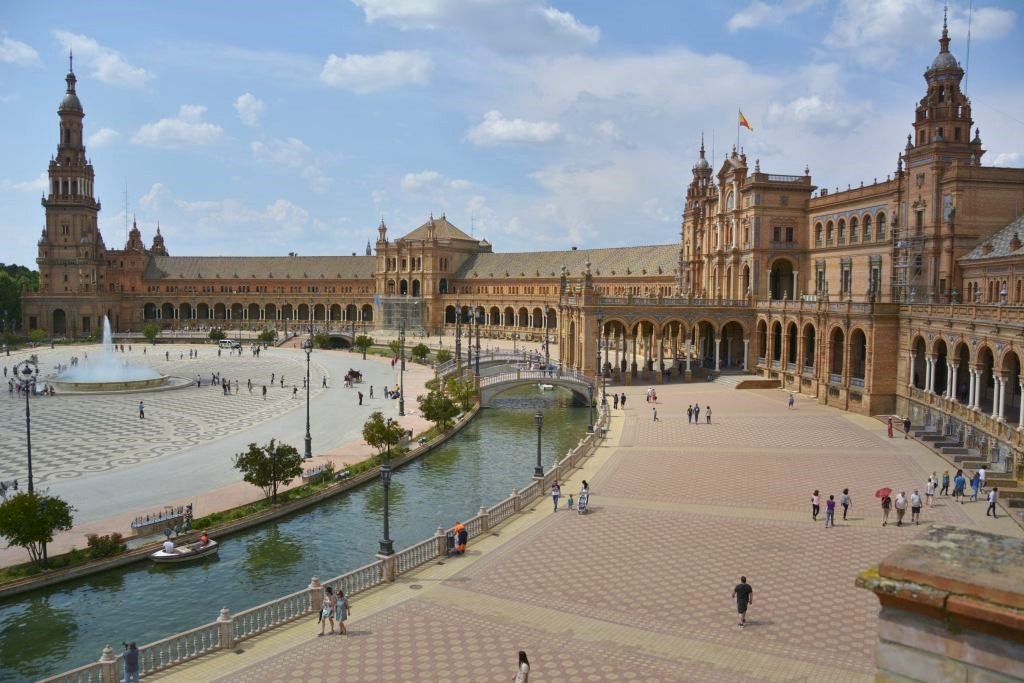
The advantages of Spain tours packages.
Spain is so huge and diverse that it would take ages to explore all its wonders. When most people think of Spain, they picture flamenco dancers, paella, and Barcelona’s Sagrada Familia. Treating Spain as a single destination would be a massive mistake. This country occupies a complex position between Europe and Africa, Christianity and Islam, tradition and modernity.
There are several highlights like the Camino de Santiago, streets of Andalusian white villages, or perfect sunset over the Mediterranean. The Pyrenees mountains offer serious hiking terrain with number routes that test your endurance. In the north, the Picos de Europa present dramatic limestone peaks and deep gorges perfect for multi-day treks.
The Basque Country’s beaches draw surfers seeking Atlantic swells. Inland, the vast plains of Castilla y León and Extremadura offer cycling routes through wheat fields and ancient Roman roads, passing medieval castles and shepherd villages where time moves at a different pace.
Navigating Spain's Regions.
Spain’s regional diversity means you could spend months exploring without exhausting its possibilities. I know what I’m talking about because I explored them ALL. Each autonomous community possesses its own character, cuisine, and sometimes language. Catalonia speaks Catalan alongside Spanish. The Basque Country has Euskera, a language so unique it’s not even Indo-European.
Must-see Celtic Galicia.
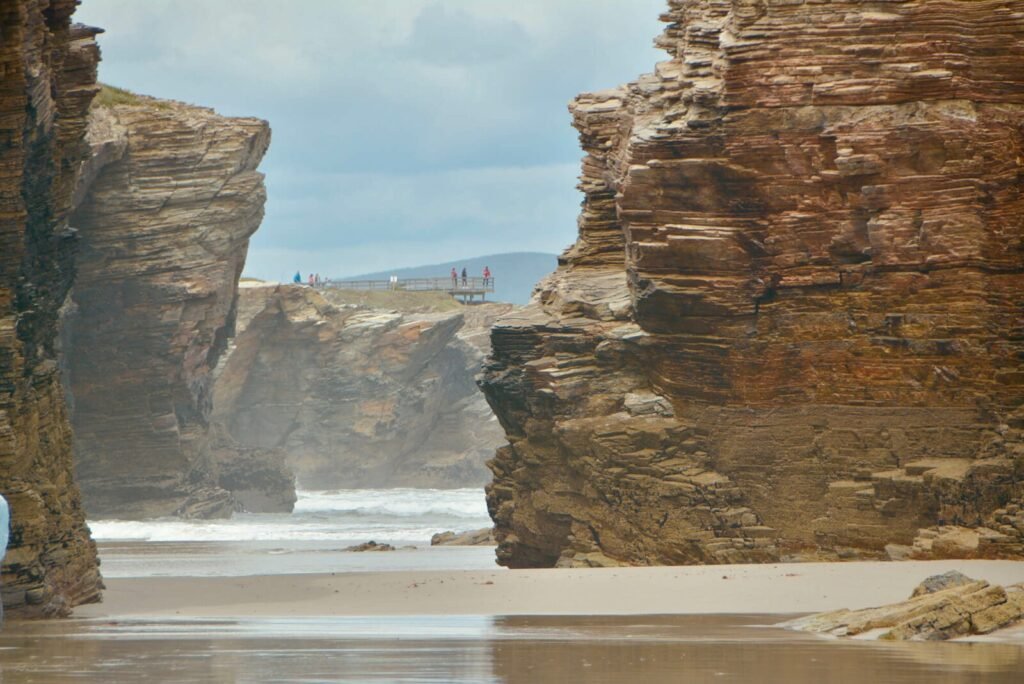
Galicia in the northwest feels more Celtic than Mediterranean, with mist-covered hills, granite villages, and a seafood tradition that rivals anywhere on earth. The Camino de Santiago winds through this region, attracting pilgrims and hikers who seek both spiritual renewal and physical challenge.
Half a million people are completing the Santiago de Compostela walk each year, and almost 5 million are visiting the amazing Galicia region. This is where Spain tour packages work well for visitors, the local transport exist but it’s not as well-developed as in other regions.
Must-visit: Santiago de Compostela, Vigo, Playa de Catedrales.
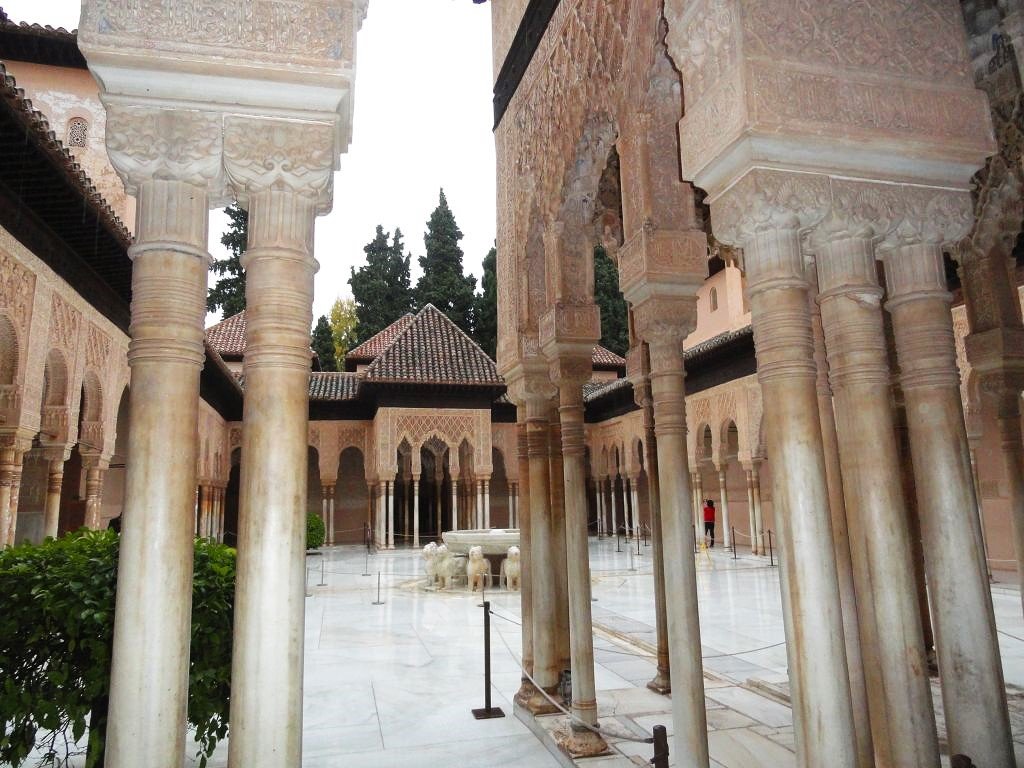
Granada: Alhambra magic after dark!
Andalusia dominates the south with its Moorish heritage visible in architecture, gardens, and place names. Cities like Seville, Córdoba, and Granada showcase Islamic influence through intricate tile work, horseshoe arches, and courtyard designs.
If you only do one organised night tour in Spain, make it the Alhambra after sunset. This is where the Spain tour packages really make sense due to the intensification of the heritage.
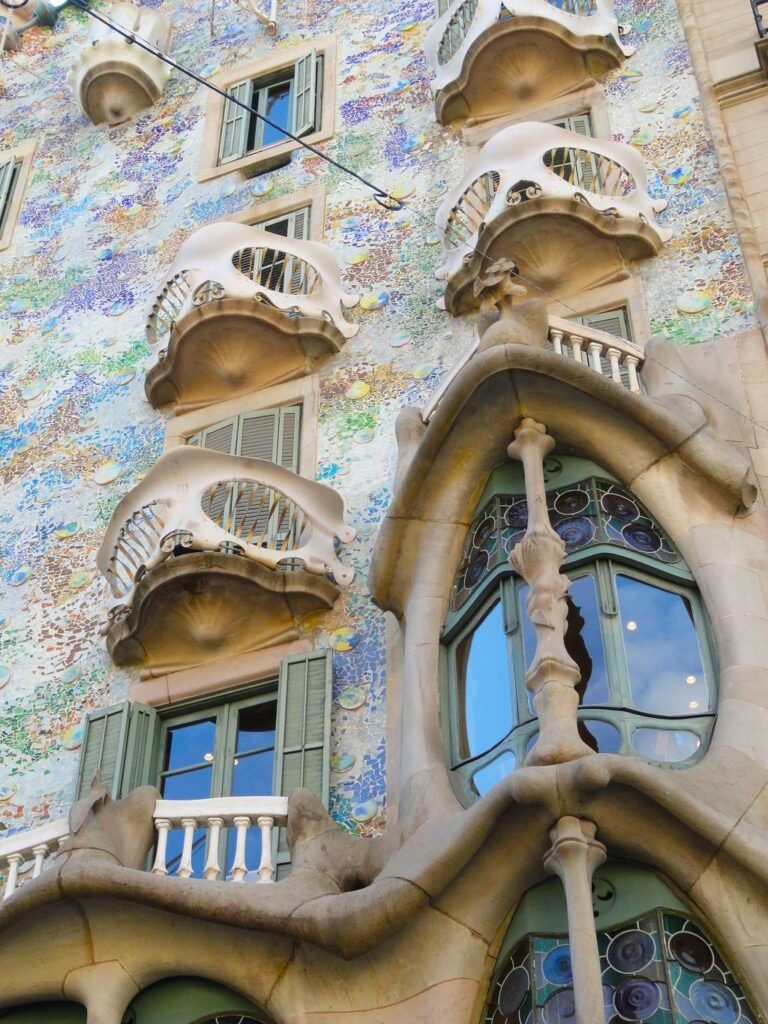
Barcelona - urban energy meets Gaudi Genius!
Catalonia brings a distinct identity shaped by Barcelona’s modernist architecture and a fierce pride in regional traditions.
Start in Barcelona, the perfect gateway for solo travelers. The city buzzes with energy, has excellent public transportation, and is genuinely easy to navigate alone.
The organised adventure: Book a small-group Gaudí architecture tour, but not the typical ones. Look for tours that include a food component or a skip-the-line Sagrada Familia experience combined with a local’s perspective on why this basilica matters so deeply to Catalans.
Aragon Region.
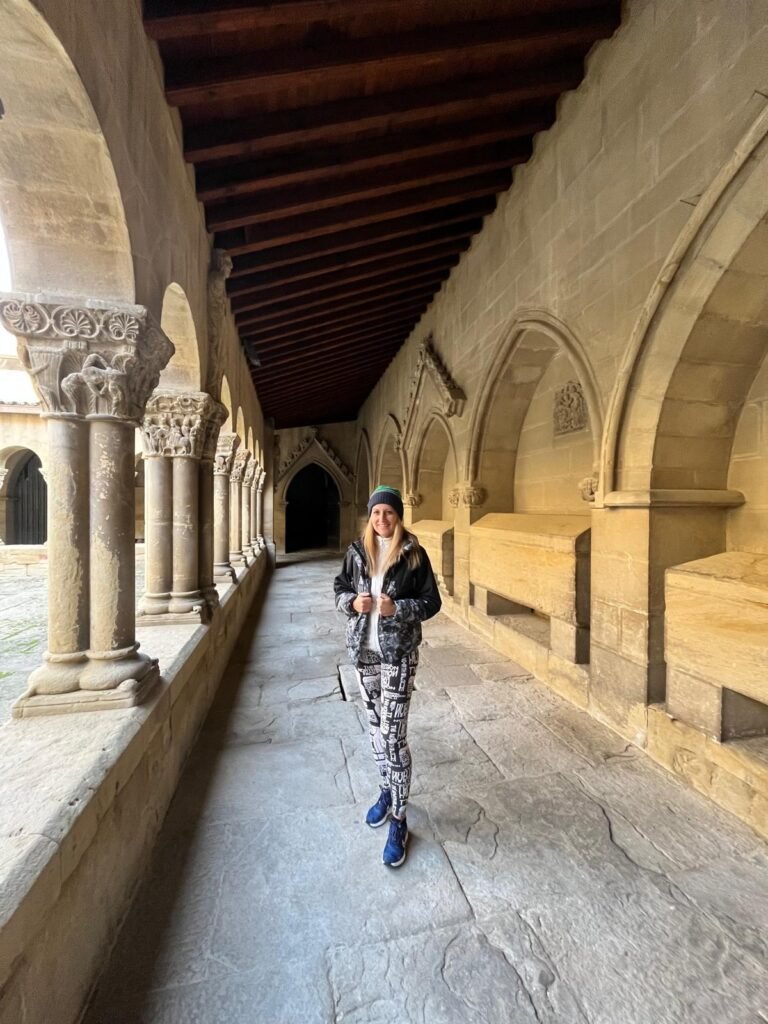
Aragón (Zaragoza, Huesca, Teruel). Huesca was overwhelming with its vibe and medieval architecture. This is where I realised Spain’s real magic often lives off the highway.
Places to visit: Huesca, Zaragoza.
Salamanca - The Castilla y León.
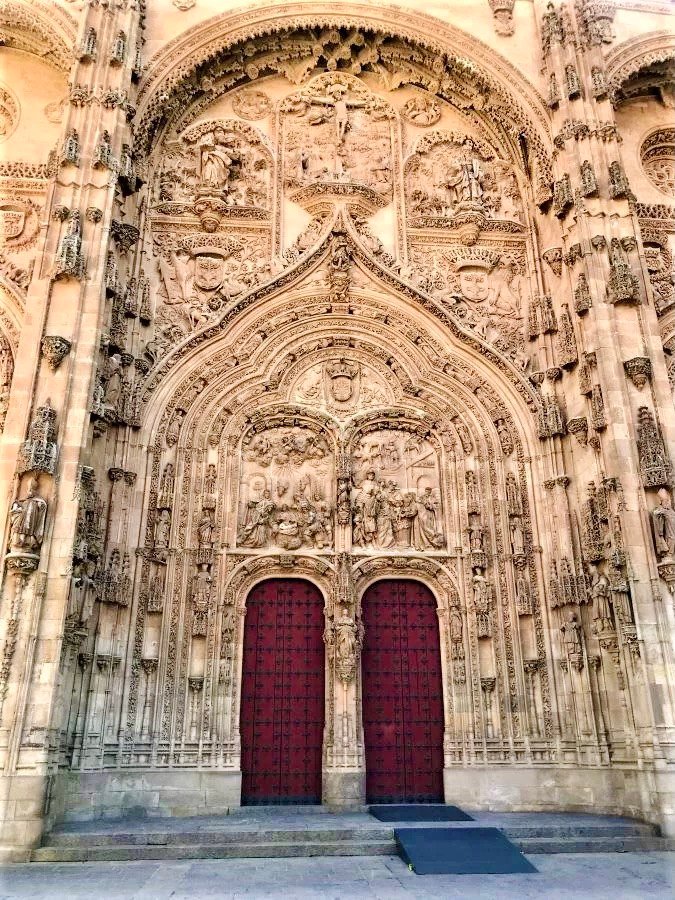
The Castilla y León region with Salamanca and León, is breathtaking! This is Spain’s historical heartland, and driving through it is like moving through different centuries. The Roman aqueduct in Segovia, the golden stone of Salamanca, the cathedral in León—each town felt like a complete world.
I mixed car travel with local buses, which connected small towns beautifully. Then hired a car for another week to explore the region. The University of Salamnaca founded in 1218 by King Alfonso IX, is the oldest in Spain and one of the oldest in the world still in operation.
Spanish cuisine!
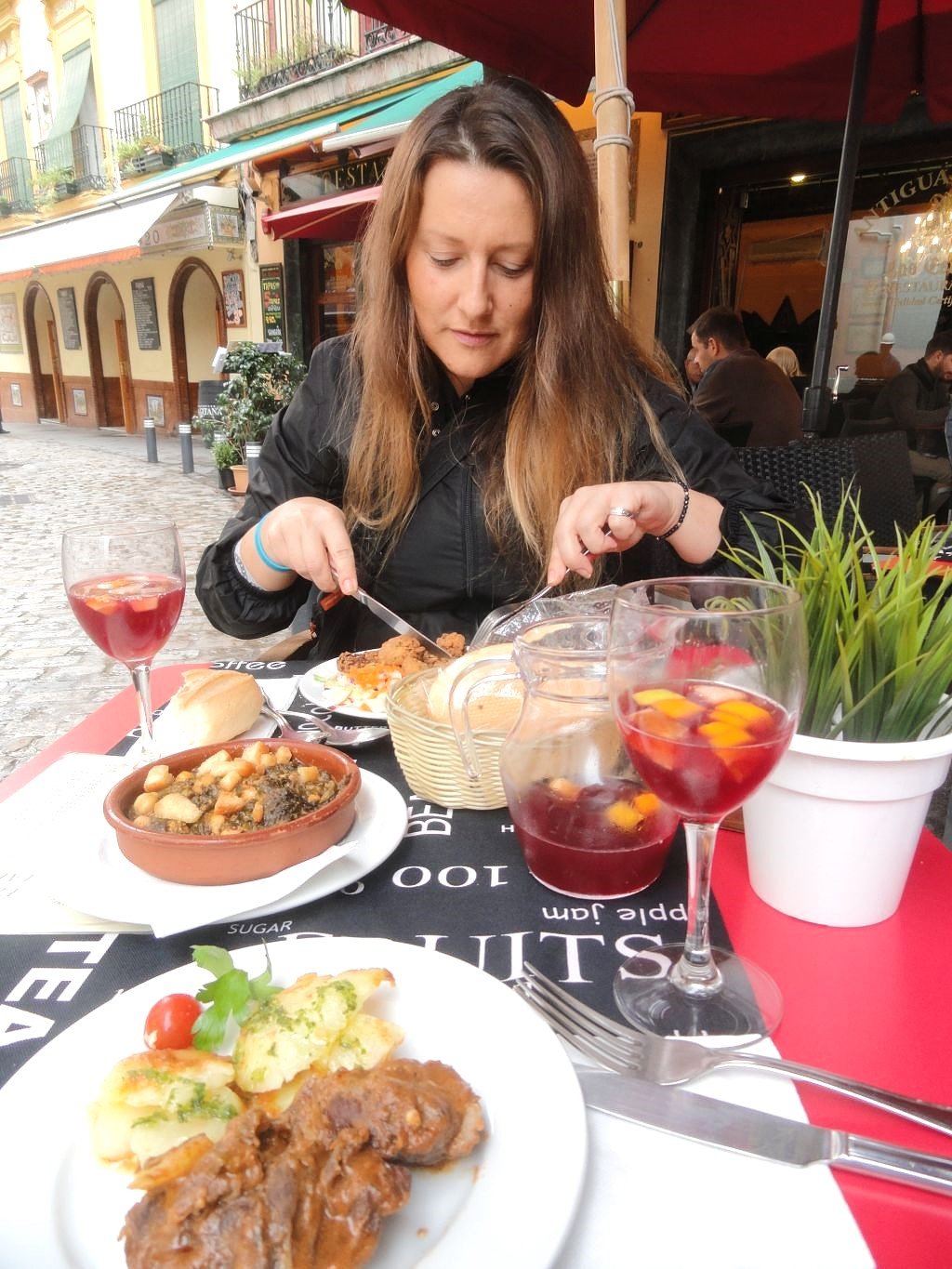
Spanish food culture centers on sharing and conversation. Tapas aren’t just small plates—they represent a social philosophy where eating becomes a communal experience. You move from bar to bar, sampling different specialties, standing at counters alongside locals who’ve been coming to the same spots for decades.
My favourites: Pimentos de padron, garlic shrimps, tortilla – you’ll find the best in the cheapest bar /along with best espresso for 1 euro/.
Ask for El plato del día – dish of the day. It is usually fresh and cheap position from the menu.
Regional cuisines reflect local geography and history. Galicia’s octopus is prepared simply with olive oil and paprika. Valencia’s paella originated as a farmers’ dish cooked over open flames in rice fields. The Basque Country is a master of seafood stews.
Each meal tells a story about the land and the people who’ve worked it.
Transport in Spain - Transportation - what works best for solo travelers?
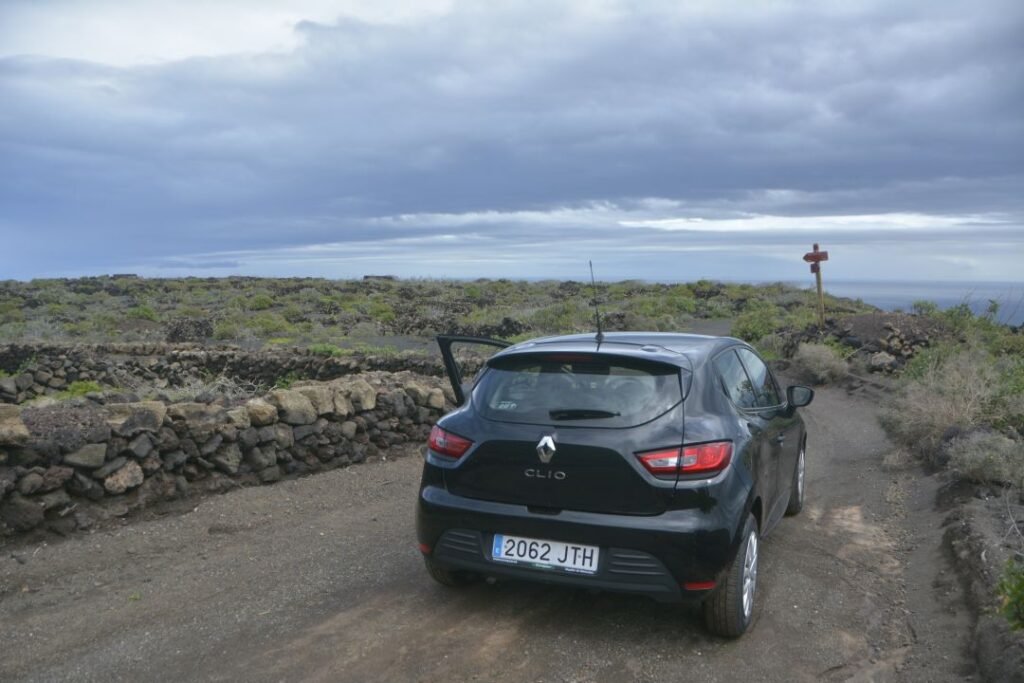
Renting a car worked best in rural areas—Aragon, Castilla y León, and Extremadura. These regions have charming towns spread across distances that don’t make sense for buses. I’d rent for 7-10 days, which amortized the cost nicely. Spanish highways are well-maintained but sometimes expensive. Take national routes instead, which areslower but cheaper and more scenic.
Public transport excelled in regions with good infrastructure. RENFE trains between major cities (Madrid, Barcelona, Seville, Bilbao) were reliable and comfortable. In city centers—Barcelona, Madrid, Bilbao, Seville—metro systems and buses were usually faster than driving.
Local buses were my secret weapon. Slower than trains but cheaper and more intimate, they connected smaller towns and revealed everyday Spain.
Walking deserves mention. Once in a town, I’d always walk. Spain’s town centres are designed for it, and you see 100 times more than driving through.
Spain tour packages – absolutely yes, the tours are organised smartly, allowing you to see more in a comfortable way. Taking a tour is a nice rest from planning and managing an itinerary on your own.
Accommodation in Spain.
Accommodation ranges from basic hostels to luxury paradores—historic buildings converted into hotels. Smaller towns often have family-run guesthouses where owners share local knowledge and restaurant recommendations. Booking ahead matters during major festivals but shoulder seasons offer more spontaneity and lower prices.
Language skills disappear outside major tourist zones. 😉 English proficiency varies widely—Barcelona and Madrid have more English speakers, while rural areas rely primarily on Spanish. Learning basic phrases is crucial – seriously in some regions they did not understand a single word in English. And Spanish people appreciate the effort, even the pronunciation sucks.
When do organised tours make sense?
I generally avoid group travel, but I recognize situations where organized tours deliver advantages that independent planning would consume more time and effort. Hiking the Camino de Santiago, for instance, involves coordinating accommodation in small villages with limited options during peak season. A well-designed tour handles these logistics while preserving the walking experience that makes the pilgrimage meaningful. I know a lot people who did it and they say it was the trip of their life.
Multi-region itineraries also benefit from professional planning. Visiting the Alhambra requires timed tickets that sell out months ahead. Coordinating visits to multiple cities, managing train schedules, and ensuring you don’t miss key sites demands research time that eats into actual travel days. Quality tours solve these problems while adding context through guides who explain historical and cultural significance that you might otherwise miss.
The key is choosing tours that align with your travel style. Look for smaller groups that allow flexibility and authentic experiences rather than busloads shuttling between tourist traps. The best tours balance structured activities with free time for personal exploration. You want local expertise without sacrificing the spontaneity that makes travel exciting.
Best time to visit Spain.
Spain’s climate varies dramatically by region and season. Summer brings intense heat to southern areas—Seville regularly exceeds forty degrees Celsius in July and August. Northern regions stay cooler, making them ideal for summer hiking. Spring and autumn offer the best balance of pleasant weather and manageable crowds, particularly in Andalusia where spring flowers transform the countryside and fall grape harvests enliven wine regions.
Winter opens different possibilities. The Pyrenees and Sierra Nevada attract skiers, while coastal cities enjoy mild temperatures perfect for summer’s tourist masses.. While Christmas markets in Barcelona and Madrid create festive atmospheres.
Festival timing influences travel planning significantly. Running of the Bulls in Pamplona, Valencia’s Las Fallas, or Seville’s Semana Santa attract huge crowds and require booking. These events offer incredible cultural experiences but come with premium prices and reduced spontaneity. Smaller local festivals throughout the year provide similar authenticity with less chaos and expense.
Spaniards.
Spain is incredibly diverse. It’s a place where you start wherever your interests lead you and then stay longer than you initially planned. It’s where travel transforms from tourism into something deeper— the best Spanish experiences often happen when you slow down enough to notice them.
Note: This post may contain affiliate links, which are at absolutely no cost to you – I can earn a small commission on sales generated through this website and thanks to that I can share travel guides and inspirations that may help you reach your dream destinations and discover our unique world. I only recommend sites I actually use and have traveled to. Thank you for your support!