I think I might disappoint you by saying that there is no straightforward answer to the question of how difficult is climbing Kilimanjaro, because successful climbing at such an altitude depends on many different factors.
Conquering Kilimanjaro – one of the “Seven Summits” is challenging! If you’ve ever dreamed of standing on top of Africa’s highest peak, Mount Kilimanjaro, you’re not alone. Every year, thousands of adventurers from around the world make the trek to Tanzania to take on this iconic mountain – one of the “Seven Summits”. But before heading off to the “Roof of Africa” it’s important to understand just how challenging climbing Kilimanjaro can be. I’ll walk you through everything you need to know about the difficulties of climbing Kilimanjaro, along with some fun facts and practical tips to help you prepare for one of the most rewarding adventures of your life.
FACT: Mount Kilimanjaro is one of the “Seven Summits”, or the highest peaks on each of the seven continents.
How difficult is climbing Kilimanjaro?
- drinking enough water,
- eating proper food – nutritious and protein,
- going slowly,
- going high – sleeping low,
- getting good rest.
Facts about Kilimanjaro.
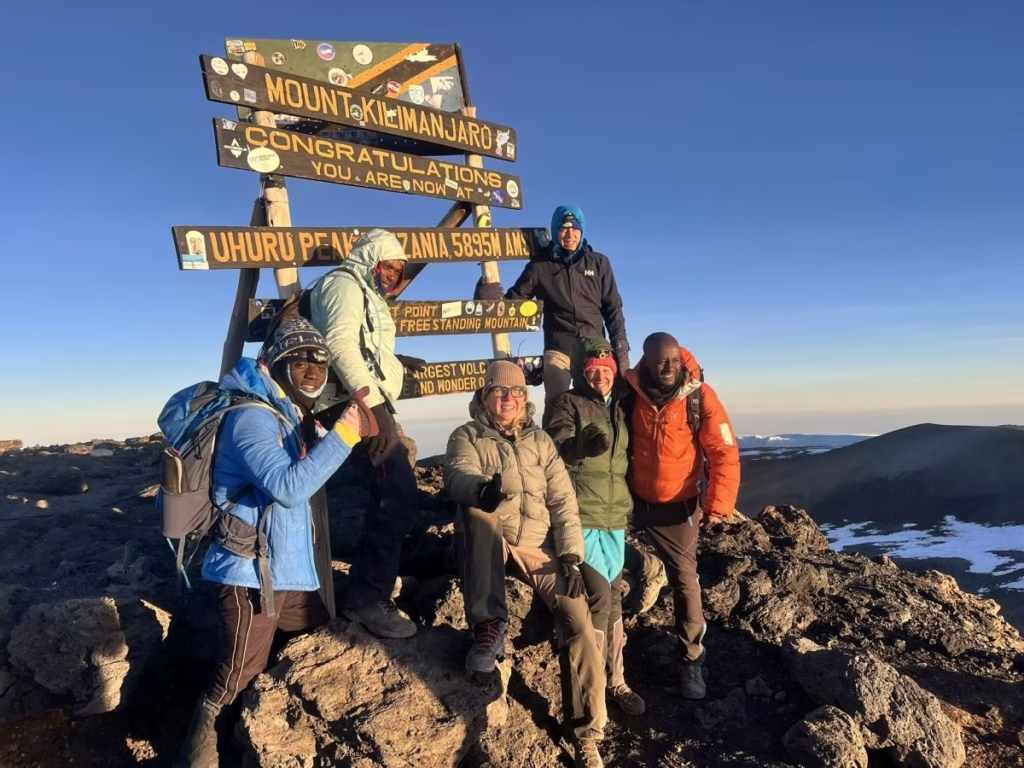
- Kilimanjaro real name is Uhuru Peak: 5,895 meters (19,341 feet)
- Kilimanjaro is one of the famous “Seven Summits”
- Mount Kilimanjaro is Africa’s highest peak – World’s Tallest Free-Standing Mountain
- There are 5 climate zones on Kilimanjaro
- It is not possible to hike Kilimanjaro alone – only licenced guides are allowed for Kilimanjaro.
What Makes Kilimanjaro Special?
First things first, Kilimanjaro isn’t your average hike. Standing at 5,895 meters (19,341 feet), it’s the tallest free-standing mountain in the world and one of the highest peaks on any continent. Unlike technical climbs that require ropes and ice axes, Kilimanjaro is a trekking mountain, meaning you don’t need any specialized mountaineering skills or equipment. That said, don’t be fooled: “trekking” Kilimanjaro is physically and mentally demanding.
Flora and animals on Kilimanjaro
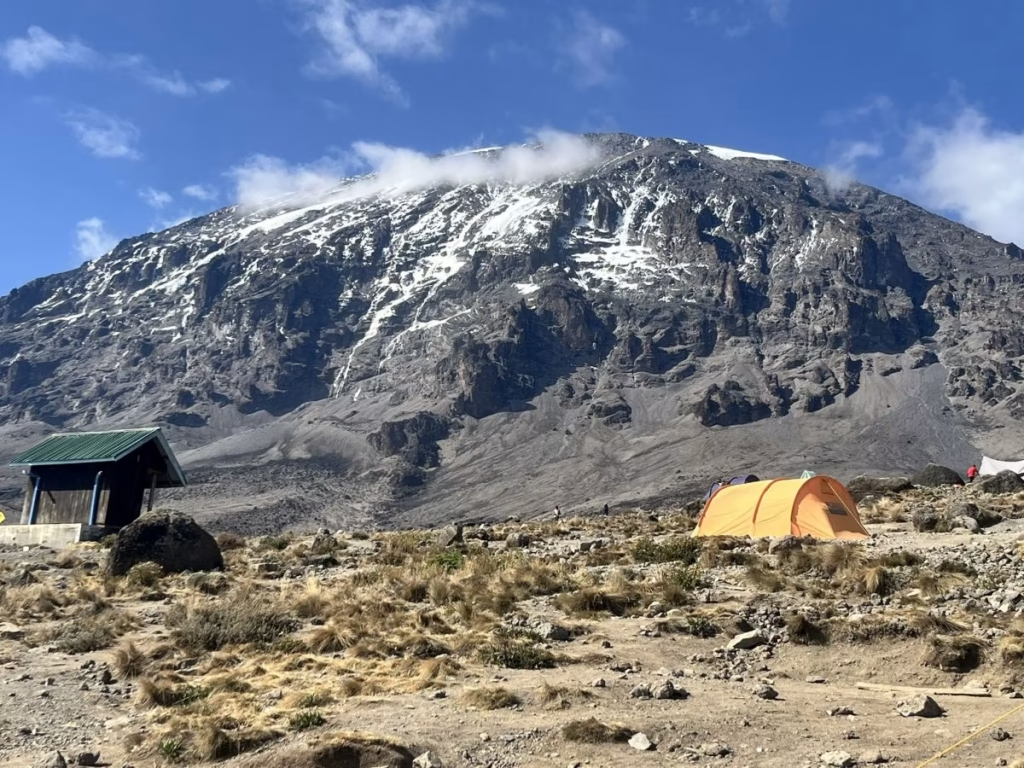
The mountain has 5 distinct ecological zones—starting in lush rainforests, moving through moorlands and alpine deserts, and culminating in an arctic summit covered with snow and glacier. The diverse zones host endemic species, like the otherworldly giant groundsels (Dendrosenecio kilimanjari).
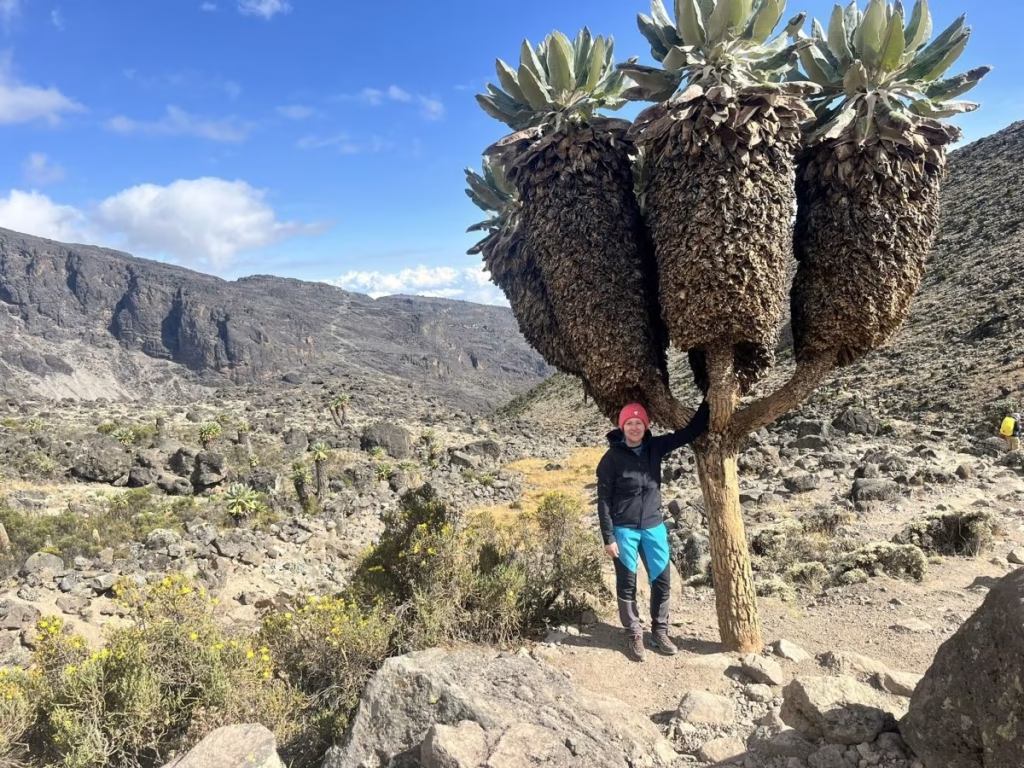
This means you’ll experience a stunning variety of landscapes and climates all in one climb, but it also means your body will have to adjust to changes in temperature and oxygen levels. There are not many animals on Kilimanjaro, so if you are afraid of snakes, spiders, mosquitos – you will not bump into any of them 😉
Understanding the challenge!
Most climbers underestimate the effects of altitude. Kilimanjaro’s summit is nearly twice as high as the tallest peak in the United States (Mount Whitney), and the air up there contains roughly half the oxygen you breathe at sea level. This can lead to altitude sickness, which is the most common obstacle climbers face.
FACT: There is 50% less oxygen at the top of Kilimanjaro than at the sea level.
Altitude and Acclimatization
As you climb higher, the air gets thinner, and your body will decide to throw a tantrum or two. Altitude sickness is a sneaky foe, and many adventurers forget that acclimatization is not just a suggestion; it’s a necessity. Take time to acclimatize and listen to your body. Sometimes your legs may feel like jelly and your head is pounding— it’s time to stop for a snack, water and small talk with your guide.
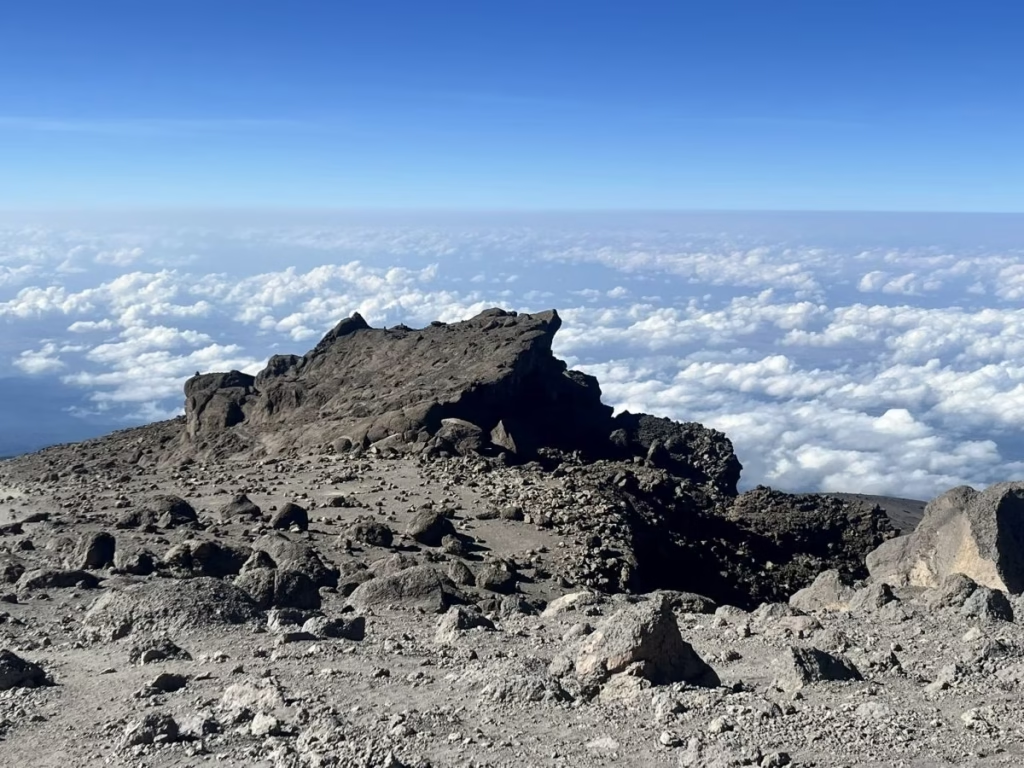
You guide should check up on you every day and discuss all symptoms you might be experiencing. They should also measure your levels of oxygen and heart rate. If the results are concerning the guides will take you down and manage your condition. Just so you know, everyone experiences symptoms of high-altitude sickness, which usually include headaches, nausea, dizziness, and fatigue.
In serious cases, altitude sickness can be life-threatening. The key to combating this is proper acclimatization. That means taking your time, ascending slowly, and listening to your body. So, it’s not about how difficult is climbing Kilimanjaro but how you manage the climb.
Many trekking routes on Kilimanjaro range from 5 to 9 days. Longer routes give you better chances to acclimatize properly, increasing your odds of reaching the summit without serious issues. So, while the idea of a quick 5-day climb sounds tempting, consider that a longer itinerary might be your best friend. The longer route takes, the better chance for good acclimatization.
FACT: Acute Mountain Sickness (AMS)
ADVICE: Drink at least 4 litters for water per day (I usually try to drink 5 litters of water per day). Warm water is better for your lounges.
How to train for climbing Kilimanjaro – it is not just a Walk in the Park
Even though Kilimanjaro doesn’t require technical climbing, it’s far from an easy stroll. You’ll be hiking for 6 to 8 hours a day, often on steep and rocky paths, carrying a daypack with essentials like water, snacks, and warm layers. The terrain can be slippery, especially in the rain or near the summit.
If you’re not used to regular exercise, it’s a good idea to start training months in advance. Focus on cardiovascular fitness, leg strength, and endurance. Hiking with a loaded backpack, stair climbing, and interval training can all help build the stamina you’ll need.
Don’t forget mental preparation. Kilimanjaro is as much a mental challenge as a physical one. Weather changes, altitude effects, and fatigue can wear you down. Staying positive and motivated, and having a supportive team or guide, can make a huge difference.
When I was hiking Everest Base Camp – there was a guy around 40 years old, good shape, experienced traveler, who had to go back, as neither of the acclimatization processes were working for him. They tried all, the Diamox (medicine), going down and acclimatizing, and nothing was working. The body didn’t want to cooperate. While there was another man – Ben, who I’ll never forget. 75 years old man, whose dream was to reach Everest Base Camp. He was making a huge effort to get up and hike each day another distance. At one point he was so tired, he went blind and could not even recognize me when I was passing them.
READ: Everest Base Camp Trek – Complete 14 Days Trekking Guide for Beginners
When he reached the base in the evening, the guides managed to improve his condition and he was able to continue hiking, to summit Everest Base Camp. He was hiking slowly, he was always the first to leave the hut and the last to reach the hut. I could not believe when he made it to the Everest Base Camp but was very happy for him! Although none of us was hiking with him, we were all so happy, congratulating him on this huge achievement!
Arusha – called Geneva of Africa, lies at the altitude of 1400 meters. You might spend a day or two and do some short hiking tours to acclimatize – here are few top-rated, one-day hiking from Arusha:
Best time to climb Kilimanjaro!
Dry season, which runs from June to October, is the best time to climb Kilimanjaro. In this time the weather is more stable, views are clearer but crowds much bigger.
But expect unexpected. 😉
Seriously, seeing black clouds coming over the mountain, we asked out guide is it going to rain? He always said the same thing.. we will see. I said it is totally unpredictable even with this cloudy view.
And he was right. It was only one day when the cloud brough snow and hailstorm. On a day heading toward the Lava Rock. It was freezing there.
Kilimanjaro’s weather is famously unpredictable. You could start your day hiking in warm sunshine and end it shivering in a snowstorm near the summit. Daytime temperatures in the lower zones can be pleasantly warm, but nights often get cold, especially at higher altitudes.
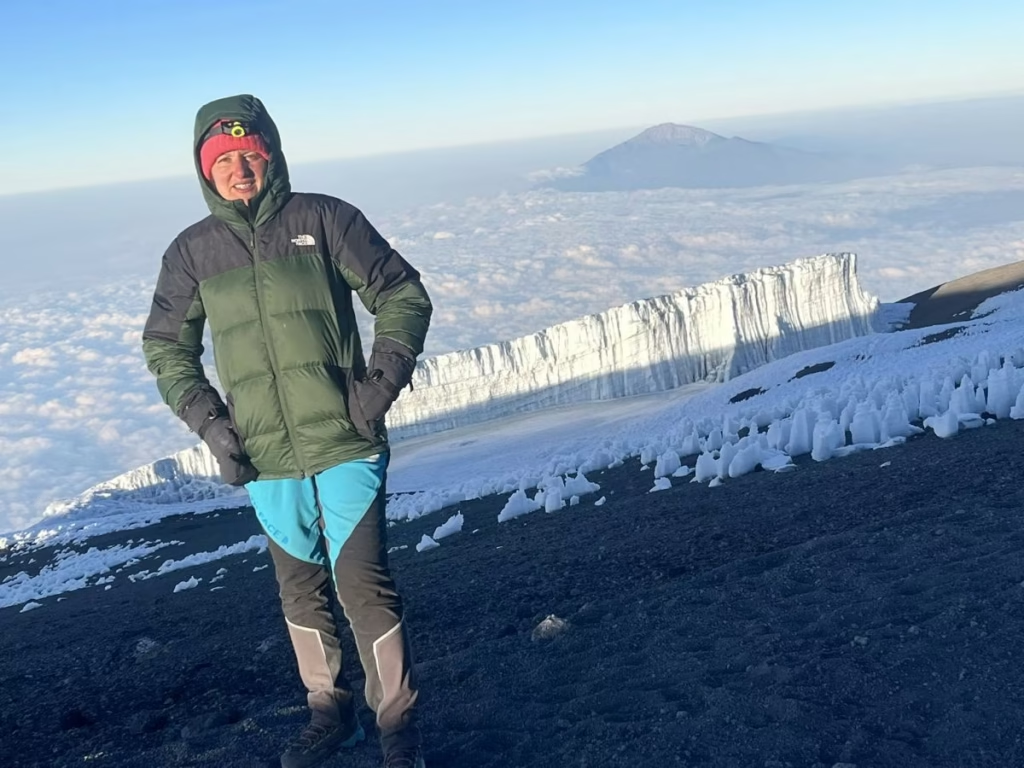
The summit can be below freezing, with strong winds and icy conditions. Proper clothing is crucial. Think layers: moisture-wicking base layers, insulating mid-layers, waterproof and windproof jackets, gloves, hats, and sturdy hiking boots.
Rain is common, especially during the two rainy seasons (March to May and November). If you’re trekking during these months, be ready for muddy trails and wet gear.
FACT: Your guide will advise on the clothing you should pack to your backpack, just in case of weather change. So nothing will surprise you. Your guides are making sure you are safe no matter what the weather brings.
Kilimanjaro climbing routes.
There are several Kilimanjaro climbing routes, each with its own character, difficulty level, and success rate. I chose 8-day Lemosho route, which is about 73 kilometres and is known for a stunning landscape and a high success rate.
- Marangu: Known as the “Coca-Cola Route,” it’s one of the easier paths with hut accommodations, but it has a lower success rate because it’s shorter, giving less time for acclimatization.
- Machame: Called the “Whiskey Route,” it’s more challenging and scenic, with camping sites and better acclimatization chances.
- Umbwe Route: For those who really enjoy a challenge and want to feel like they’ve wrestled a bear at some point, this is your go-to. Steep, direct, and packed with adventure.
- Lemosho Route: This route offers a glorious journey for those ready for a longer trek. It allows for better acclimatization, which can significantly enhance your odds of reaching the summit.
- Rongai Route: Starting from the north, it’s less frequented than others and provides a different perspective of the mountain.
- Northern Circuit Route: this is less travelled but stunning route. This is a longer route, assuring much better acclimatization.
Climbing Kilimanjaro death rate.
If you are looking for success rate statistics online – good luck. They are not real. It is all because the government does not want you to be aware what is the risk of not succeeding Mount Kilimanjaro.
The last official statistics were published by the Kilimanjaro National Park in 2006 and they said the success rate on all routes are around 50%. The success rate increases with longer routes and it can reach 85 % for 8-day routes – 85%.
Submitting the Uhuru Peak
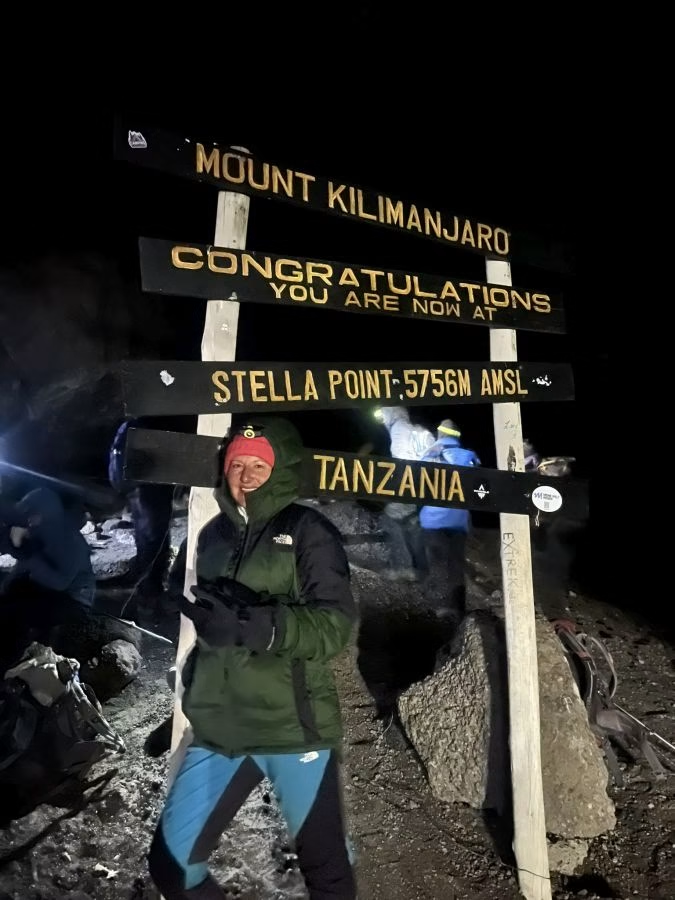
Without a doubt – the summit night is very hard. This is where mental strength comes into play. The altitude will test your limits and many hikers report feeling exhausted as they approach Stella Point.
Barafu Camp; 4600 meters. You will get up around 11.30pm for tea and nutritious meal.
We left around 00:15 to start our final hike to the top of Kilimanjaro. We passed Kosovo Camp (4900 meters), available for few operators.
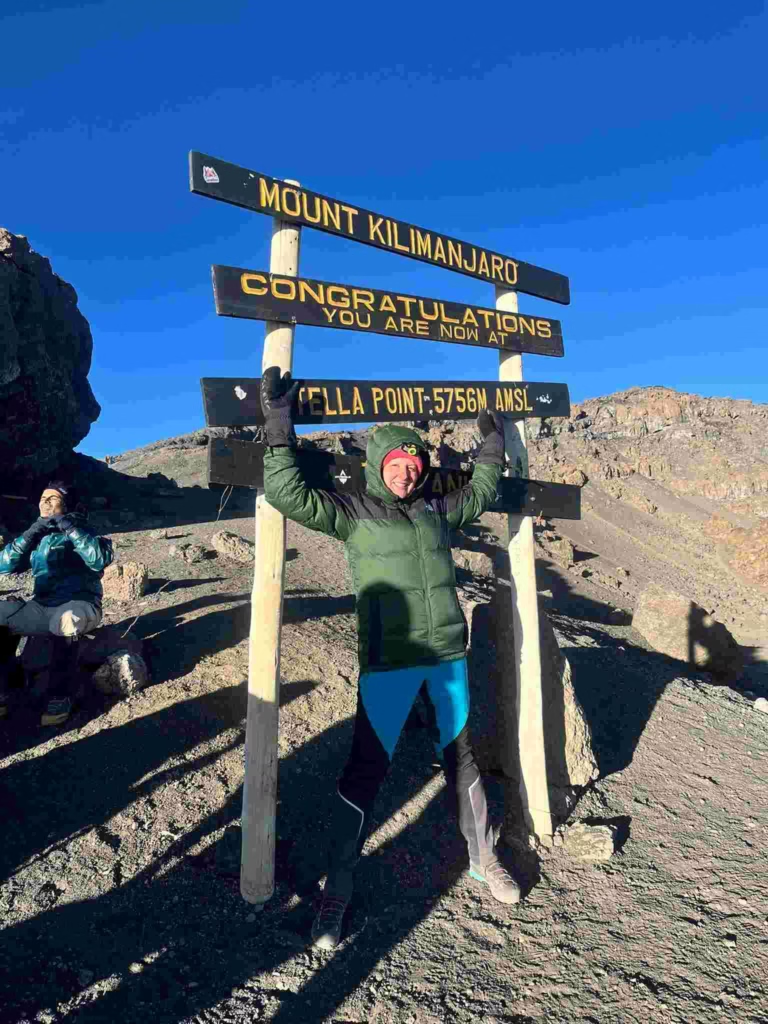
The first 2-3 hours are steep and quite exhausting, often described as mentally tough. The hikes requires slow and steady movement, due to low oxygen level. It can get extremely cold and windy. It normally takes 7-8 hours to reach Uhuru Peak from Barafu Camp: 6-7 hours to reach Stella Point from Barafu Camp, and another hour from Stella to Uhuru peak. We reached the top in 6 hours in total, but were all exhausted.
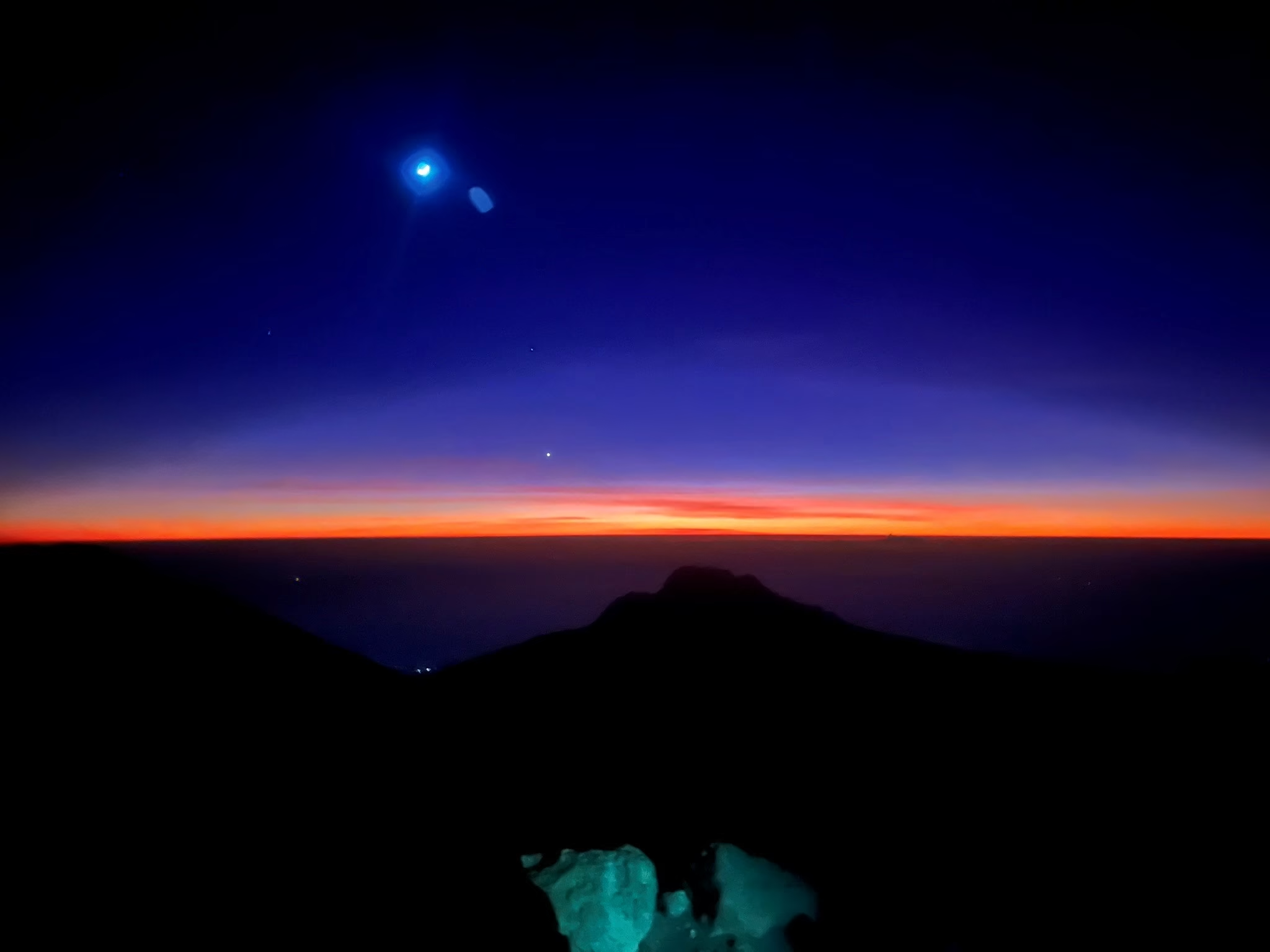
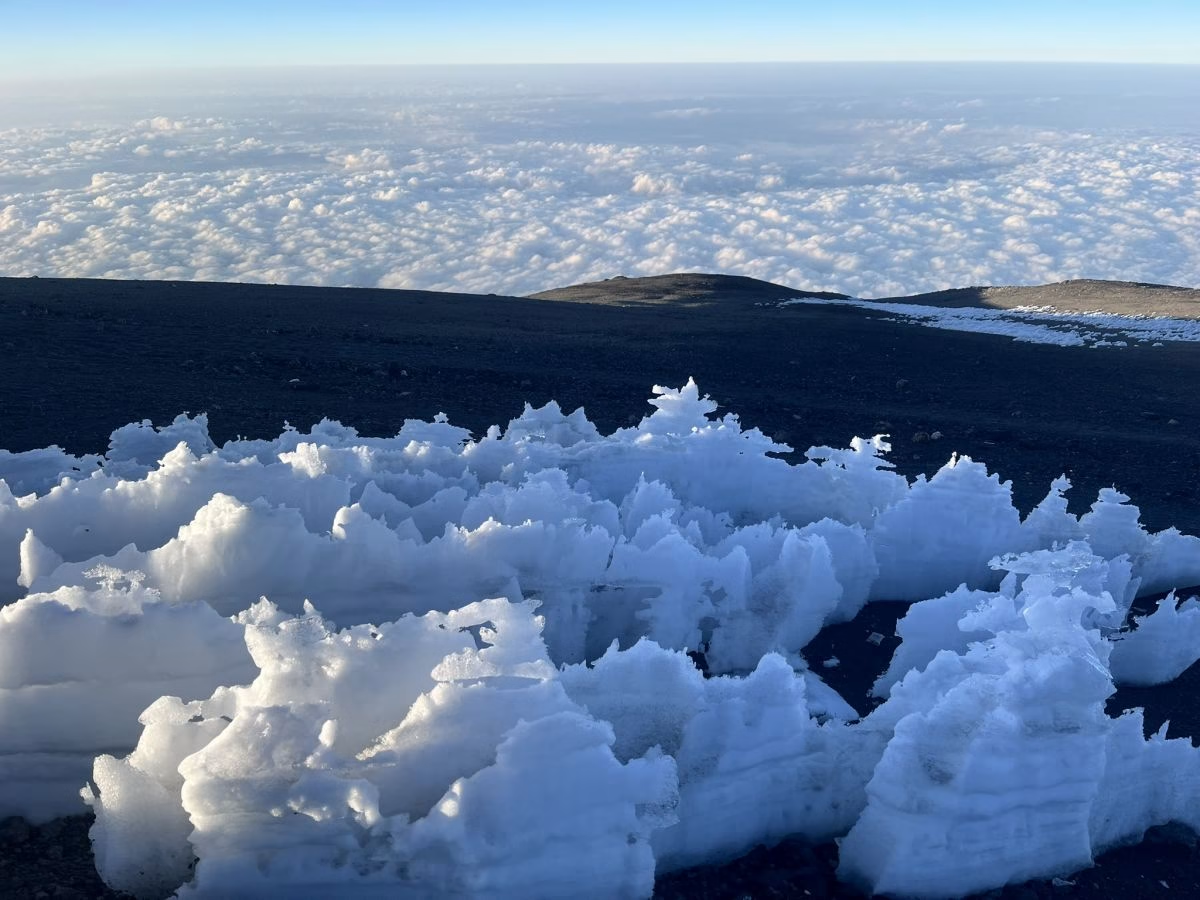
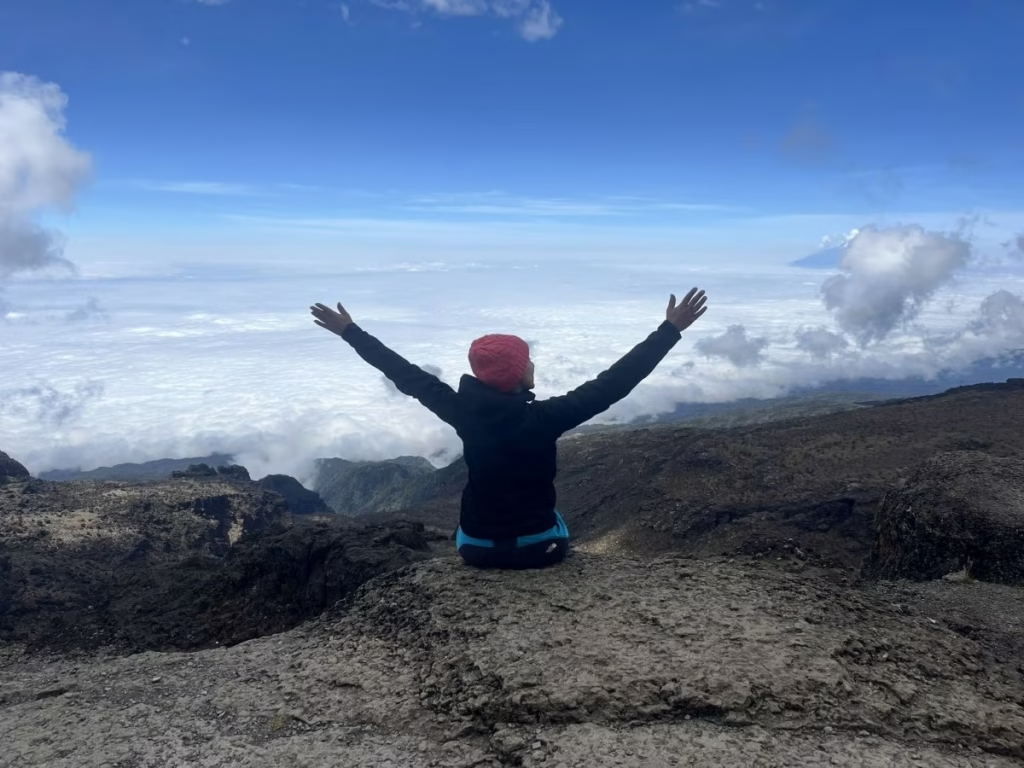
The feeling of standing at the roof of Africa, witnessing the sunrise over the African plains, is a moment few will ever forget. The colour of the sun rising above the clouds is incredible, the view that only few can see and experience.
QUOTE: “The best view comes after the hardest climb.”
Guides and Porters on Kilimanjaro
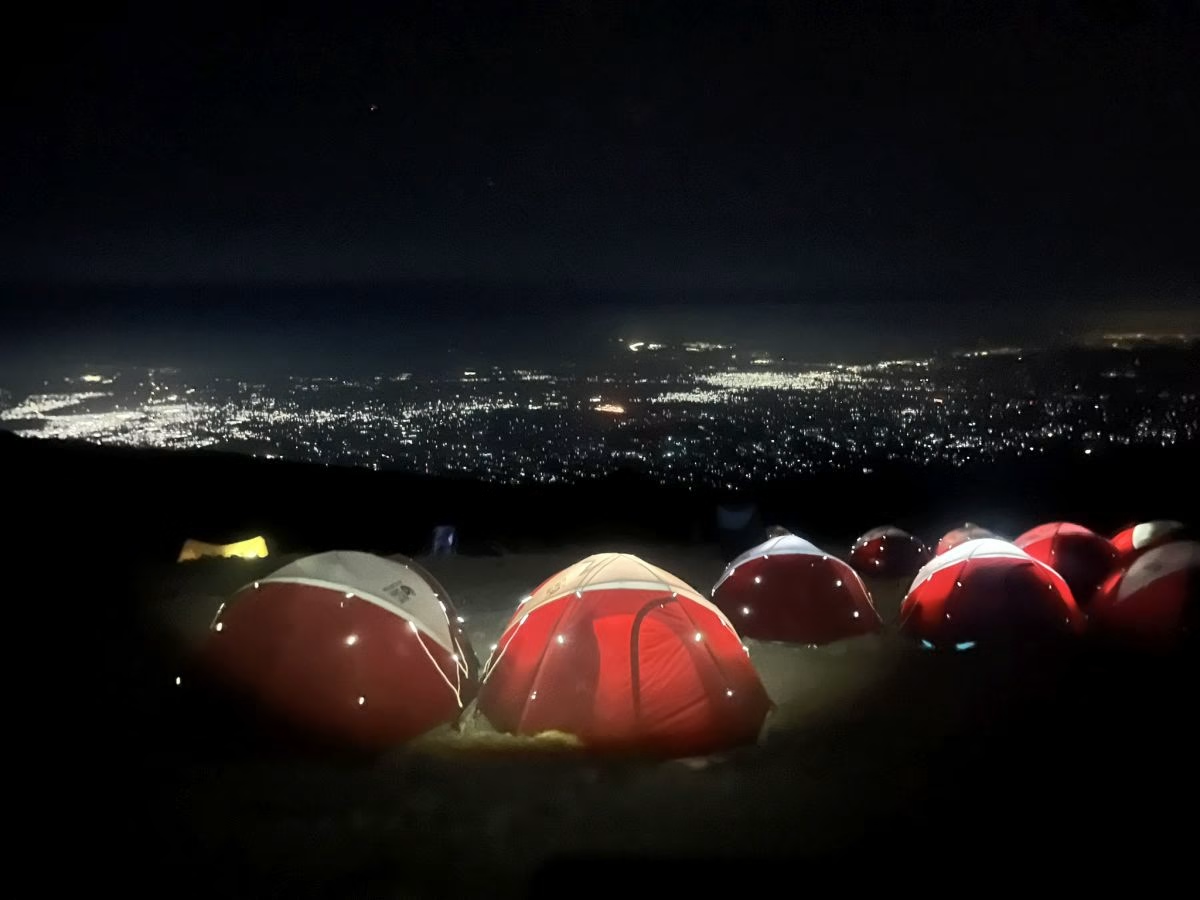
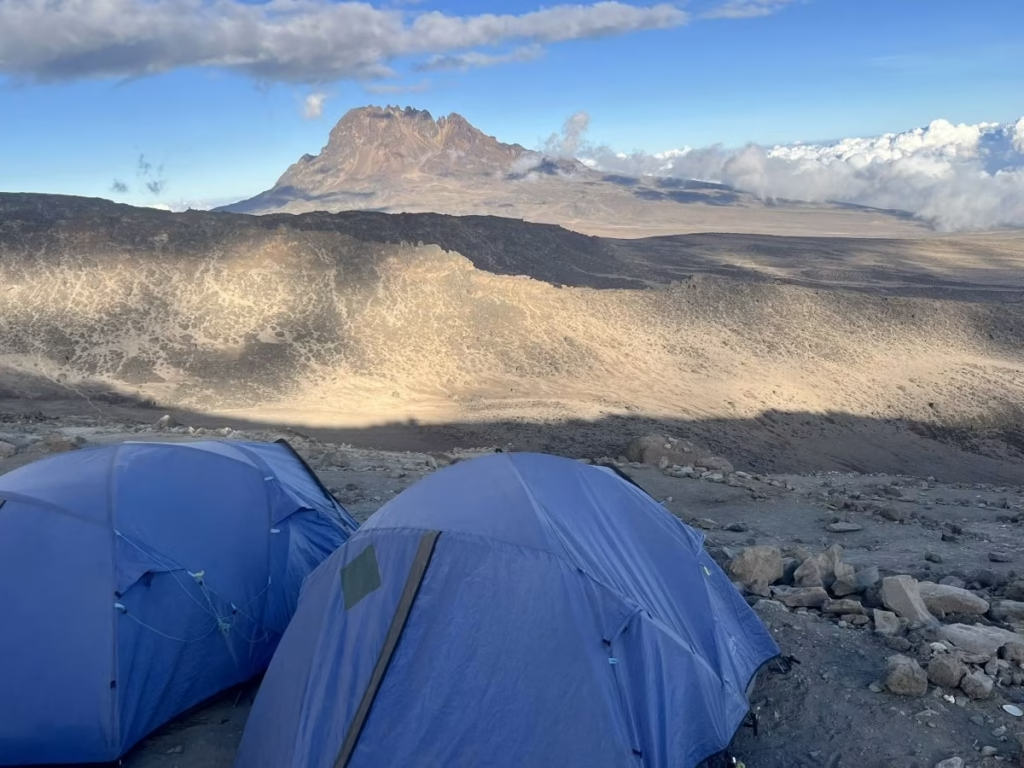
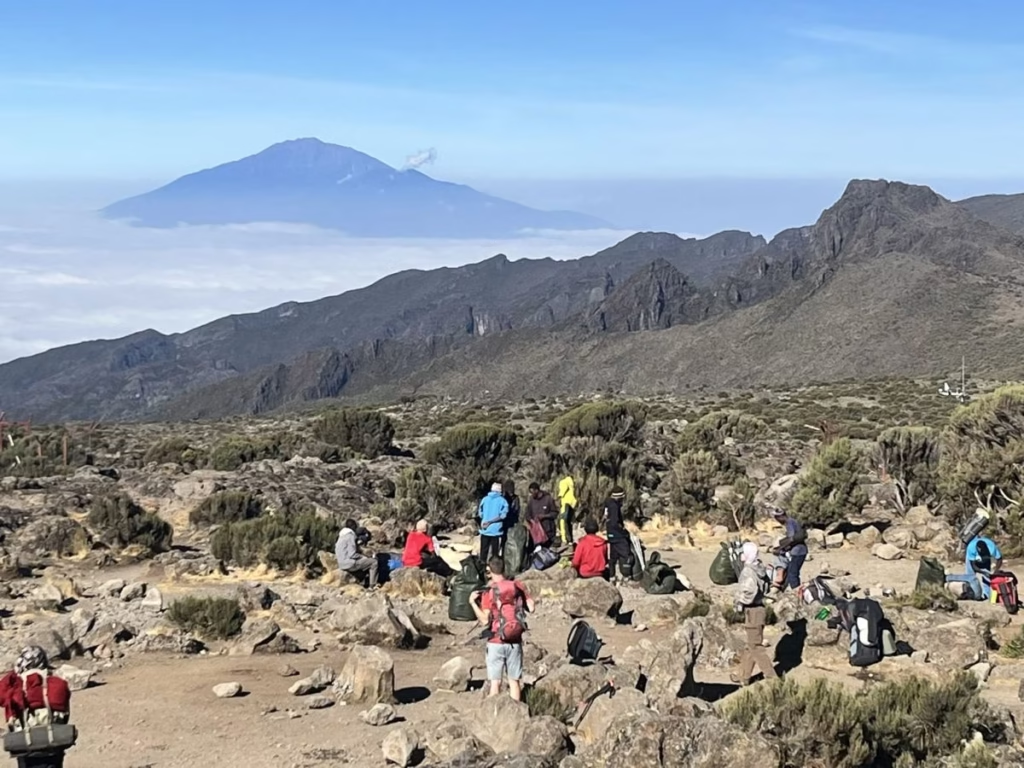
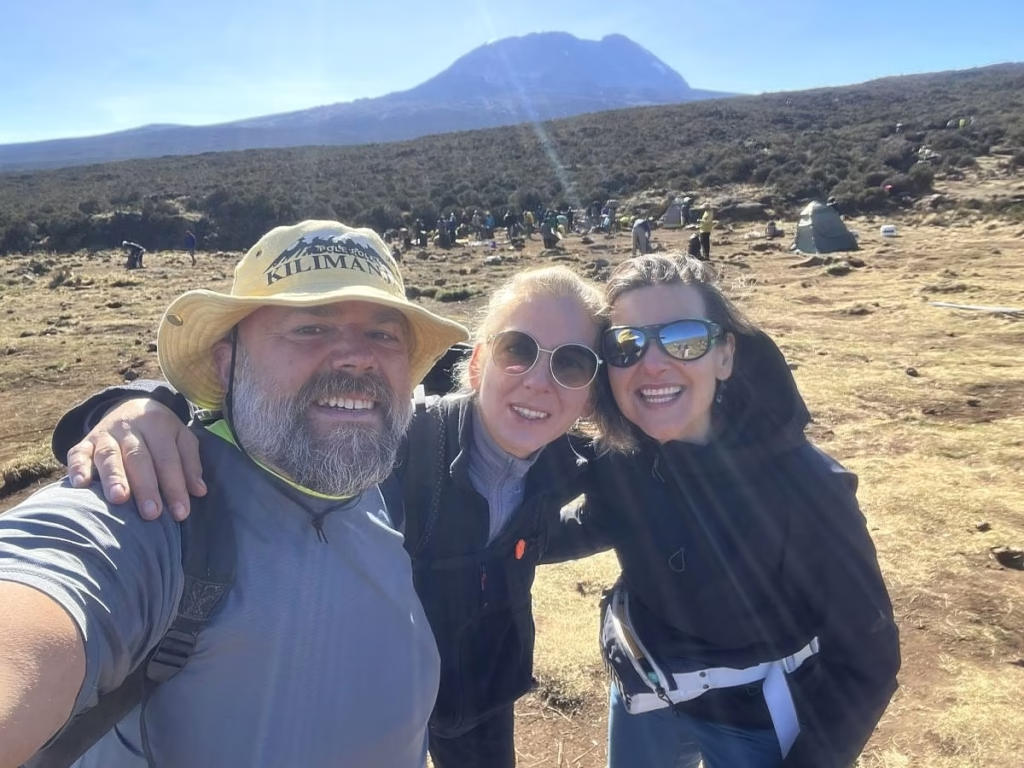
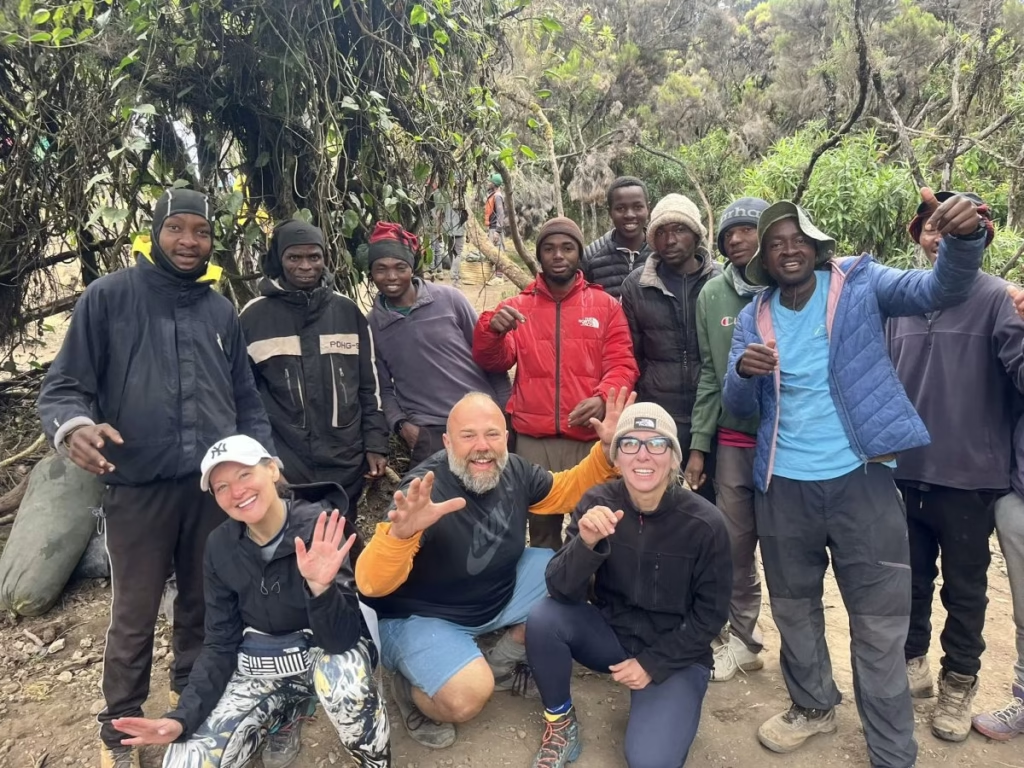
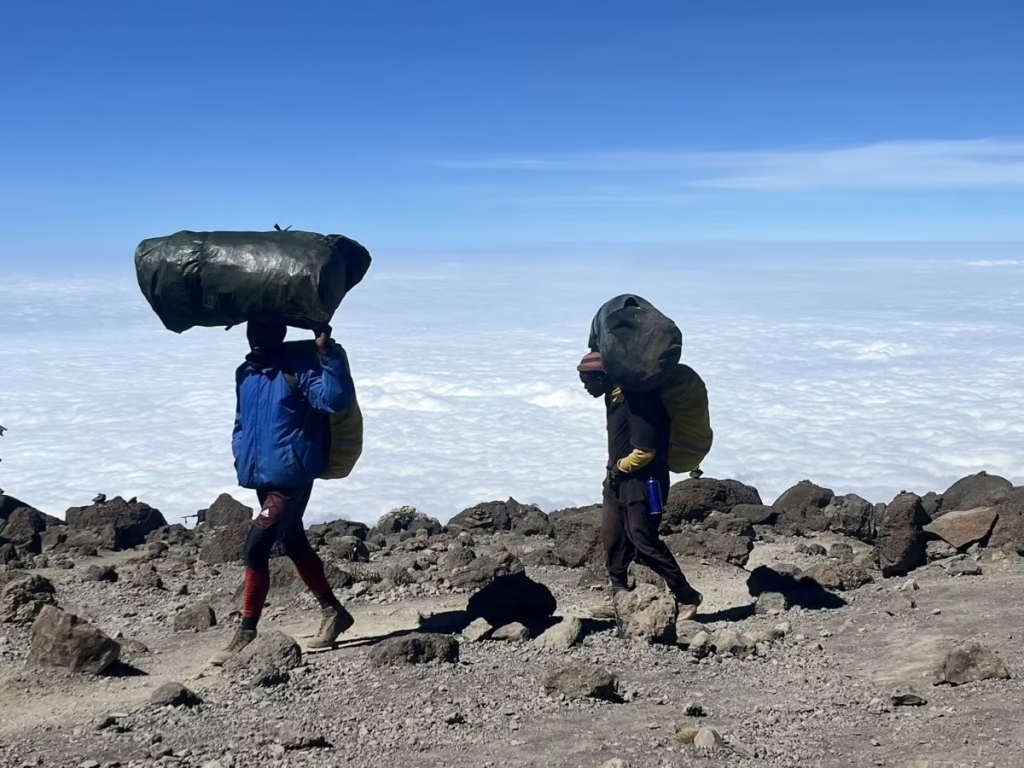
Our guide was amazing – trust me having a proper guide is the most important thing for the climb! The rest can be managed for most of the cases. There was 3 of us climbing Lemosho route and we had 13 porters, carrying all the tents, camping gear, private toilet for us. Setting up the tents in each Kilimanjaro Bace Camp for total 8 days. They are doing an amazing job.
They are always there to support you with cold, warm of hot water, checking up on you while you are in the tent if there is anything you need. Tipping is important, not because there is a rule, but because these people are really generous ad are making a huge effort so you can climb this mountain.
Is it worth to climb Kilimanjaro?
Absolutely! Climbing Kilimanjaro is not just a trek.. it’s an experience of a lifetime that will challenge you both physically and mentally. Just remember: when you finally stand atop Uhuru Peak and look out over the amazing landscape, you’ll know all the cold nights were worth it..
QUOTE: “I thought I was just climbing a mountain. I didn’t realize I would come down as a different person.”
Note: This post may contain affiliate links, which are at absolutely no cost to you – I can earn a small commission on sales generated through this website and thanks to that I can share travel guides and inspirations that may help you reach your dream destinations and discover our unique world. I only recommend sites I actually use and have traveled to. Thank you for your support!