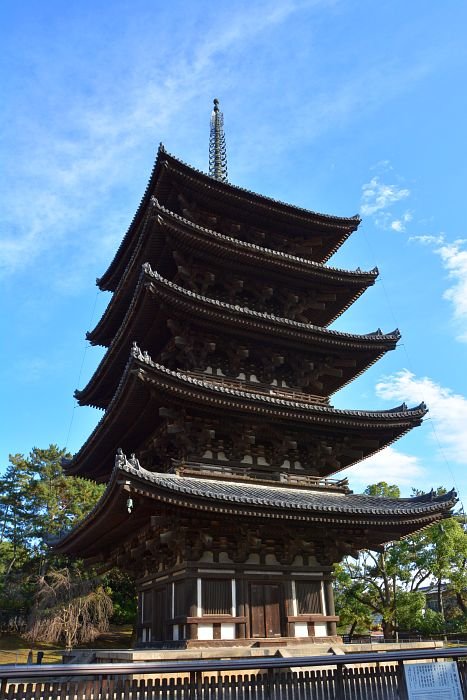
Kyoto – the ancient capital of Japan has over 2,000 temples, 17 UNESCO World Heritage sites, and even more hidden alleys serving mind-blowing ramen. There’s a lot to see there, so to help you identify all the highlights, here is an adventurous 2 days Kyoto itinerary to help you explore the place more actively by hiking to a few iconic places for spectacular panoramic views.
2 days Kyoto itinerary.
Travelling in Japan is extremely easy and high-standard, thanks to the advanced bullet trains, the Shinkansen, which operate at a maximum speed of 320 km/h. If you are travelling from Tokyo, here is all you need to know:
Shinkansen schedule: JR website.
Getting there: Get your 7, 14 or 21 JR Rail Pass here.
Get 5G eSIM for Japan for less than $1.
It takes 2.5 hours to get from Tokyo to Kyoto by Shinkansen train.
There are many magnificent things to see in Kyoto and Nara; thus, I have included a few extra options so you can adjust your 2 days Kyoto itinerary.
I would highly recommend visiting the iconic Gold Pavilion, the incredible Fushimi Inari Temple and travelling to Nara National Park to spend a few hours in the park with deers.
Tractical tips for Kyoto.
Money Matters
Japan is still largely cash-based, especially at smaller restaurants and shops. ATMs at 7-Eleven and Family Mart accept foreign cards. Budget roughly:
- Budget traveler: ¥8,000-10,000/day
- Mid-range: ¥15,000-20,000/day
Get Kyoto & Osaka Sightseeing Pass for exclusive offers, savings and unlimited travel on the Keihan Line and Iwashimizu-Hachimangu Cable Line for 1 day!
Get a Cultural Pass Kyoto.
Rent a bicycle—Kyoto is incredibly bike-friendly, and you can cover way more ground. Rental shops are everywhere, especially around Kyoto Station. Cost: about 1,000-1,500 yen per day.
Day 1: Kinkaku-ji (Golden Pavilion), Geisha spotting and market madness.
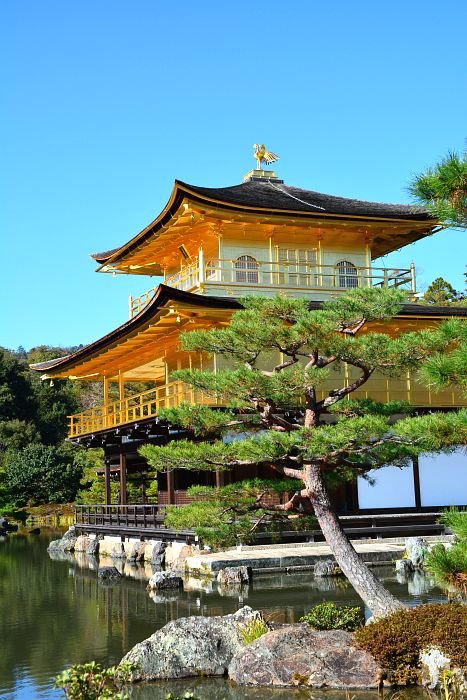
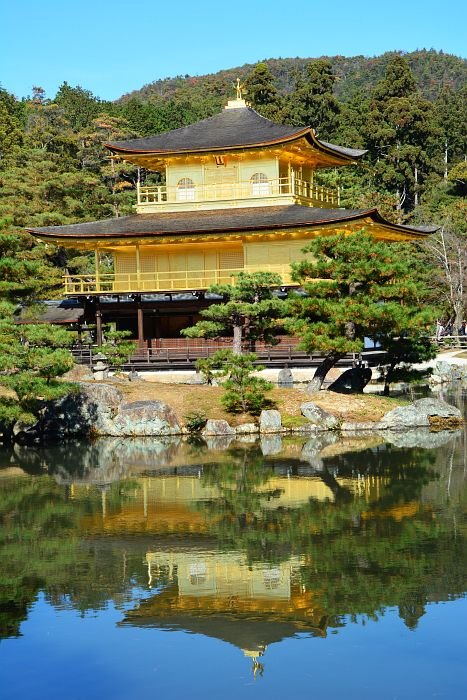
For me, the Golden Pavilion was a true wonder, but I agree it impresses more in sunny weather than in the rain.
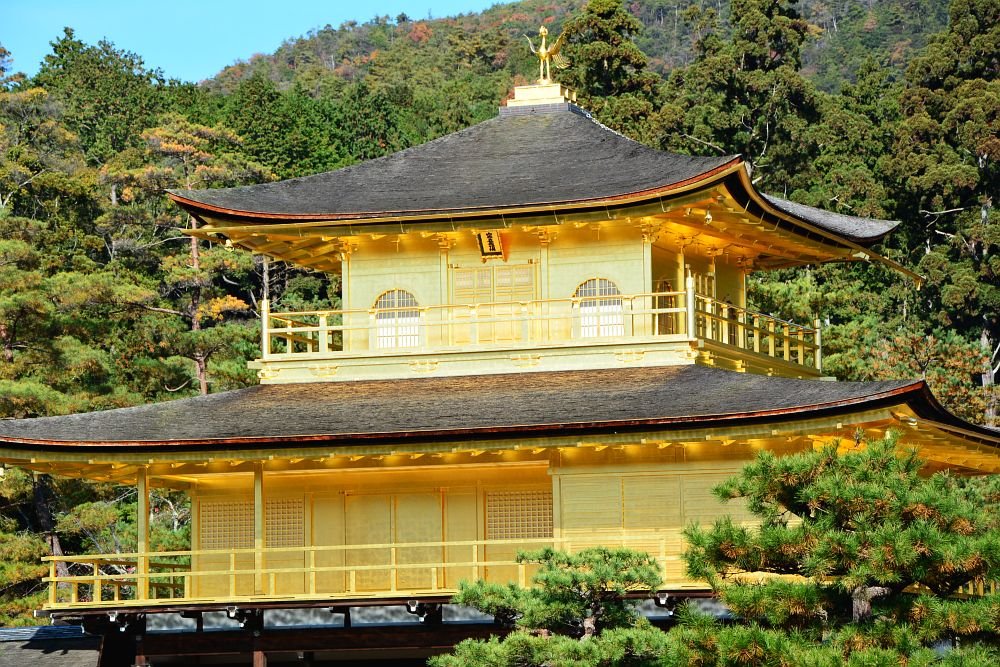
Kinkaku-ji (The Golden Pavilion)
The first part of your 2 day Kyoto itinerary starts with visiting Kinkaku-ji, the Golden Pavilion. It is literally covered in gold leaf and sits reflecting in a pond like it’s showing off. I was very lucky with the weather, as you can see on the photos.
The grounds open at 9:00 AM, but arrive right when they open to avoid the tour group tsunami. The morning light on the gold is spectacular in case you want to get a perfect shot.
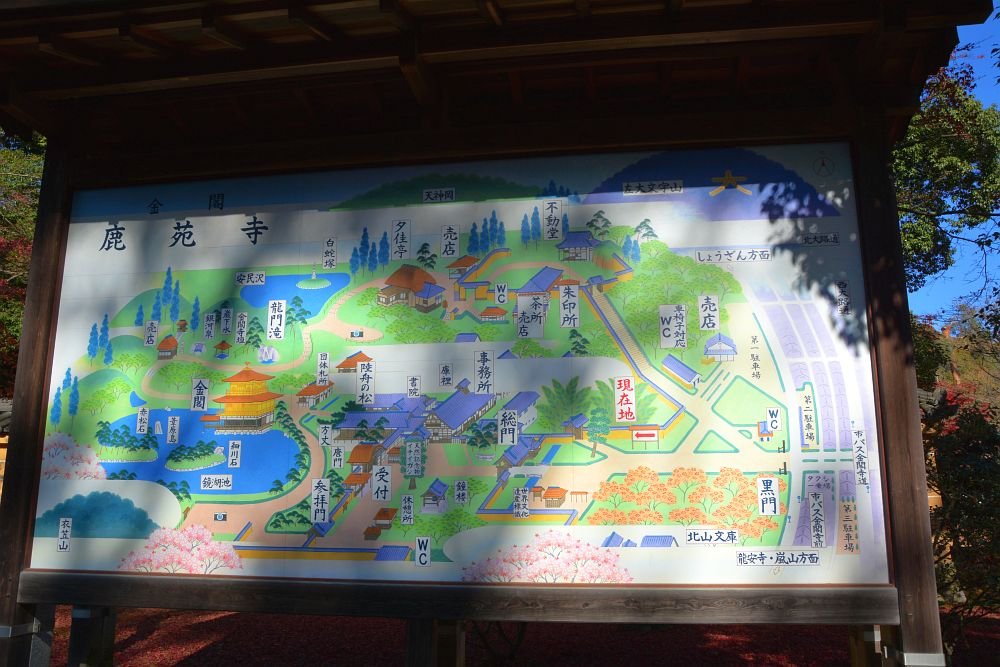
Getting there: Take bus #205 from Kyoto Station (about 40 minutes), or take the subway to Kitaoji Station and then a bus. If you decide to walk from Kitaōji Station, it’s about 3 kilometres to the Golden Temple.
You can take your time and explore the area – there are other buildings, gardens, and even a tea house with monks. I took a long walk on the way back to admire the countryside landscape.
Ginkaku-ji – the Silver Pavilion.
I’m not sure if you want to visit both pavilions, but a lots of people do and it’s quite easy to travel between the Golden and Silver Pavilion.
- Kinkaku-ji – the Golden Pavilion is the most popular
- Ginkaku-ji – Silver Pavilion
You can easily get from one Pavilion to another – by bus, taxi or by walking.
BY BUS:
Take the Kyoto City Bus number 204 from the Kinkakuji-michi bus stop and alight at the Ginkakuji-michi bus stop. The ride between the two pavilions takes about 20 minutes. From the Ginkakuji-michi bus stop, it is about a 10-minute walk to the temple.
Bus number 204 runs every 15 minutes. It’s a loop bus, so you can start from either pavilion.
BY TAXI:
The easy way is taking a taxi. The ride takes max 10 minutes and shouldn’t cost more than 3,500 yen.
BY FOOT:
If you decide to walk (like me, and suffer the next day 😉 ), the walk takes about 1h45 minutes.
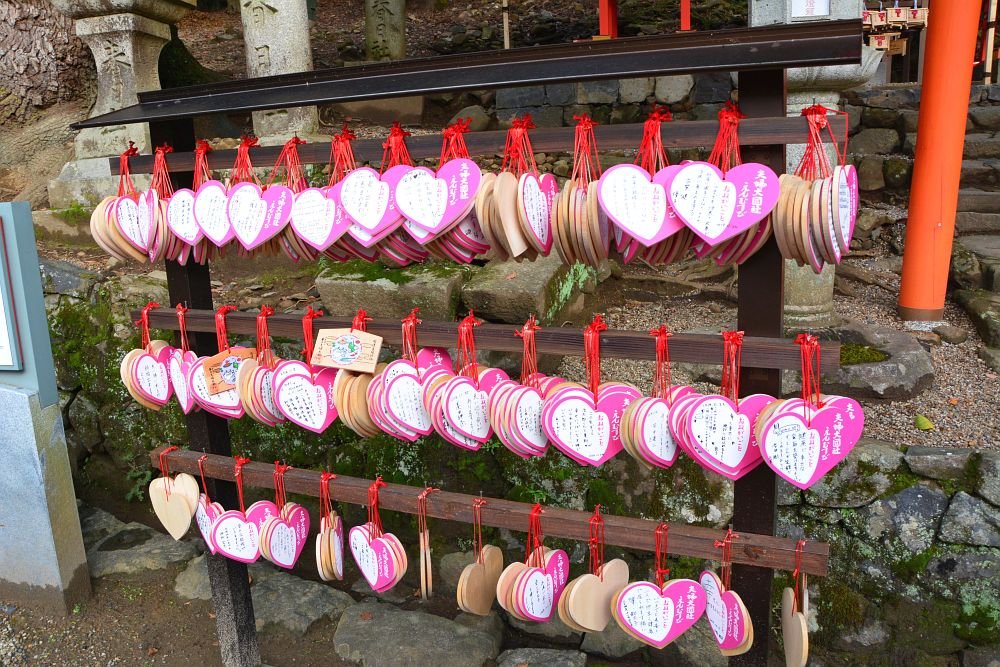
Write your wish in EMA places!
PRO TIP: FIND EMA PLACE AND WRITE YOUR WISHES!
The main reason why Japan is so spectacular is because unique things are happening that you can’t see anywhere else in the world. EMA is one of them.
Ema (絵馬) – the small wooden tablets used in Japan to write prayers or wishes, which are then hung up at shrines or temples.
The wooden plaques are often decorated with artwork, visitors write wishes or prayers for deities to read. I loved this Japanese tradition, mainly because it’s a chance to interact closely with local people.
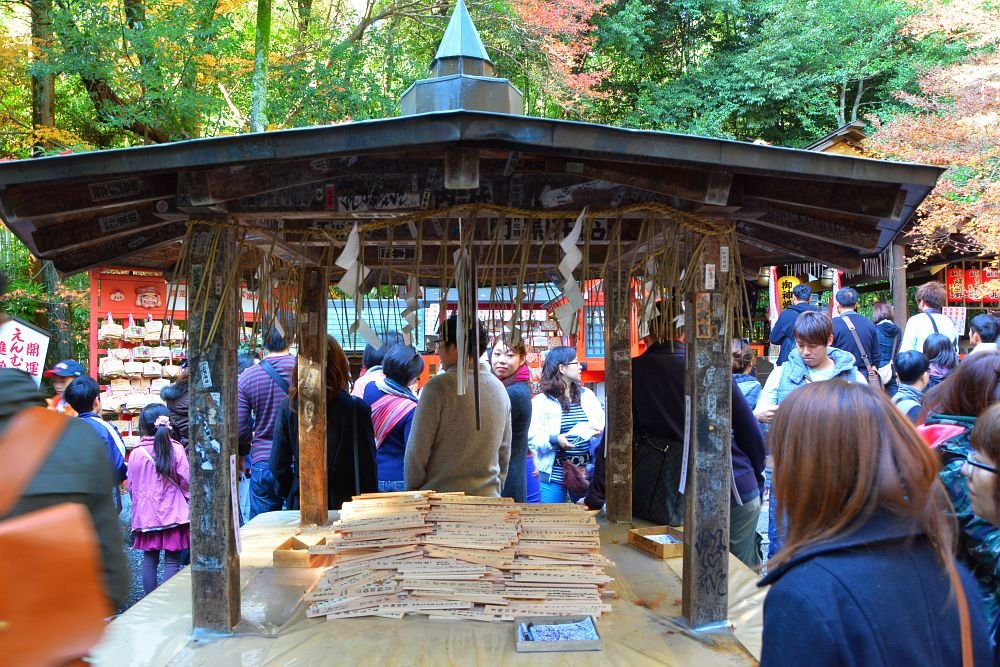
Now you may decide whether you want to visit the Ryoan-ji Temple (The Most Famous Zen Garden in the World) or head straight to Nishiki Market or Gion District for Geisha spotting.
Just a 10-minute walk from Kinkaku-ji is Ryoan-ji, home to Japan’s most famous rock garden. Fifteen rocks arranged in white gravel are designed to help meditation.
Nishiki Market (The Kitchen of Kyoto)
Nishiki Market is a five-block-long covered shopping street that’s been Kyoto’s food hub for centuries. Vendors sell everything from fresh seafood to pickles, Japanese sweets, sake, fresh mochi, and foods you can’t even identify.
Must-tries:
- Takoyaki (octopus balls) from any vendor—they’re all good
- Tamagoyaki (sweet rolled omelet) on a stick
- Fresh sashimi if you’re feeling brave
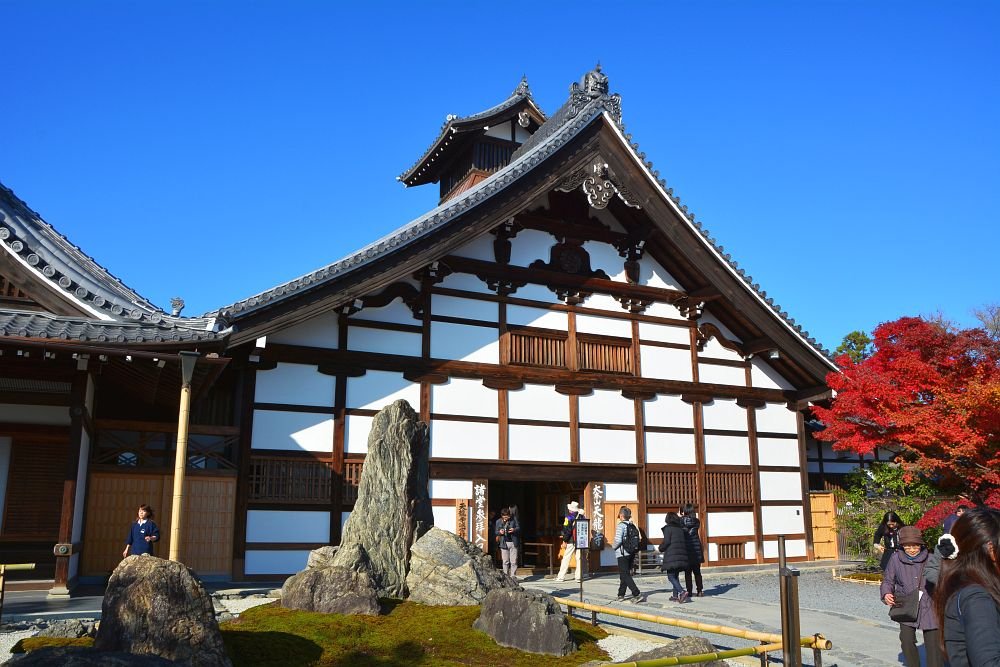
Gion District (Geisha Territory)
Gion is Kyoto’s famous geisha district, especially Hanami-koji Street. The streets here are lined with traditional machiya (wooden townhouses), high-end restaurants, and ochaya (tea houses) where geishas entertain.
It is possible to spot geisha on the street; late afternoon / early evening are your best bet. If you see one, please be respectful, do not take photos, don’t chase them, and admire respectfully from a distance. You can also take this fabulous Geisha spotting tour.
Optionally:
Yasaka Shrine & Maruyama Park.
Yasaka Shrine is a place where locals come for everything from weddings to festivals to casual prayers. The entry is free and right behind the shrine, there is Maruyama Park, Kyoto’s most popular park for cherry blossom viewing.
Shopping 😉
If you are planning some shopping – the Teramachi and Shinkyogoku are good idea.
Sake tasting & a night in Gion.
Kyoto’s Fushimi district is famous for sake brewing.
End your Kyoto adventure with a final stroll through Gion at night. The streets are illuminated by lanterns, the traditional buildings glow warmly, and there’s an almost ethereal quality to the whole district. This is the Kyoto you’ll remember—ancient, mysterious, and absolutely magical.
If you want one last adventure, check if there’s a Geisha show at Gion Corner (they do nightly cultural performances), or simply find a quiet spot along the Shirakawa Canal, sit on the stone steps, and absorb your last moments in this incredible city.
Day 2: Temples, bamboo, and the best damn bowl of Ramen.
Fushimi Inari – probably the most beautiful temple in Kyoto 😉 Start your day with hiking up the sacred Fushimi Mountain.
I suggest getting up at 7.00 AM, I know it sounds absolutely criminal. But trust me on this one—arriving at Fushimi Inari Shrine before the tour buses roll in is going to completely change the experience.
After walking the temple, take a short hike to the top of the mountain:
- The full hike to the summit takes about 2-3 hours round trip. You don’t have to go all the way—the first 30-45 minutes get you the most iconic shots
- Wear comfortable shoes. My feet were suffering after 2 days in Kyoto.
- Bring water, although there are vending machines along the way.
Breakfast like a local 😉
Head to one of the local cafes or grab some inari sushi from one of the street vendors near the shrine. It’s sweetened tofu pockets stuffed with sushi rice, and it’s the traditional food of this area.
Arashiyama Bamboo Grove
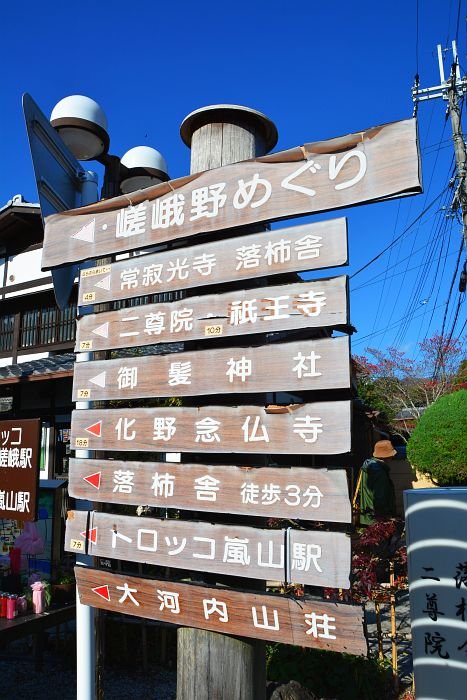
Time to make your way to Arashiyama—towering bamboo stalks, which for me was a highlight of the 2 day Kyoto itinerary. The walk-through is just as spectacular.
Getting there: Take the JR Sagano Line from Kyoto Station to Saga-Arashiyama Station (about 15 minutes). Or if you’re feeling fancy, take the scenic Randen tram from Omiya Station.
There is no entrance fee for Arashiyama Bamboo Forest.
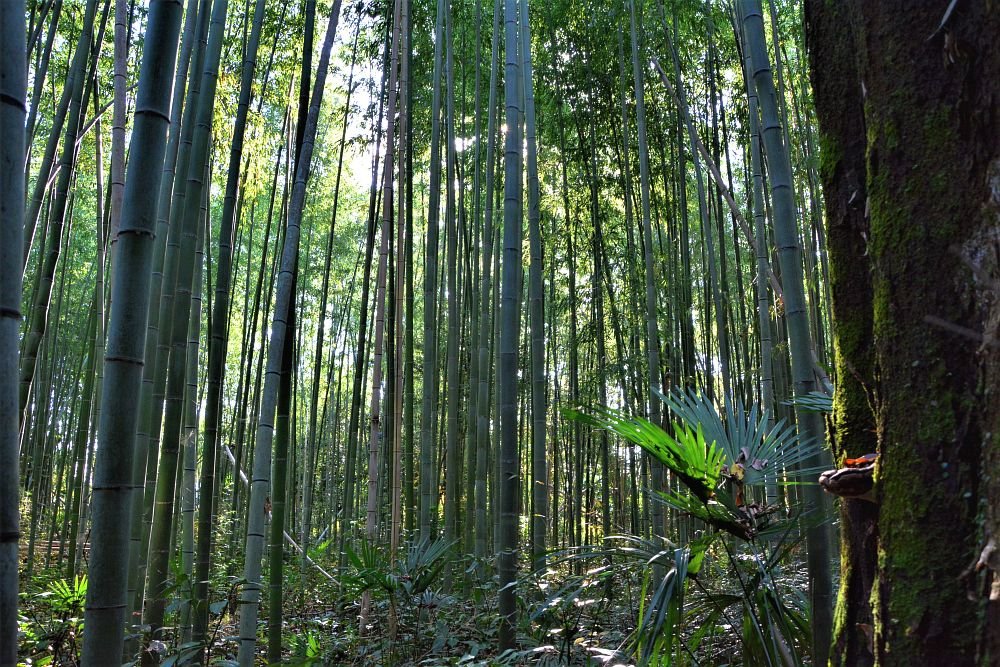
Okochi Sanso Villa
There’s an admission fee (1,000 yen),
Opening hours: 9:00-17:00 (last admission at 16:30)
You are accessing some of the most stunning gardens in Kyoto with panoramic views of the city and mountains. This was the former home of a samurai film actor, and the gardens are designed like different movie sets. It’s peaceful, beautiful, and feels like a secret the crowds haven’t discovered yet.
Climbing Monkey Park Iwatayama
Climb Monkey Park Iwatayama mountain to hang out with Japanese macaques (snow monkeys).
The hike up to Monkey Park Iwatayama it only takes about 20-30 minutes (it’s steep, but doable). The monkeys are everywhere—grooming each other, playing, occasionally stealing things if you’re not careful. Plus, the view of Kyoto from up here is absolutely killer.
Important: You can feed the monkeys, but only from inside the designated feeding building (the humans are in the cage, not the monkeys—it’s hilarious and humbling). Costs about 100 yen for a bag of food.
Togetsukyo Bridge Golden Hour.
Watch the sunset from the iconic wooden bridge – Togetsukyo Bridge over Hozu River.
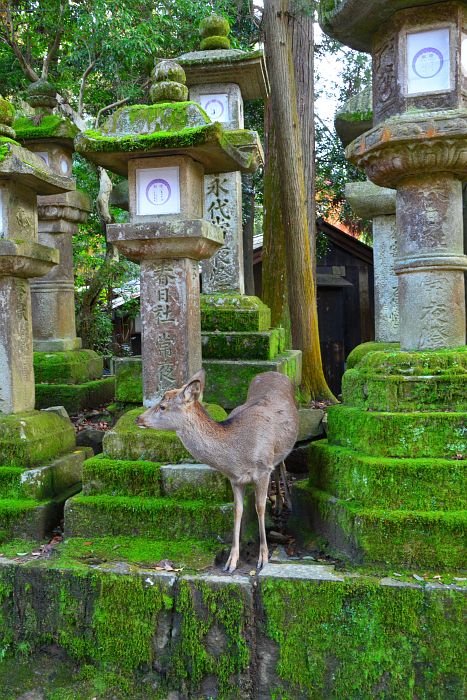
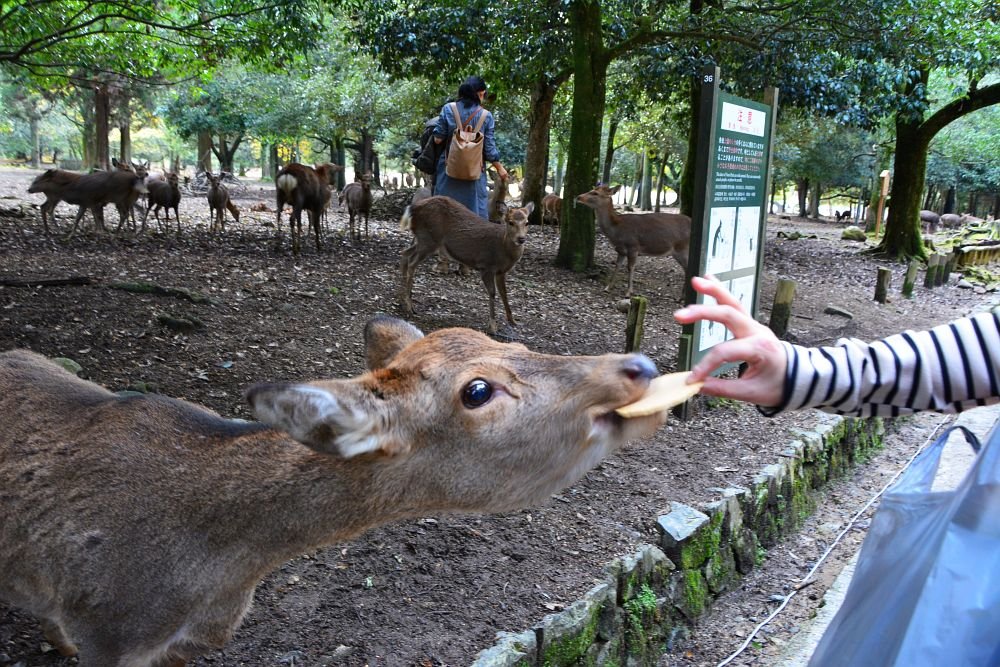
Nara Deer Park - meet the deers.
If you don’t have an extra day for Nara, you can alternatively do the first day itinerary + the Golden Palace (it’s a must-see), and on the second day you may travel to Nara Park to interact with famous bowing deer and visit some more temples 😉
Nara is Japan’s first permanent capital, located 1 hour from Kyoto and Osaka.
Due to giant distances between all these famous sights, it is a great idea to go on a tour. Klook offers numerous amazing tours around Kyoto and Nara – here are 3 top-rated and booked by thousands:
- Departure from Osaka – Kyoto & Nara Day Trip Arashiyama Train & Nara Park & Fushimi Inari Shrine’s Thousand Torii Gates & Togetsukyo Bridge & many more!
- Kyoto & Nara & Uji Day Trip – Nara Park’s Adorable Deer & Fushimi Inari Shrine’s Thousand Torii Gates & World Heritage Site Todai-ji Temple & Uji Matcha Food Street & Uji River & Uji Park & Asagiri Bridge Day Trip
- Best of Kyoto & Nara: Kiyomizudera, Nara Park, Todaiji & Much More
Wander around Nara.
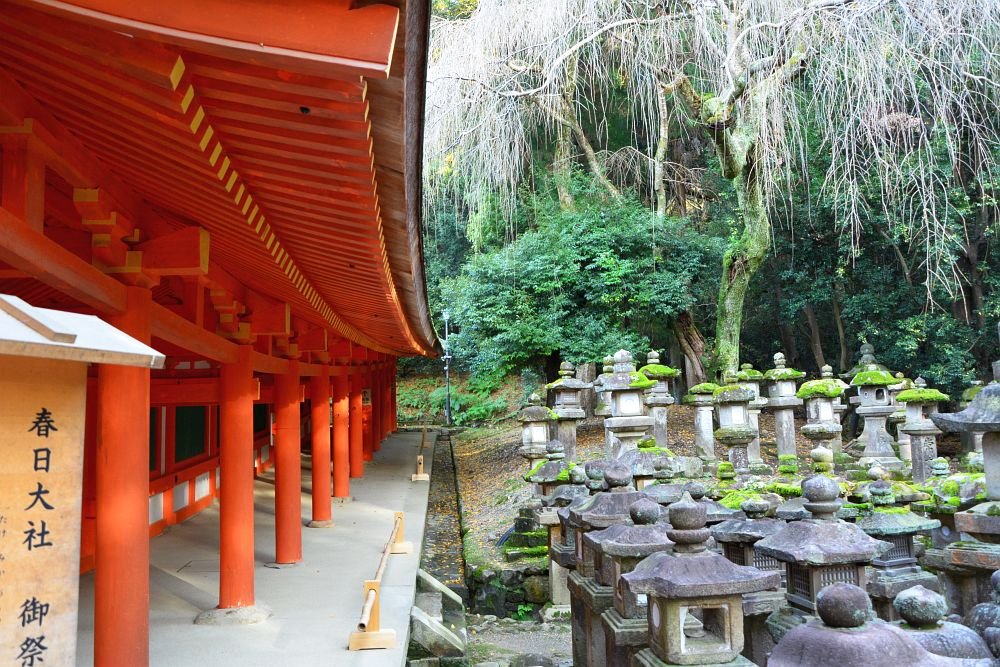
As you probably expect, there is another portion of world-famous temples to explore in Nara. I would recommend taking a walk, wander among the memorials and beautiful shrines.
What to bring home from Kyoto?
Looking for souvenirs – here’s what to actually buy in Kyoto:
- Yatsuhashi (traditional Kyoto sweets) from Nishiki Market
- Green tea from a specialty shop (try Ippodo Tea)
- Hand-made pottery from shops in Gion or Kiyomizu-dera
- Japanese indigo-dyed textiles from craft shops
- Sake from Fushimi (pack carefully!)
- A good knife from Aritsugu in Nishiki Market (if you have room in your luggage)
- Incense from Lisn or Kungyokudo (your home will smell like Kyoto temples).
Note: This post may contain affiliate links, which are at absolutely no cost to you – I can earn a small commission on sales generated through this website and thanks to that I can share travel guides and inspirations that may help you reach your dream destinations and discover our unique world. I only recommend sites I actually use and have traveled to. Thank you for your support!