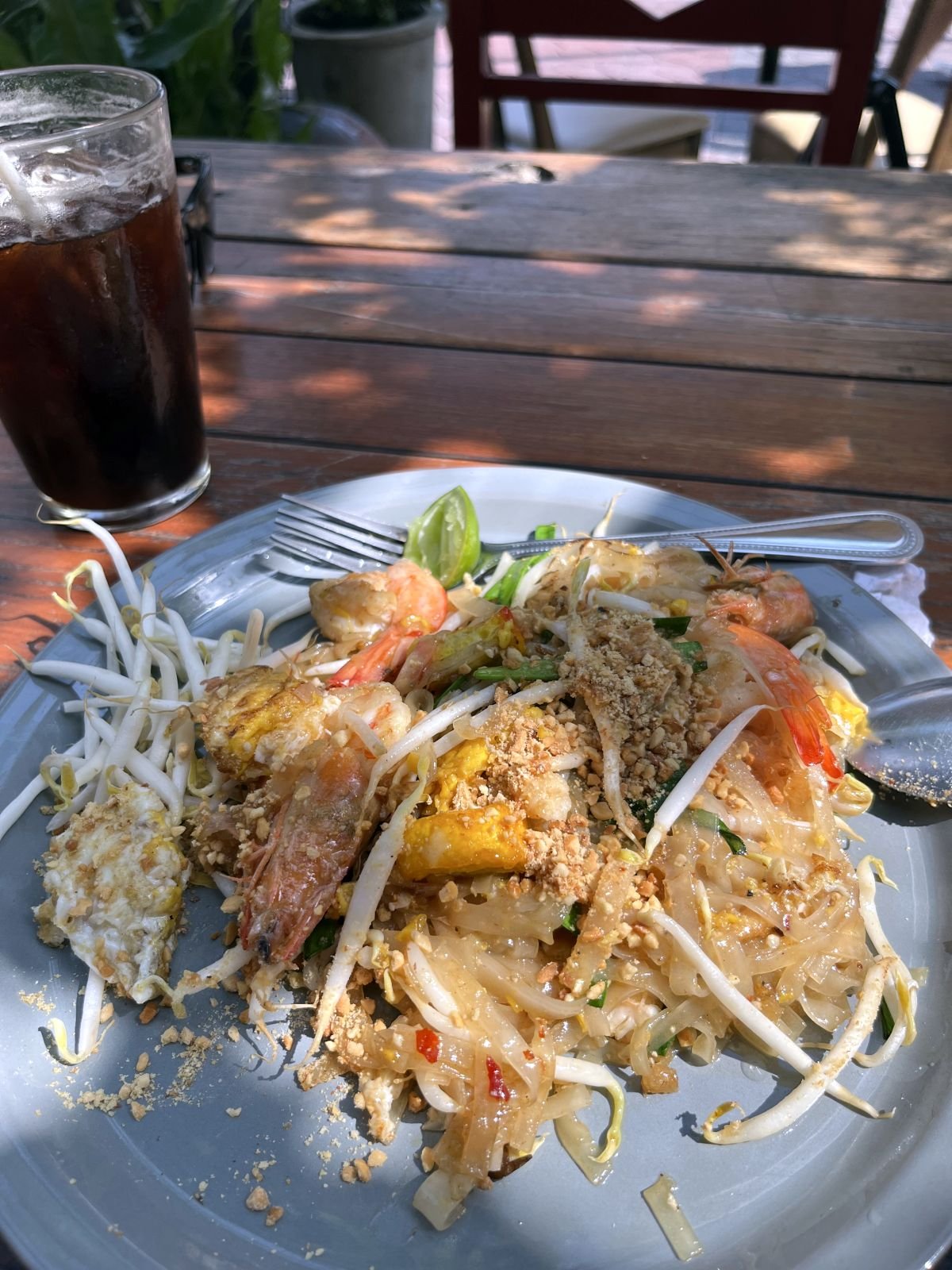
Most people identify Thailand with stunning island beaches (Phuket, Koh Samui, Phi Phi), wild nightlife (Pattaya, Full Moon Party), and maybe one or two tuk-tuk rides 😉 But it only represents a tiny fraction of what the country offers. For many, the “Real Thailand” exists away from the coastal resorts and city neon, offering a deep, unforgettable and adventurous experience. After spending months exploring this incredible country, I’ve discovered spots where adventure isn’t manufactured for tourists; it’s just the way of life. Here are magnificent and adventurous places to go in Thailand that will leave you with stories you’ll cherish for life.
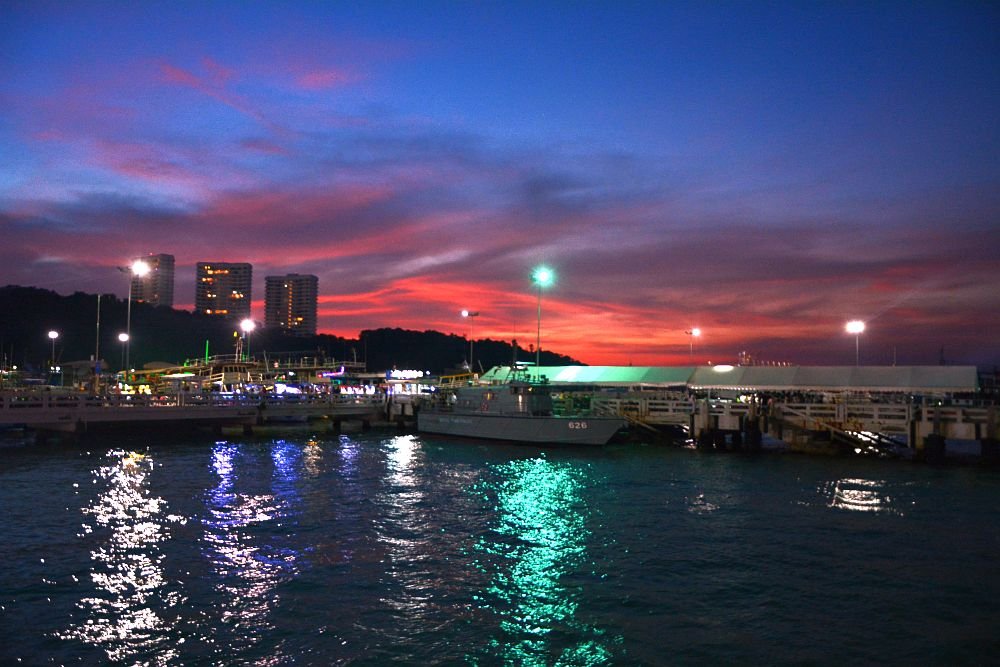
The best places to go in Thailand.
1. Pai and Pai Canyon (Kong Lan) – Walking the edge in Northern Thailand.
Pai is one of the most magical places I’ve ever been to during my travels. It’s a small mountain town in the Northern Thailand. The beauty of the place is indescribable; the atmosphere – unexplainable.
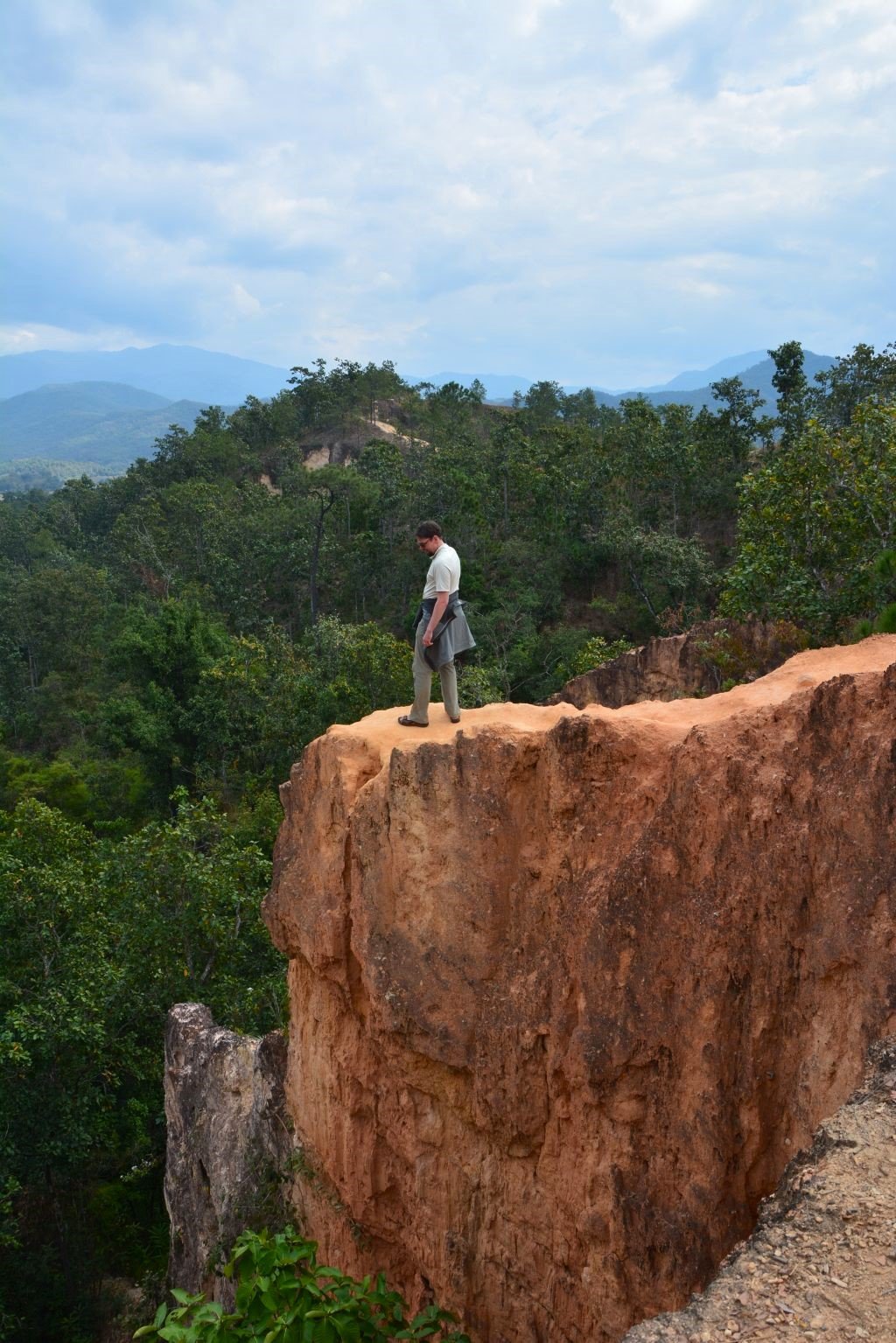
The most convenient way to travel around is by a motorbike, it’s easy, cheap and fun, especially in a group. Pai Canyon something that’ll literally put you on the edge. Located about 8 kilometers outside the bohemian mountain town of Pai. We’re talking narrow ridges with sheer drops on both sides, some sections barely wider than your foot. The canyon consists of a series of steep clay cliffs that create natural pathways along ridges.
What makes Pai Canyon special is the lack of safety rails, no hand-holding, and no signs warning you about every possible danger. It’s just you, the trail, and your own judgment.
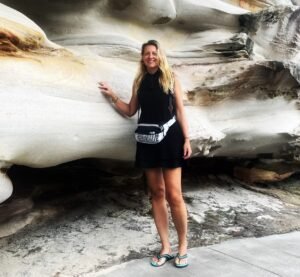
PRO TIP: Wear proper hiking shoes. I would not recommend flip-flops, and honestly, it was terrifying to watch people wearing them in this place. Also avoid the place after rain, the clay becomes slippery as ice.
Explore magical Pai.
Pai is a town of about 2,000 people nestled in a valley 1,000 meters above sea level. It is one of the top recommended places to go in Thailand if you want to explore amazing waterfalls, canyon landscapes, enjoy hot springs and some of the most scenic motorbike routes. It has one main street, a night bazaar, some temples, and waterfalls nearby. Pai is about community, conversation, and the intangible feeling of being part of something countercultural without trying too hard.
To explore the nearby spots rent a scooter. It’s around $7/per day. Traffic is minimal and safe. This is one of the few places in Thailand where renting a scooter feels appropriate rather than risky.
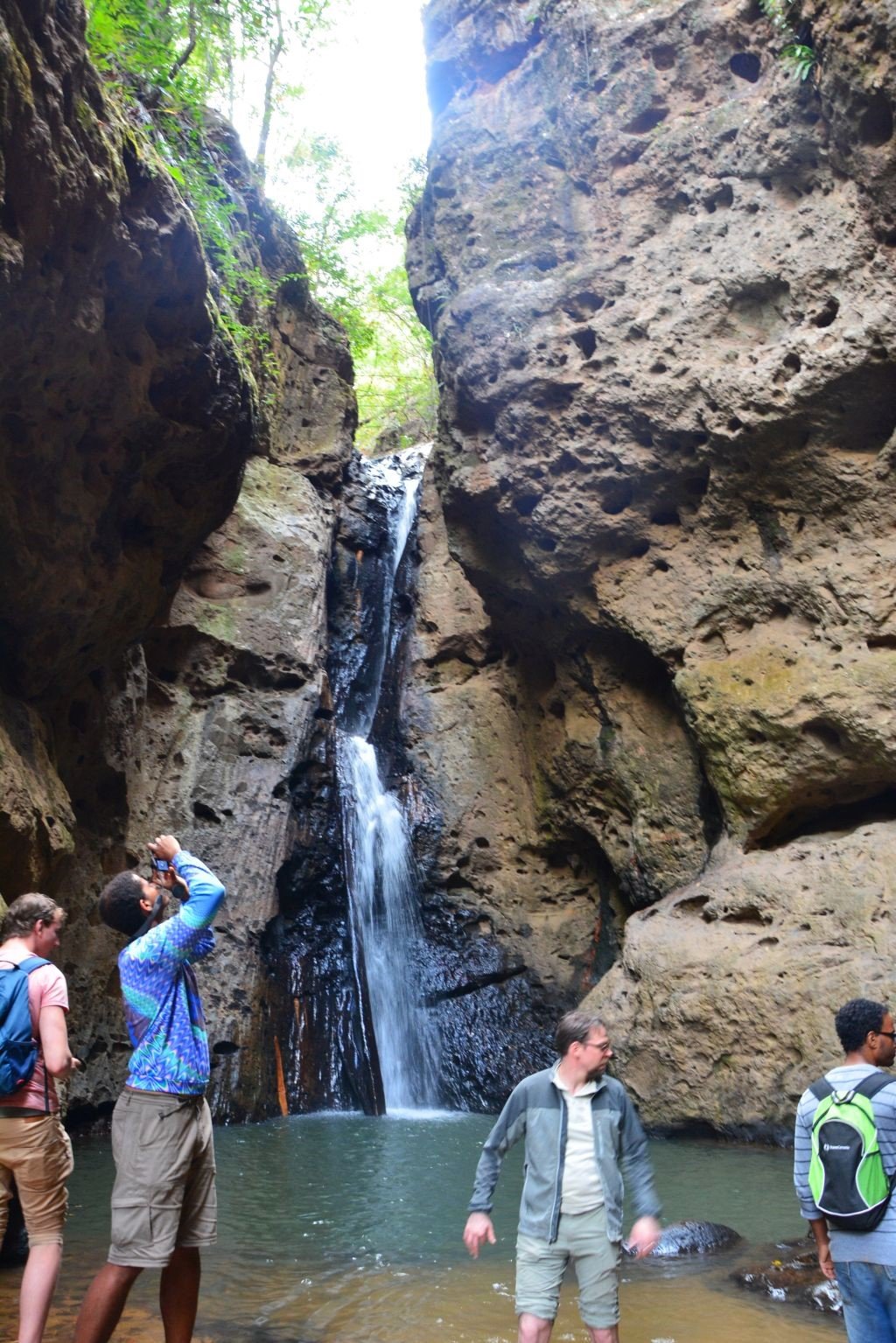
There are several waterfalls within 20-30 kilometres. Pai Waterfall is the most famous and touristy.
Pai has become somewhat famous for yoga, meditation, and wellness retreats. However, the quality varies wildly, while most guesthouses offer cheap yoga for guests.
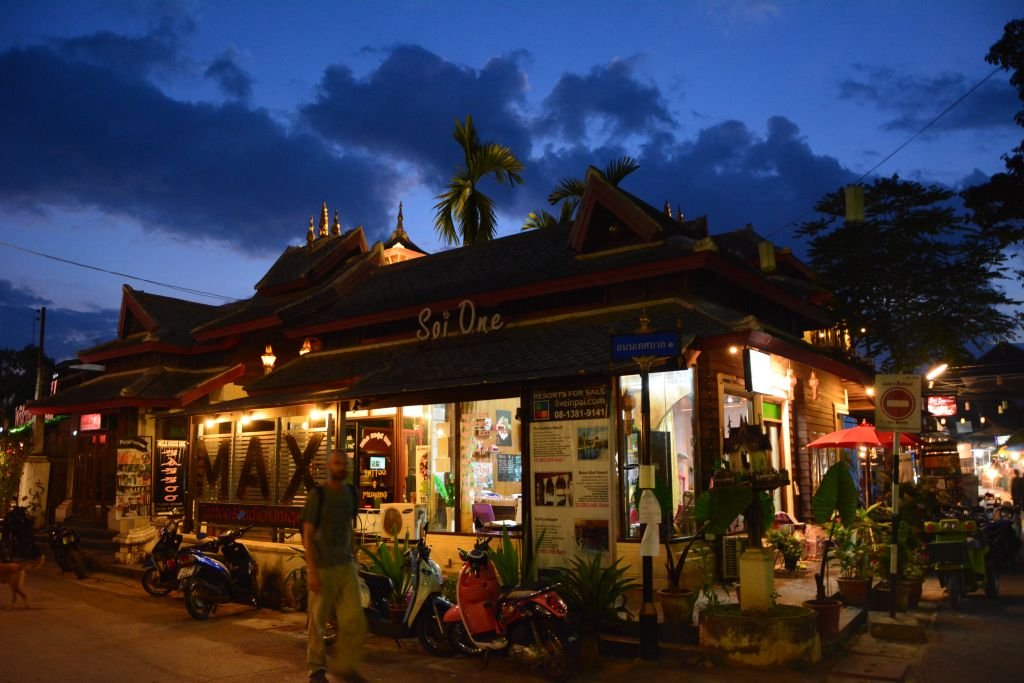
Pai’s night bazaar happens every night on the main street. It’s half market, half social gathering. The night bazaar serves the best street food—pad thai, pad see ew (soy noodles), mango sticky rice, fresh spring rolls, grilled fish. Total cost for a full meal ~ 60 baht ($2).
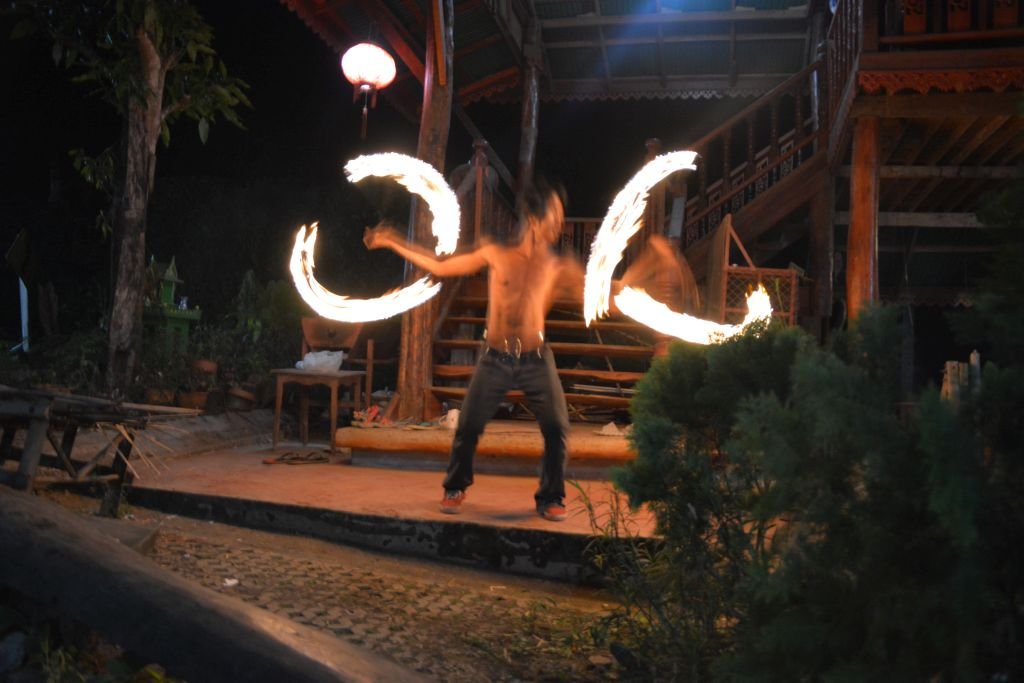
Beer and Nightlife: Pai has a surprisingly good bar scene. Beer is cheap (large bottle: 30-50 baht/$1-1.50). Live music and cultural performances happen every night. I have never experienced more relaxed and addictive atmosphere across Asia. The vibe is communal rather than partying.
Getting to Pai.
Getting There: Pai is 130 kilometers from Chiang Mai. The easiest way is taking a minivan from Chiang Mai’s central songthaew station for 100 baht ($3), they stop for passengers throughout the journey. It takes about 3-4 hours to get from Chang Mai to Pai.
There’s also a direct minibus from Chiang Mai for about 120 baht ($3.50) and 2-3 hours.
From Chiang Rai, you’d go through Chiang Mai first.
Where to stay in Pai.
Pai has budget guesthouses ($8-15/night), mid-range accommodations ($20-40/night), and boutique options ($60-120/night). The main street can be noisy at night due to bars and bazaars. We stayed just at the end of Pai in a magical place with a mountain view. It was the best experience ever. There was a huge terrace with hammocks, plenty of books and table games. The sunset was stunning, while we all were chilling, surrounded by jungle noises and green scenery.
How Long to Stay: Plan for 3-5 days minimum. The first day, you’ll adjust. Days 2-3, you’ll actually be present. Days 4-5, you’ll understand what Pai is about. Many people plan 3 days and end up staying 2 weeks.
2. Chang Rai - the white temple!
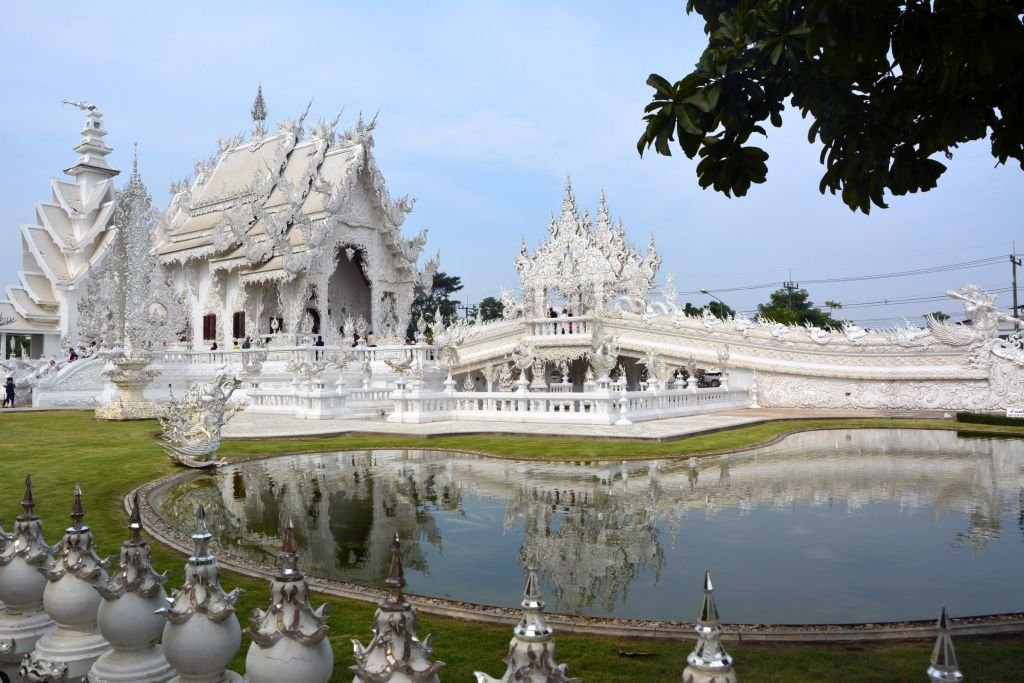
Chiang Rai is located 780 kilometers north of Bangkok, or a 1.5-hour flight, and it feels like a different country. The sophisticated white temple is one of the most unique places to go in Thailand. The air is cooler. The pace is slower. And the white temple is overwhelming!
Here is the top-recommended and highly booked private tour to visit the temple from Chiang Mai.
There’s also an option to combine the white temple and the blue temple in one tour from Chiang Mai.
What to do in Chang Rai?
The White Temple (Wat Rong Khun) is genuinely stunning—all white, contemporary. The artist, Chalermchai Kositpipat, designed it as a “heavenly gathering place,” and there’s something almost surreal about it compared to older temples.
But Chiang Rai’s real magic isn’t not only in temples but the surrounding valleys, people, and the food. 😉 Chiang Rai is highly influenced by the Loas neighbourhood, which is heavily noticed in the local cuisine.
The most interesting parts of Chiang Rai are the old town, the white temple, tribal villages (watch out for fake settlements created for tourists), and the night bazaar, where locals eat street food and play live music.
Recommended tours:
The Golden Triangle.
The Golden Triangle is where Thailand, Laos, and Myanmar converge at the Mekong River. There’s a spectacular viewpoint near Wat Phra That Doi Tung
A good idea is taking a boat trip on the Mekong River for around 400 baht ($10) per person.
Hill Tribe Villages and responsible tourism.
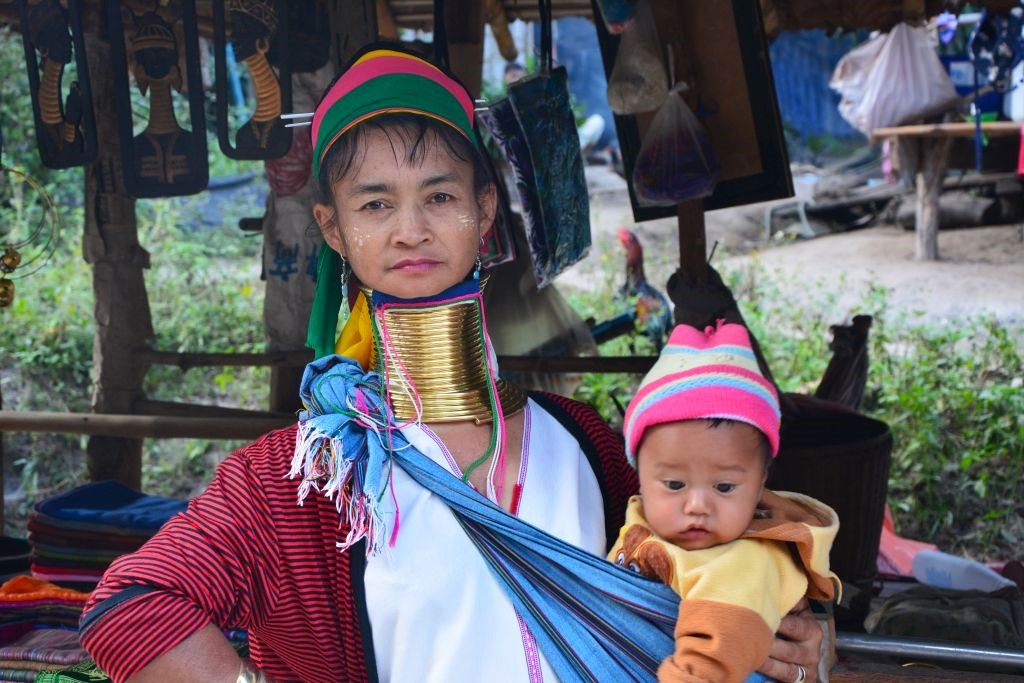
Here’s where you need to be careful. “Hill tribe” tours are controversial because they often function as human zoos—tourists paying to photograph people in traditional dress in staged villages. The hill tribes (Karen, Hmong, Akha, Lisu, Lahu people) are real communities with genuine cultures, and there are responsible ways to engage.
TRAVEL ADVICE: Avoid tours that promise elephant interaction or that treat villages as exotic entertainment. Instead, look for community-based tourism where money directly benefits locals and you’re there to learn. Several organisations run legitimate treks where you stay with families, eat with them, and actually participate in their lives rather than photograph them.
How to get to Chiang Rai?
FLIGHT: A flight from Bangkok to Chiang Rai costs around $40-80 on budget airlines (Thai AirAsia).
BUS: Overnight buses run from Bangkok for $20-40 and take 10-12 hours—they’re actually more comfortable than you’d expect and get you there at breakfast time.
TYPICAL TRAVEL ROUTE: Bangkok – Chiang Mai – Chiang Rai – Pai. All these are top places to go in Thailand – trust me 😉
Chiang Rai – getting around: If you’re comfortable driving you can rent a scooter ($6-8/day). Many guesthouses arrange drivers for $30-50/day.
Chiang Rai has excellent mid-range guesthouses ($20-40/night) and increasingly good boutique hotels ($60-100/night). The old city area is most atmospheric.
The best time to visit Chang Rai is from November to February with cool and dry weather. March-May is intensely hot. June-October is rainy but lush.
3. Koh Samui - paradise on Earth!
Koh Samui is a cosmopolitan and well-organized part of Thailand—but also a place where you can rent a private villa with a pool overlooking the ocean, have excellent food delivered to that villa, and not deal with any of the rougher edges of Thailand travel. Some say the island is one of the top destinations to go in Thailand.
Why to choose Koh Samui?
Koh Samui is approximately 15 kilometers long and 5 kilometers wide. It’s Thailands second largest island, famous for its palm-fringed beaches and much better vibe than Phuket 😉 Koh Samui is the most developed island in Thailand, where each town has its character. It’s also where you’ll have an actually comfortable beach vacation, modern infrastructure with exotic corners.
The best beaches in Koh Samui.
Chaweng Beach is the main tourist area with wide sandy beach, clear water, bars and developed infrastructure – equals = dense crowds & high prices, and claustrophobic.
Maenam Beach is located on the northern coast, quieter, better for families, less party atmosphere. Long beach, good seafood restaurants, less crowded than Chaweng or Lamai.
Bophut – small fishing village-turned-tourist area. You’ll find lots of boutique hotels and upscale restaurants, relevant for travelers who want development-level infrastructure with less party atmosphere.
Nathon is the port area, primarily a point of arrival/departure. Worth a visit for authenticity but not a beach destination itself.
What to do in Koh Samui?
- The most characteristic spot of the island is the 12-meter golden Buddha (Big Buddha – Wat Phra Yai), which dominates the northeastern part of the island.
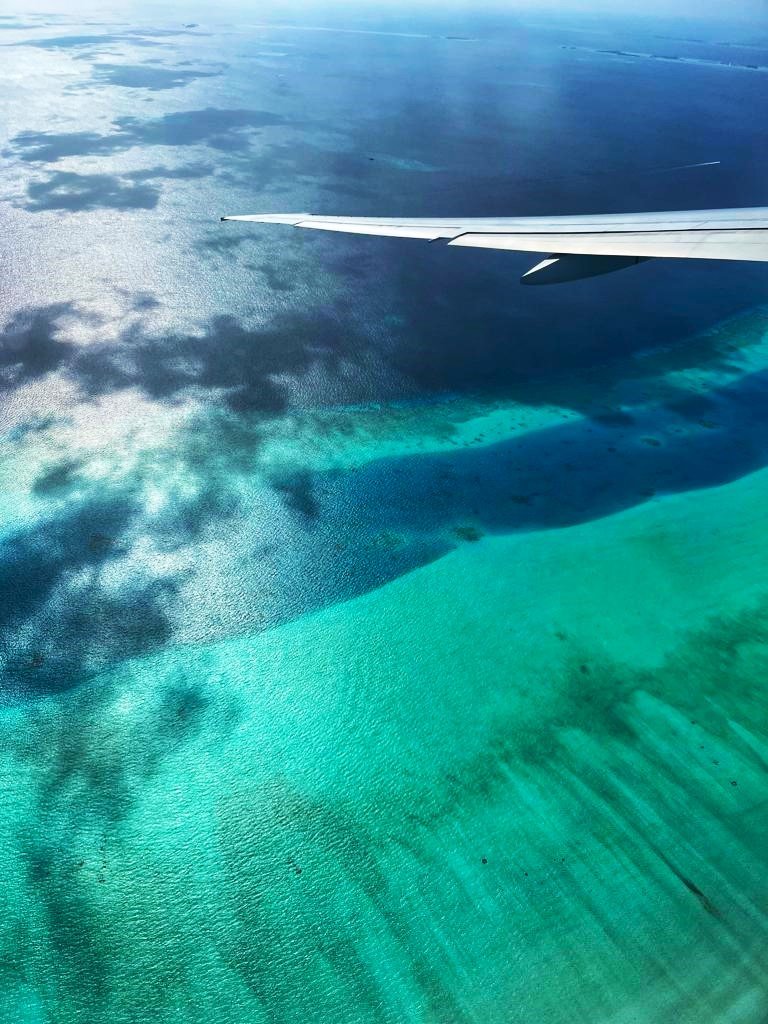
- Ang Thong Marine National Park – a protected archipelago near Koh Samui comprising 42 islands.
PRO TIP: Take a day-tour ($25-50 per person) including snorkeling, kayaking, and visiting lagoons. The coral is healthier and more beautiful than around Koh Samui itself. This is actually worth doing—it gets you off the main island and provides genuine natural beauty.
- Secret Falls (Hin Lad Waterfall). A 30-minute trek through jungle takes you to a beautiful waterfall in a pool. Organised tour: about 500 baht ($15) including transportation.
Koh Samui has excellent restaurants representing multiple cuisines. For a beach destination, the food quality is genuinely impressive.
Snorkeling & diving in Koh Samui.
I highly recommend snorkeling trips to nearby smaller islands (Koh Tao, Koh Nang Yuan). Expect to pay $30-50 per person for day trips with equipment included.
Scuba diving certification courses are available and relatively affordable ($300-400 for a 3-day course).
Koh Samui Nightlife and Entertainment
Koh Samui has a substantial bar scene, from dive bars to upscale lounges but the atmosphere varies depending on location.
How to get to Koh Samui?
The easiest way to get to Koh Samui is taking a direct flight from Bangkok which takes 1 hour and cost $40-100. There are also boat options from Bangkok’s ports (4-6 hours, $40-60).
Getting Around Koh Samui
Taxis are available but expensive ($10-20 for most inter-island journeys). Scooter rental ($6-8/day) is standard for travelers. Roads are good by Thai standards. Grab (Uber equivalent) operates and is great for late-night journeys.
Where to stay in Koh Samui?
There are many accommodation options from budget $15-30/night, to mid-range: $50-90/night, but nothing compares to Samui Villas.
Best Time to Visit: November to February (cool, dry season). The rest of the year is hot and humid, with June-October being the rainy season. Tourism volume peaks in December-January.
4. Bangkok – The City That Never Sleeps.
Bangkok is often the first stop for travelers and most of them land in the Khao San Road, the famous party street that never sleeps. Bangkok is among my top 3 most beloved cities in the world. There’s literally everything, best food, best markets and best adventure wrapped in greatest vibes you can imagine. It’s safe, developed and full of exploration.
FACT: Bangkok is the hottest city in the world due to its consistently high year-round temperatures, extreme humidity, and the “concrete jungle” effect.
H2: What to see in Bangkok?
The city pulses with 10 million people. Want to get impressed – visit the Grand Palace, walk Khao San Road. But to experience real Bangkok, stay in Ram Buttri Aly. Head lesser know rooftop bars for stunning panoramic views and a more local vibe.
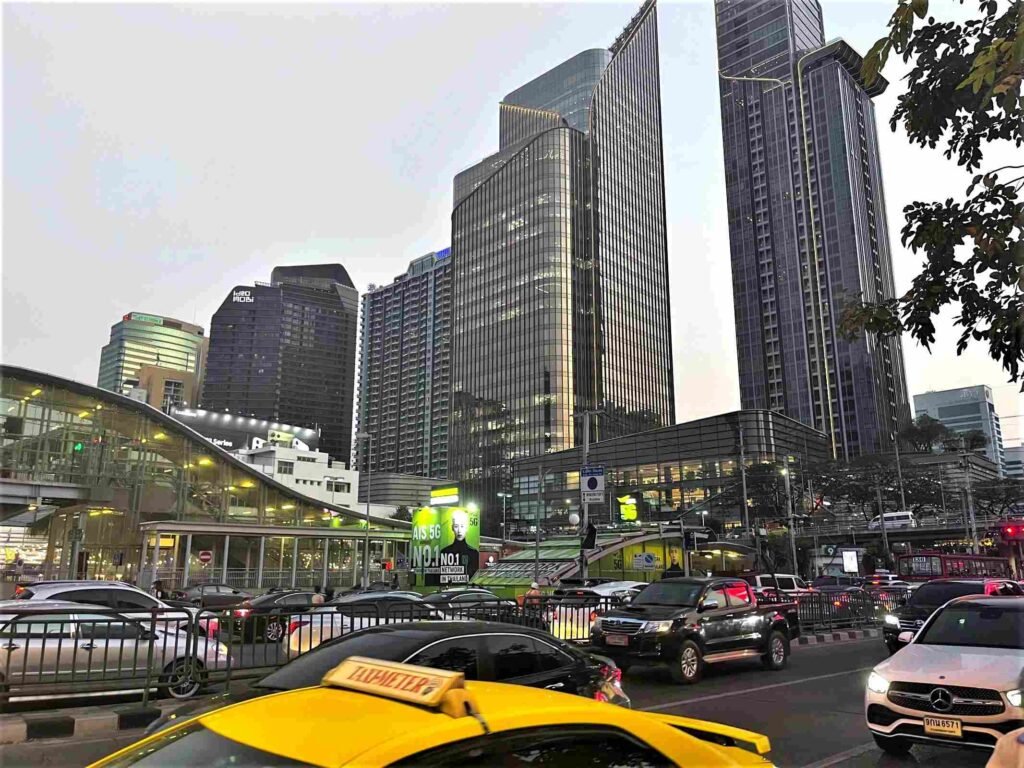
Getting around Bangkok.
The BTS Skytrain is a fast and efficient alternative to road traffic. It consists of two main lines, the Sukhumvit and Silom.
Silom: This is Bangkok’s business district with an edge. By day, it’s corporate towers and convention centers. By night, the Silom night bazaar transforms into organized chaos—stalls selling everything from knockoff luxury goods to genuine local crafts.
The food here is exceptional and cheaper than Sukhumvit.
The Old City is simultaneously the most authentic and most crowded part of Bangkok. Visit the temples early (6:00-7:00 AM) before tour groups arrive. You’ll have the experience entirely differently. The early morning light through temple windows, the soft chanting of monks, the smell of incense—this is when the spiritual power actually hits.
Bangkok cuisine.
The best food happens in places where there are no English menus, where locals crowd in at lunch, and where the cook knows your name by your third visit.
Can you imagine Bangkok has the highest density of Michelin-starred restaurants in Southeast Asia. Nahm and Bo.lan offer genuinely revelatory meals that will change how you understand Thai food. But be prepared to spend $80-150 per person, and book weeks in advance.
Market Breakfasts: My favourite part of the city. In Bangkok I eat almost everything what street food stalls have to offer /except meat../.
Temple Protocol (Don't Get It Wrong).
Thailand is 95% Buddhist, and temples are living spiritual spaces. Here are few important visiting tips:
- Dress respectfully: shoulders covered, knees covered. Yes, it’s hot. Deal with it.
- Remove shoes before entering any building with Buddha statues
- Never point your feet at Buddha images or monks
Must visit temples:
China Town – Wat Mangkon Kamalawat (Wat Leng Noei Yi) for the most beautiful celebration experience. The temple, founded in 1871, is the largest and most important Chinese Buddhist temple in Bangkok.
The Temple of the Reclining Buddha (Wat Pho) with 46 meters long golden Buddha.
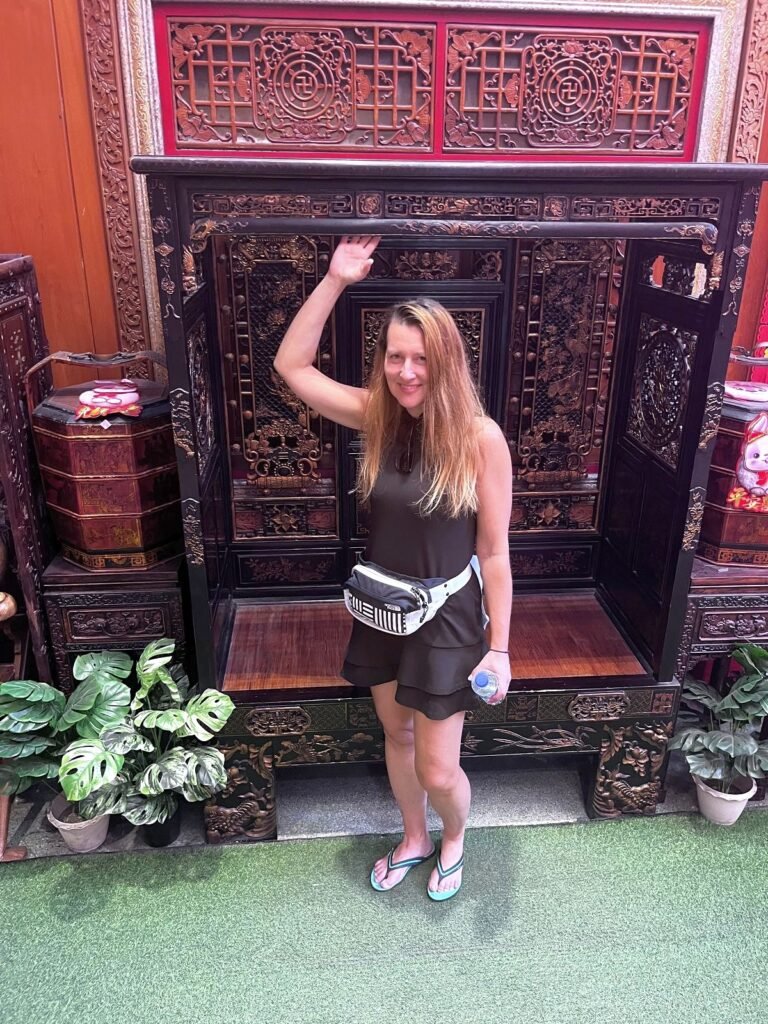
Getting around Bangkok.
Getting Around: The BTS Skytrain is fast, clean, and efficient. Tap card system (Rabbit Card) costs about 15-50 baht per journey ($0.50-$1.50).
Grab (Southeast Asia’s Uber) but remember the traffic is heavy.
Buses are cheapest at 7-25 baht.
SAFETY: Bangkok is safer than most major US cities, but petty theft exists. Don’t flash with expensive jewelry, don’t leave drinks unattended at bars, don’t walk alone at 3 AM in unknown areas. Use common sense. I’ve been to Bangkok several times, walked almost every corner and I consider it very safe. generally welcoming and safe.
Best Time to Visit: November to February is ideal—dry and cool (relative to Thailand). March-May is hellishly hot and humid. June-October is the rainy season, but rain typically comes in evening downpours, not all day. August-October has fewer tourists.
Budget Reality: Budget travelers spend $20-30/day on accommodation and food. Mid-range travelers spend $50-80/day. Bangkok is cheap, but it’s not free.
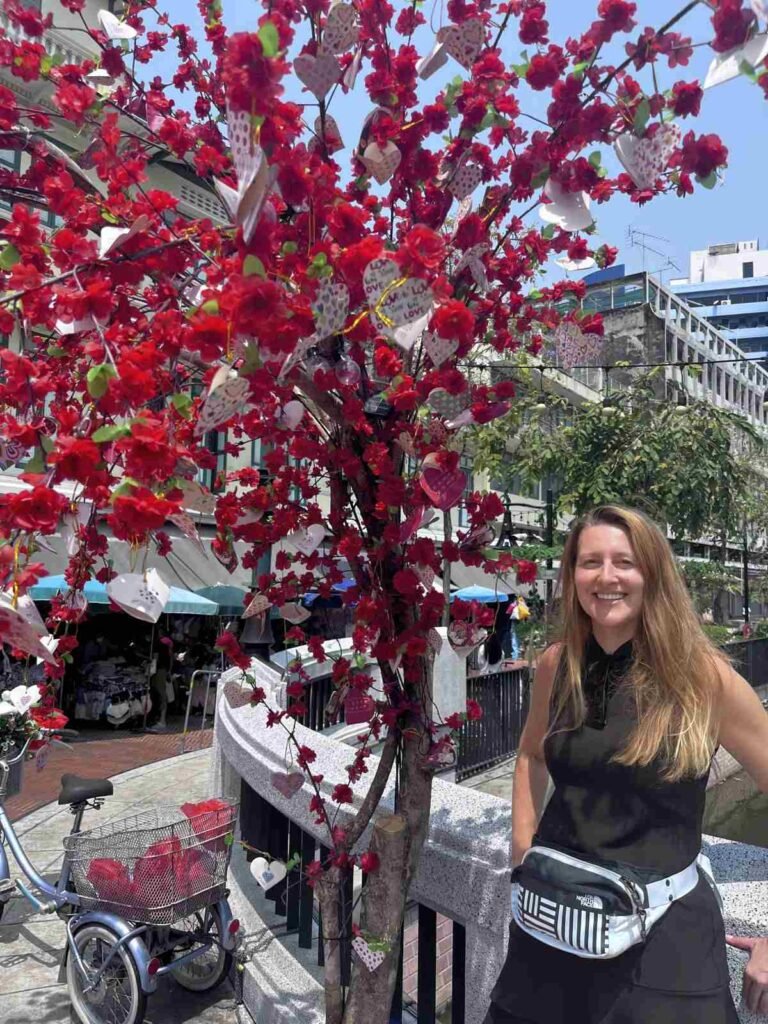
5. Pattaya - the sin city!
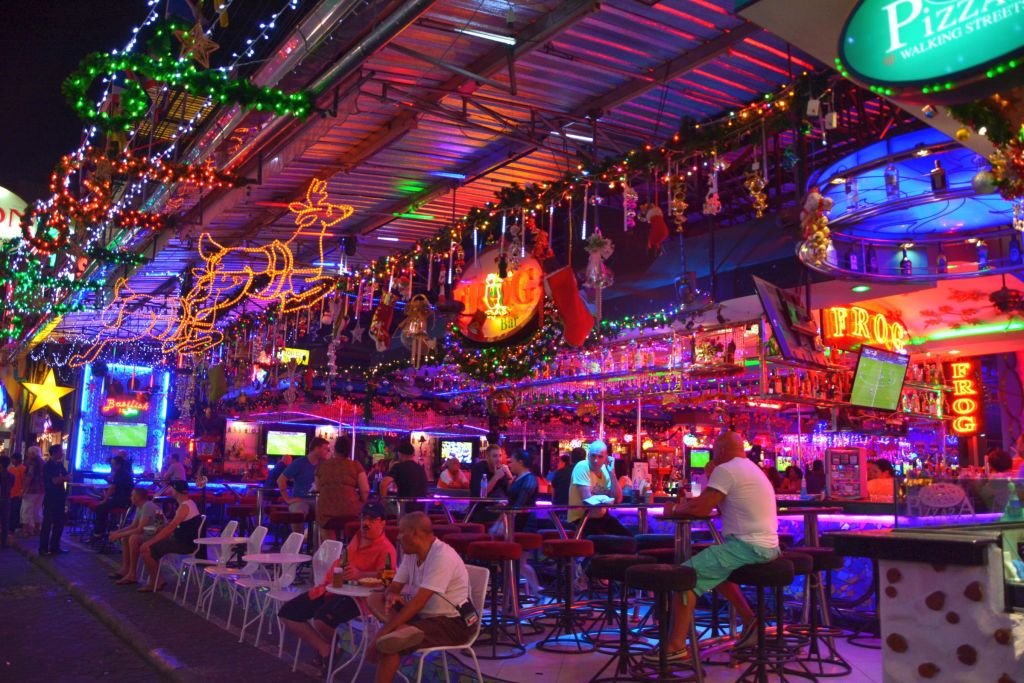
Pattaya is a buzzing city, one of the top places to go in Thailand for unforgettable nightlife and entertainment. Over the last couple of years, city authorities are trying to make the place more family-friendly, thus you’ll be able to find modern infrastructure and exceptional resorts.
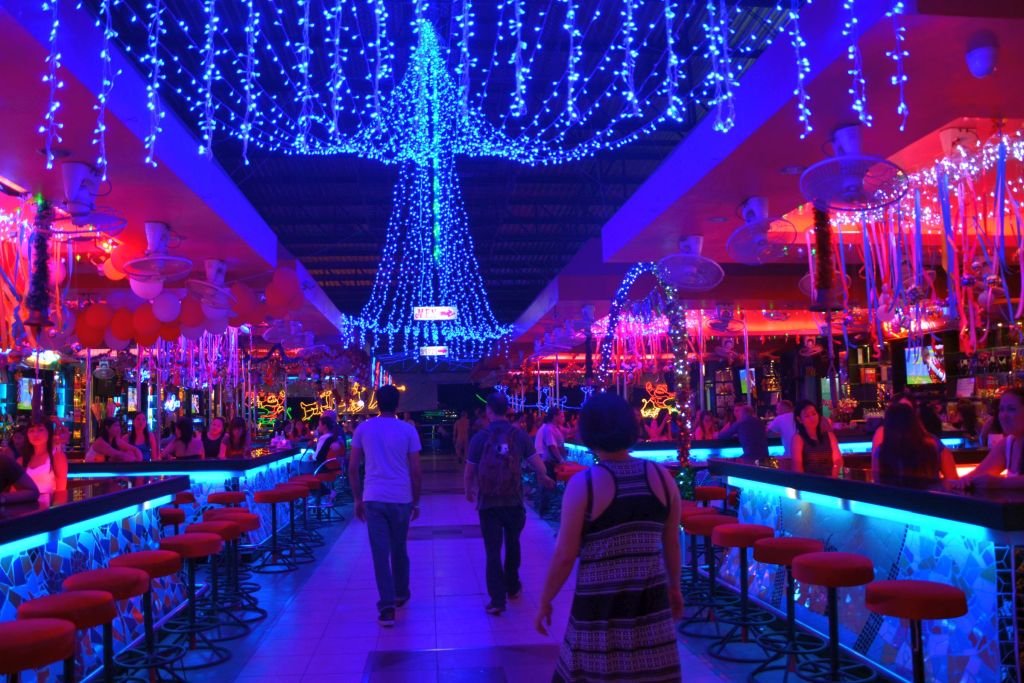
The streets of Pattaya light up after dark. Hundreds of erotic & dance clubs, shows illuminate along the main walking street. There are ice bars, flashy clubs, food stalls, fish spa and lots of diverse entertainment.
Where to stay in Pattaya?
Mid-range $50-$85:
- Magnificent 5*starArbour Hotel and Residence Pattaya, with rooftop pool, spa and restaurant available. 15 minutes from Pattaya Beach – $60/per night.
- Exceptional 4* star Amethyst Hotel Pattaya – an ideal choice for solo adventurers exploring Pattaya, with unique rooms with Jacuzzi bathtubs.
Monay & Banking in Pattaya.
Thailand uses the Thai Baht (THB). As of early 2026, exchange rates are approximately 30-35 baht per USD (verify current rates).
- Withdraw cash from ATMs in cities (Krung Thai bank has reliable international networks)
- Credit cards accepted widely in tourist areas and upscale restaurants
- Always negotiate prices at night markets
- Restaurant bills already include tax (Thailand has a value-added tax)
- Tipping is not required but appreciated at upscale restaurants (5-10% is standard)
Don’t forget 7-Eleven will get you anything you need at any time of the day and night 😉
Health & Safety in Thailand.
Thailand is generally safe, but:
- Tap water isn’t drinkable;
- Ensure vaccinations are up-to-date (hepatitis A and B, typhoid recommended)
- Malaria risk is low in tourist areas but present in northern regions; consider insect repellent with 50% deet works best
- Travel insurance is essential
- Avoid street drugs entirely; laws are severe and enforcement is real
Pattaya - what budget?
Budget Traveler (hostels, street food, local transport):
- Bangkok: $25-35/day
- Chiang Rai: $20-30/day
- Pai: $15-25/day (cheapest)
- Koh Samui: $30-50/day
Mid-Range Traveler (mid-level hotels, mix of restaurants, occasional activities):
- Bangkok: $50-80/day
- Chiang Rai: $40-60/day
- Pai: $30-50/day
- Koh Samui: $70-120/day
The best travel experiences in Thailand come from taking time. Sit in a coffee shop. Talk to people. Wander streets without directions.
Thailand works. Not because it’s “exotic” or “cheap” or “beautiful,” though it’s all those things. Thailand works because when you engage with it respectfully and patiently, it reveals a genuine human connection underneath the tourism infrastructure.
6. The Gibbon Experience – Sleeping in the Rainforest Canopy.
Want to experience something truly extraordinary – head to the Bokeo Nature Reserve in northern Thailand, near the Laotian border.
The Gibbon Experience isn’t just a zipline tour—it’s a multi-day immersion into one of Southeast Asia’s last rainforests, with overnight stays in treehouses suspended 40 meters above the jungle floor.
Staying in a tree house accessed by zip lines, hiking through the forest then crossing above the canopy on zip lines is an incredible experience.
I’m talking about some of the longest and highest ziplines in the world here. We’re not talking about the tourist-trap ziplines. The longest one spans nearly half a kilometer, and when you’re halfway across, suspended above dense jungle.
And about those gibbons—if you’re lucky (and quiet), you’ll hear their haunting calls echoing through the canopy at dawn. Sometimes they’ll swing past your treehouse, close enough to make eye contact.
What to know: Book months in advance—they limit numbers to minimize environmental impact. The experience includes all meals (surprisingly good, considering they’re cooked in the middle of nowhere), guides, and equipment. Bring a headlamp, insect repellent, and quick-dry clothes. Leave your expectations of comfort at home.
The Gibbon Experience attracts serious adventurers, not resort-hoppers. Your treehouse mates might be a German rock climber, an Australian wildlife photographer, and a Japanese solo traveler. The conversations under the stars, with the jungle alive around you, are as memorable as the ziplines themselves.
7. Koh Tao.
Koh Tao earned the nickname “turtle island certification factory”, because backpackers would massively get their diving certifications.
On land adventures: Koh Tao is more than water sports. The interior is mountainous and covered in jungle, with hiking trails connecting beaches and leading to stunning viewpoints. The hike to Hin Wong Bay takes you through dense forest and over boulders, emerging at a secluded beach perfect for snorkeling.
Rock climbing is developing here, too, with several cliff faces being bolted for sport climbing.
Koh Tao is developed. It’s touristy. But if you look beyond the party scene, there’s genuine adventure here.
8. Khao Sok National Park – Jurassic World Comes to Life!!
Khao Sok National Park is a 160-million-year-old rainforest in southern Thailand renowned for its towering limestone cliffs, dense jungle. It’s one of the most extraordinary places to go in Thailand.
You will feel like you have stepped into a time machine and ended up in the Cretaceous period,
The centerpiece is Cheow Lan Lake, and 300 meters cliffs, seemingly out of nowhere, covered in vegetation that looks prehistoric!
The Adventure Factor: The best way to experience Khao Sok is on a multi-day expedition staying in floating raft houses on the lake. These aren’t luxury accommodations—think basic rooms on bamboo platforms that sway with the water—but the setting is incomparable.
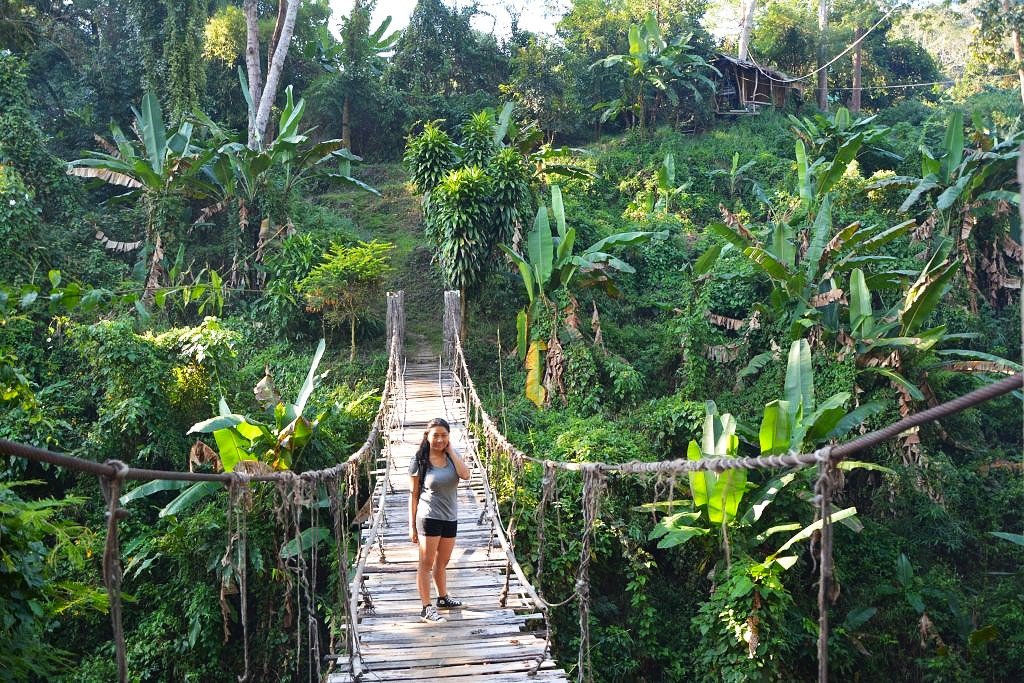
The jungle treks here are the real deal. With a local guide (absolutely essential—people have gotten lost and died in this jungle).
Night safaris are where Khao Sok gets truly wild. After dark, the jungle comes alive with sounds and creatures you’d never see during the day.
The park also offers some serious hiking, including multi-day treks to remote areas. These require permits, experienced guides, and a willingness to sleep in hammocks while mysterious sounds surround your campsite. It’s not for everyone, but if you want to experience true wilderness, this is it.
9. Doi Inthanon National Park – The Roof of Thailand
Let’s end at the top—literally. Doi Inthanon, at 2,565 meters, is Thailand’s highest peak. The national park offers some of the country’s best hiking, most spectacular waterfalls, and opportunities to experience hill tribe culture in authentic settings.
The Kew Mae Pan Nature Trail is a 3-kilometer loop that traverses dwarf cloud forest near the summit.
Doi Inthanon has some of Thailand’s most impressive waterfalls. Mae Ya Waterfall, the park’s largest, is a 280-meter-wide cascade that’s at its best during and just after the rainy season. The hike to reach it is moderate but beautiful, passing through forest that transitions from bamboo to hardwood to pine as you change elevations.
Wachirathan Falls is another must-see—a powerful single-drop waterfall.
Hill tribe villages in the Doi Inthanon area are the most authentic you’ll find in Thailand’s north. Ban Mae Klang Luang and other Karen and Hmong villages have community-based tourism programs that allow visitors to stay with families, work in rice paddies and coffee farms, and participate in daily life.
Winter magic: Visit between November and February, and you might experience something rare for Thailand—frost. The summit can drop below freezing, and occasionally, there’s even a dusting of snow.
Note: This post may contain affiliate links, which are at absolutely no cost to you – I can earn a small commission on sales generated through this website and thanks to that I can share travel guides and inspirations that may help you reach your dream destinations and discover our unique world. I only recommend sites I actually use and have traveled to. Thank you for your support!