After crossing a land border with Thailand, I first visited Siem Rep, the Angkor Wat, Sihanoukville, the Cambodian Islands and then decided to explore the coastal cities, which eventually led me to Kampot – I would never imagine it is such an amazing destination! Kampot in Cambodia isn’t just another stop on the Southeast Asian backpacker trail—once you get there, it’s really hard to leave. Here are 15 incredible things to do in Kampot and nearby Kep, plus what to eat, how to get there, where to stay and a ready-made 3-day itinerary.
What to do in Kampot, Cambodia.
While Siem Reap gets the temple tourists and Sihanoukville draws the beach & party crowds, Kampot – a peaceful riverside town of roughly 50,000 people- offers a chance to experience Cambodia from a totally different perspective.
I would say Kampot is one of Cambodia’s best-kept secrets. Some of the places that I have seen around Kampot were simply magical and are the type of Asia I love: natural, unique, authentic.
Why visit Kampot?
Kampot is one of the best places in the country to slow down:
- It’s easy and relaxed. Small enough to walk around, with good cafés, guesthouses and a friendly traveller scene.
- Nature is right next door. Bokor National Park, rivers, caves, salt fields and the coast are all within an hour.
- It’s a food destination. Kampot pepper is world-famous, and the crab market in nearby Kep is a must.
- It’s great value. Accommodation, food and tours are cheap even by Cambodian standards.
1. Kampot - the bats land!
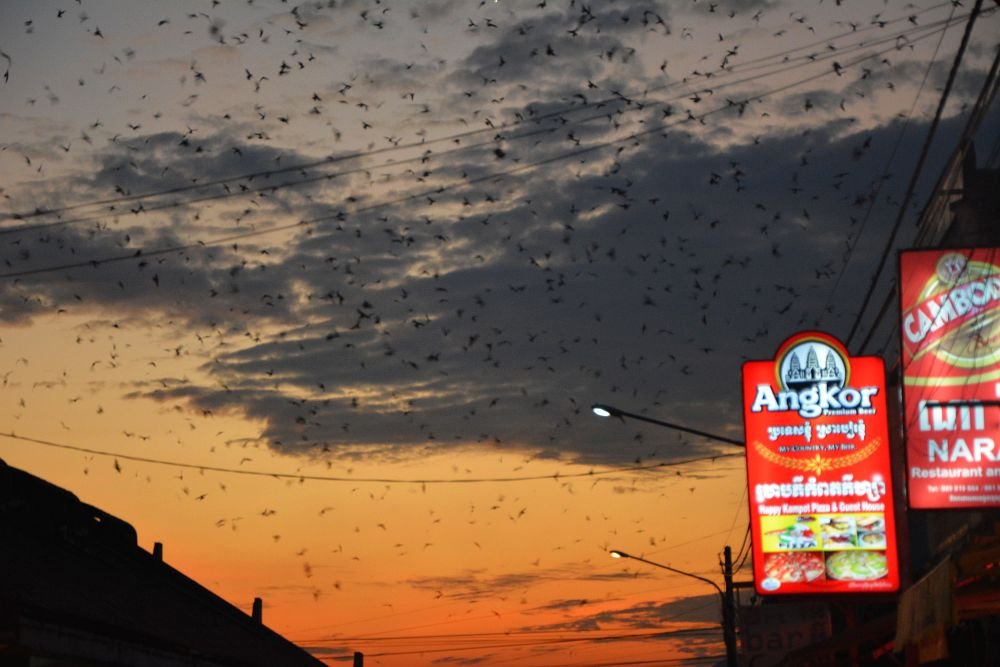
Kampot town is lovely; we sat for a beer in one of the local bars, awaiting the magical sunset. But the sunset wasn’t the highlight of the dusk; the moment when thousands of bats covered the orange sky!
Like I said, Kampot is a place to slow down and see the real Cambodia.
Phnom Chhnork Cave Temple!
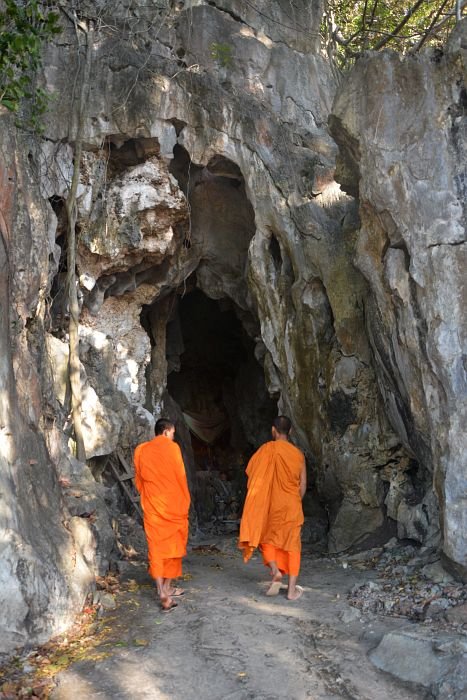
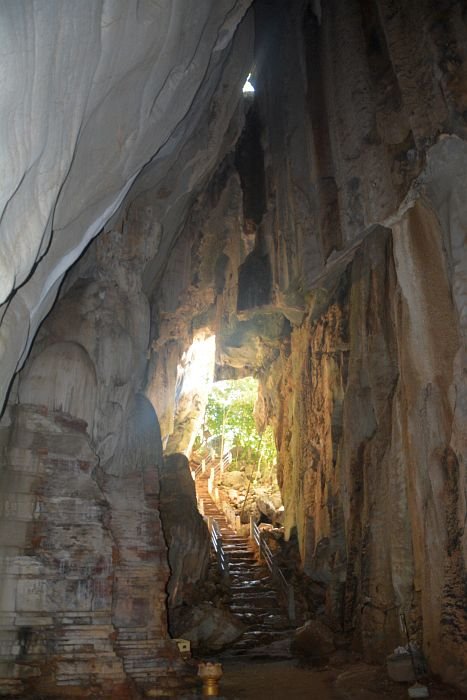
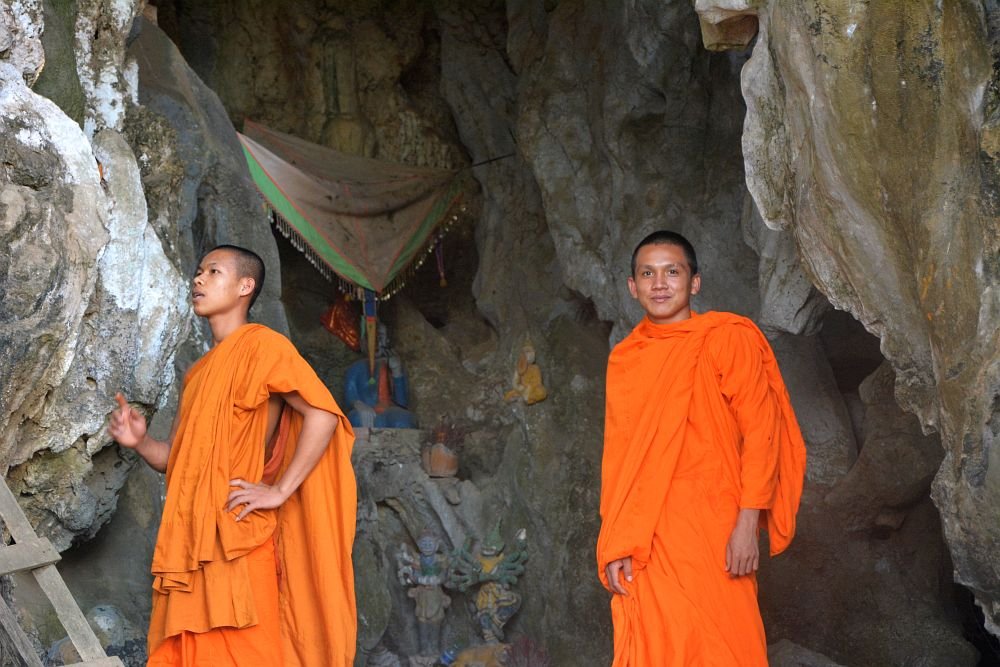
Just outside town, Phnom Chhngok hides a small brick temple inside a limestone cave, built well before Angkor Wat. We climbed a staircase through the rocks, then step into the cool, dim cave where the ancient shrine sits under dripping stalactites.
LOCATION: Phnom Chhnork Cave Temple is an amazing Hindu Cave temple in Kampot Province, 7 kilometres northeast of Kampot.
We were the only people to visit the cave, and we had it just for ourselves, which is very unusual for Cambodia.
The temple was built in the 7th century!
2. Ride out to the Secret Lake
The so-called Secret Lake is a large reservoir surrounded by rice fields and palm trees. It’s beautiful at sunset, but it also has a dark history: it was dug by forced labour during the Khmer Rouge regime.
3. Bokor National Park.
If there’s one experience that defines Kampot in Cambodia, it’s the journey up to Bokor National Park. It’s a massive 1,544-square-kilometre protected wilderness area crowned with the ghostly remains of a French colonial hill station, all wrapped in perpetual mist and mystery.
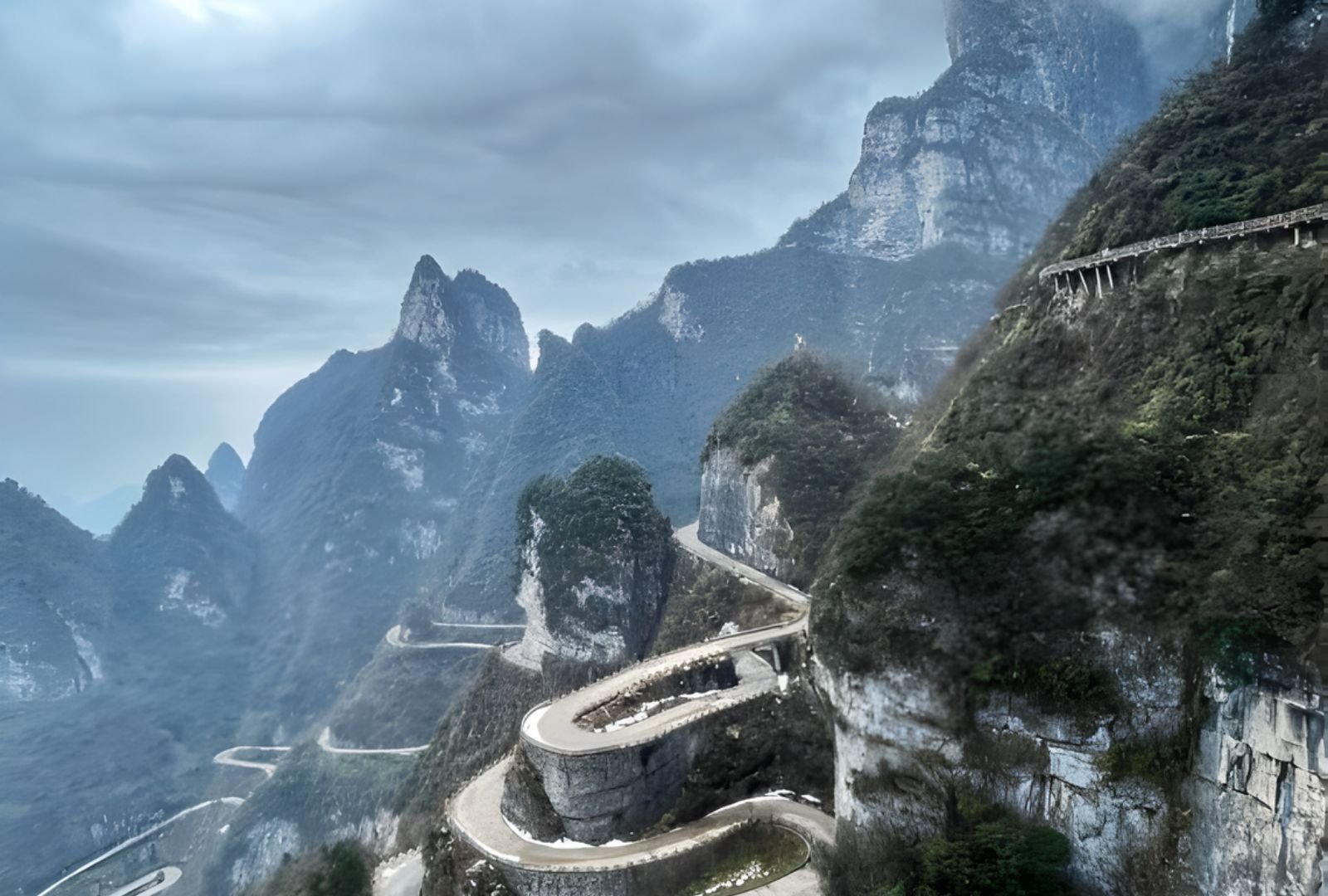
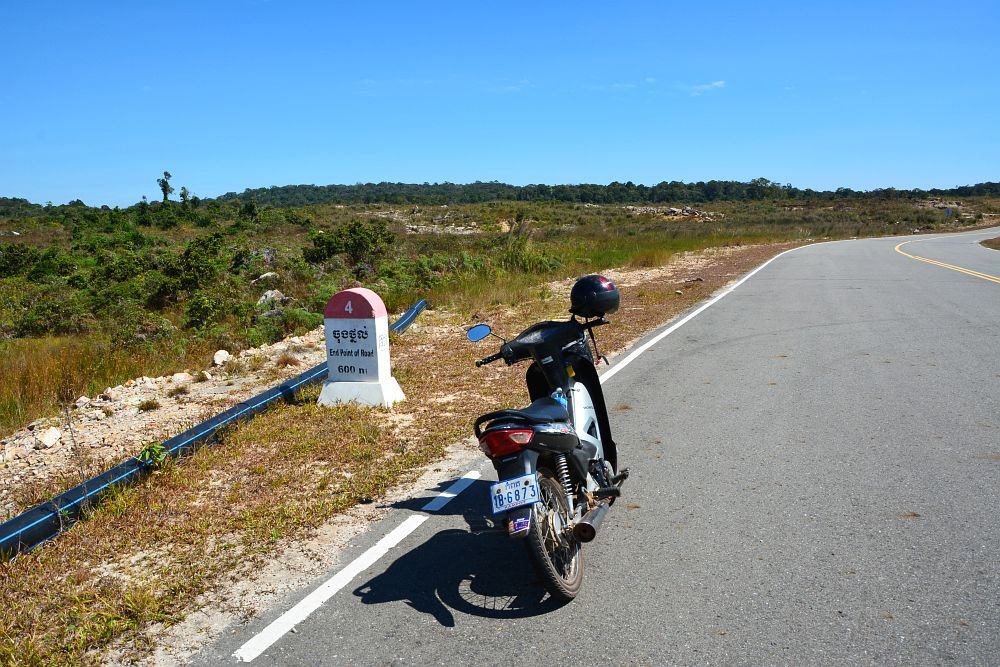
We hired a motorbike and drove the serpentine road from Kampot town toward Bokor Park. The journey takes about 1 hour, depending on how often you stop (and you will stop—the views are extraordinary).
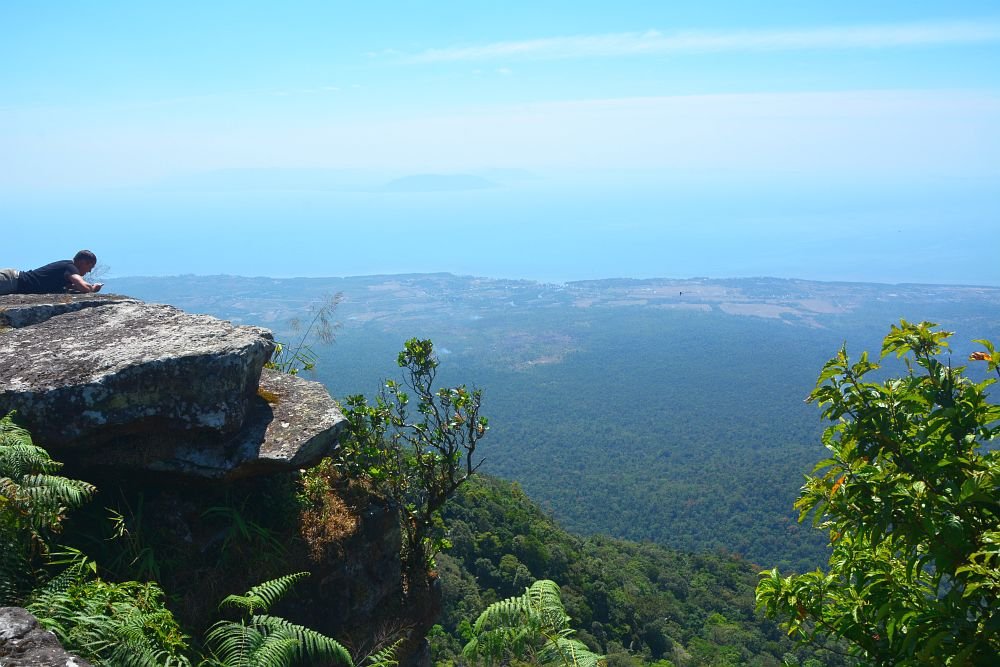
HIGHLIGHT: The road from Kampot into Preah Monivong Bokor National Park is a beautifully paved, 42 km ribbon of hairpin bends that climbs from the rice fields to over 1,000 metres. It takes about an hour, and on a clear day, the Vietnamese island of Phu Quoc.
You can rent a scooter and ride it yourself if you’re confident, or hire a tuk-tuk, taxi or join a group tour.
4. Explore the ghost town of Bokor Hill Station.
At the summit, roughly 1,000 meters above sea level, you’ll find the remains of Bokor Hill Station, built by the French in the 1920s as a cool-weather retreat from the oppressive coastal heat.
The centrepiece is the iconic Bokor Palace Hotel and Casino, a crumbling Art Deco masterpiece that looks like it’s been frozen in time.
There is a big legend around the cliff in the Bokor National Park, which is located near the old casino. The legend says that the biggest desperados, who lost their fortunes in the casino, lost their lives by jumping from the cliff.
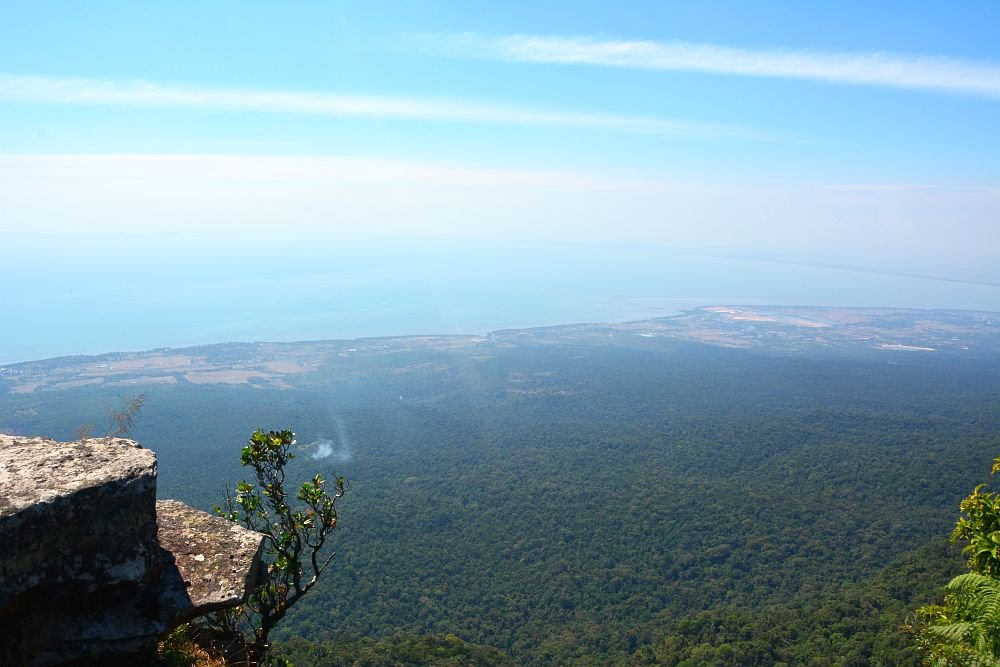
Wildlife and wilderness.
But Bokor isn’t just about abandoned buildings. This is a serious conservation area, home to incredible biodiversity.
The park harbors populations of Asian black bears, gibbons, slow lorises, civets, and even clouded leopards, though spotting these elusive creatures requires serious luck and patience. We were the only people visitin Bokor National Park, so I’m actually glad we didn’t bump into any of these animals 😉
What you will see, almost guaranteed, are the macaque monkeys that have made the ruins their playground.
The park is also a paradise for birdwatchers. The park is home to several species of hornbills. The cool climate supports different vegetation than the lowlands, creating unique habitats that attract species found nowhere else in the region.
Bokor National Park is one of the most stunning place sto see in Kampot in Cambodia, so don’t miss it.
When to visit Bokor National Park.
I recommend visiting Bokor in the early morning or late afternoon. Not only will you avoid the midday tourist buses, but the lighting at these times is magical—golden rays piercing through the mist, creating an almost ethereal atmosphere. The cool temperature is a welcome respite from Cambodia’s typical heat, so bring a light jacket. Yes, really—you might actually feel cold in Cambodia!
5. The World's Finest Pepper!
Before visiting Kampot, I thought pepper was just… pepper. How wrong I was. Kampot pepper is to regular pepper what champagne is to sparkling wine—it’s in a completely different league, and it has the Protected Geographical Indication (PGI) status to prove it.
Kampot pepper has a protected geographical indication, much like Champagne, and chefs around the world swear by it. Visiting a farm is one of the top things to do in Kampot, and you’ll never look at a pepper grinder the same way again.
Recommended tour: KAMPOT TRAVEL-Pepper farm. Cave.Secret lake-Crab market & Salt Fields.
or alternatively, Kampot Tour Pepper Plantation, Salt Field, Cave, Secret Lake.
What makes Kampot pepper so special? It’s a combination of the region’s unique soil, climate, and traditional growing methods passed down through generations.
The pepper vines grow slowly in the mineral-rich soil around Kampot, developing complex flavor profiles that range from floral and citrusy to intensely spicy, depending on the variety and processing method.
La Plantation and beyond.
La Plantation is probably the most famous pepper farm in the area, and for good reason. They offer excellent guided tours where you’ll learn everything about pepper cultivation, from the initial planting to the careful hand-harvesting and drying process.
Black pepper is harvested when the peppercorns are almost ripe and then sun-dried.
White pepper comes from fully ripe peppercorns that are soaked and hulled.
But the real treasure is the red pepper—fresh, ripe peppercorns with a unique, complex flavor that’s harder to find because the harvesting window is so brief.
The tour typically ends with a tasting session, and this is where you’ll have your pepper epiphany. The fresh green peppercorns burst on your tongue with a bright, crisp heat that’s completely different from dried pepper. The red pepper has an almost fruity complexity. And the black pepper—well, it makes everything you’ve had before taste like dust.
6. Salt fields in Kampot in Cambodia.
About 15 minutes outside Kampot city center are Cambodia’s largest salt fields, and they’re one of the most visually striking places I’ve encountered in Southeast Asia.
The salt production season runs from late December through May, during the dry season. This is when you’ll see the fields at their most active, with workers tending to the shallow evaporation ponds and harvesting the crystallized salt.
The process is entirely traditional—seawater is pumped into shallow ponds, where the intense sun evaporates the water, leaving behind pure salt crystals.
7. Visit Wat Sampov Pram and the Lok Yeay Mao statue.
Near the top of the mountain, Wat Sampov Pram (the Five Boats Pagoda) is named after the boat-shaped rocks around it. The views from its terrace over the jungle and the sea are some of the best on Bokor.
On the way up, you can’t miss the giant seated statue of Lok Yeay Mao, a revered local protector of travellers and fishermen. Many Cambodians stop here to pray for a safe journey; it’s polite to dress modestly and not climb on anything.
8. Cool off at Popokvil Waterfall.
Popokvil is a two-tiered waterfall on the Bokor plateau and a good place to stretch your legs after the drive. Be realistic about timing: in the dry season (roughly November to April) there may be only a trickle, while in the wet season it’s at its most impressive.
9. Sunset cruise in Kampot.
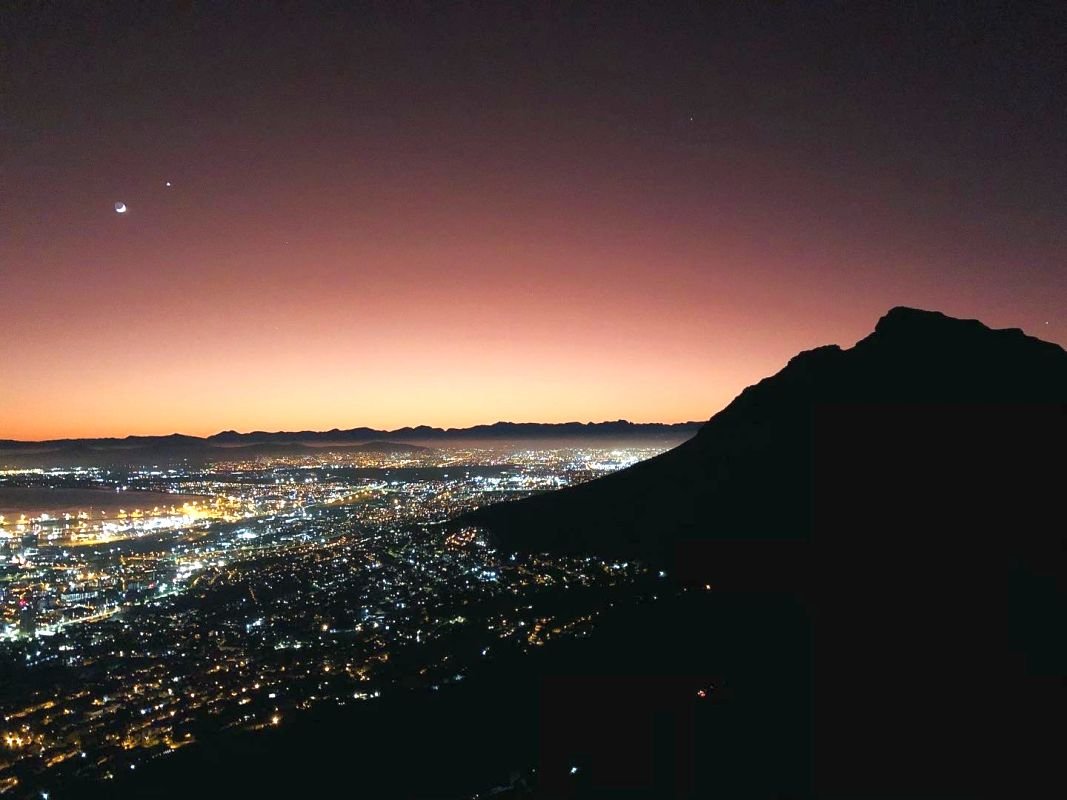
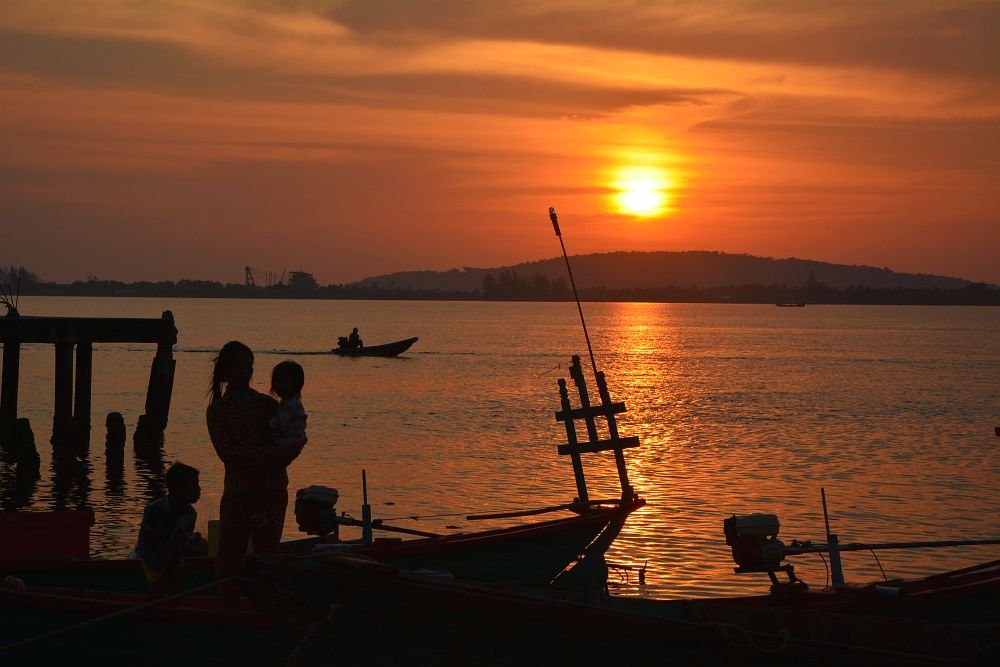
I can’t explain why, but one of the best things to see in Kampot in Cambodia are the sunsets – the time when the sun finally slips behind the Bokor range, painting the sky in layers of pink, orange, and purple. Everyone falls silent. The bats cover the sky. The water mirrors the sky.
Around 5:30 PM, small boats begin departing from near the old bridge, heading upriver into the countryside.
10. Kayak or paddleboard up the river.
There are several operators which run guided sunset kayak trips into the narrow, jungle-covered side channels known as the “green cathedrals”. It’s peaceful, cheap and one of my favourite ways to spend an adventurous day.
11. Chasing Fireflies in the Dark.
If you are lucky (I wasn’t), you can see this in Kampot, Cambodia. The real magic begins after sunset. As darkness settles, you might be lucky to see thousands upon thousands of blinking fireflies.
The fireflies are typically most active from around April through October. It depends on the season, the moon, and probably some firefly factors we don’t understand.
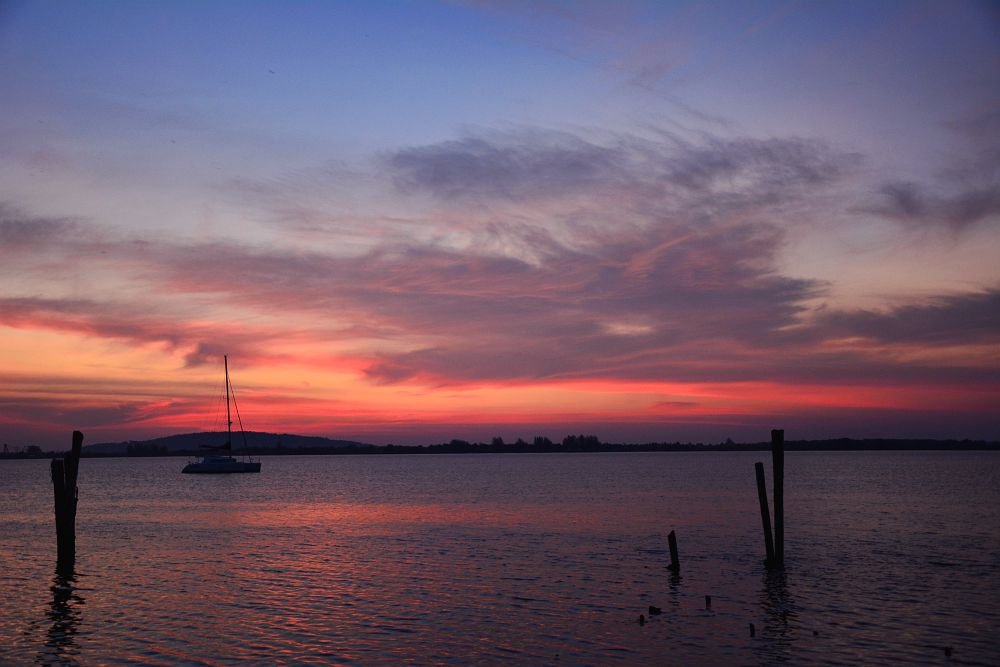
12. Watch the sunset from the Old Bridge.
The Old Bridge over the Kampot River has a long history, rebuilt several times after being damaged in Cambodia’s conflicts.
Today it’s a favourite sunset spot for locals and travellers, with Bokor Mountain on the horizon. Afterwards, stroll along the riverfront promenade and grab a cheap dinner and a cold drink.. it’s so cheap there..
13. Eat fresh crab at the Kep Crab Market.
Kep is a small seaside town about 30 minutes from Kampot, and its crab market is legendary. Fishermen pull bamboo crab baskets straight from the sea, and the restaurants behind the market cook them on the spot.
Order crab stir-fried with fresh green Kampot pepper, the region’s signature dish. It’s messy, cheap and absolutely delicious.
14. Visit Rabbit Island (Koh Tonsay).
From Kep, small boats cross to Rabbit Island in about 20–30 minutes.
There are no roads and no cars, just a sandy beach, coconut palms, hammocks and a few simple bungalows. It’s a perfect day trip, or stay overnight if you want to disconnect completely. Bring cash, because there are no ATMs.
15. Hike in Kep National Park.
It’s an easy few-hours walk with signposted paths. A perfect destination for someone who loves spending time in peaceful nature.
Hotels in Kampot.
Now is the best part – in Kampot, you’ll get one of the cheapest accommodations for a great value.
Here are a few top-rated options:
- Incredible Mabuhay Guest house Kampot offers family rooms with private bathrooms, air-conditioning, and garden or pool views, a balcony, terrace, and free WiFi.
- Sokchea Kampot Hotel in Kampot offers a swimming pool.
- Retro Kampot Guest House in Kampot offers rooms with balconies and parquet floors.
- Fabulous Hotel Old Cinema in Kampot offers air-conditioned rooms with private bathrooms.
- Orchid 101 in Kampot offers family rooms with private bathrooms for less than $25.
- And Lodge Moni Essara Kampot if you are looking for an extra luxury!
How to get from Phnom Penh to Kampot?
The easiest way to get from Phnom Penh to Kampot in Cambodia is taking a minivan, which takes 2h 30m and costs $8 – $10.
Alternatively, you can train, which costs $12 – $16 and takes almost 5 hours.
You can also book A private transfer from Phnom Penh to Kampot or Kep, you will travel in comfort with a professional driver and air-conditioned vehicle.
Getting around Kampot?
- Scooter or motorbike rental. The most popular option and the best way to explore the countryside and Bokor. Rentals are cheap. Wear a helmet, carry your driving licence and be careful on gravel roads.
- Tuk-tuk. Easy to find in town. Hire one for a half-day or full-day countryside tour and agree on the price first.
- Bicycle. Perfect for the flat roads to the salt fields and along the river.
- Organised tours. Bokor and countryside tours are cheap, include transport and are a good option if you don’t ride.
Note: This post may contain affiliate links, which are at absolutely no cost to you – I can earn a small commission on sales generated through this website and thanks to that I can share travel guides and inspirations that may help you reach your dream destinations and discover our unique world. I only recommend sites I actually use and have traveled to. Thank you for your support!